
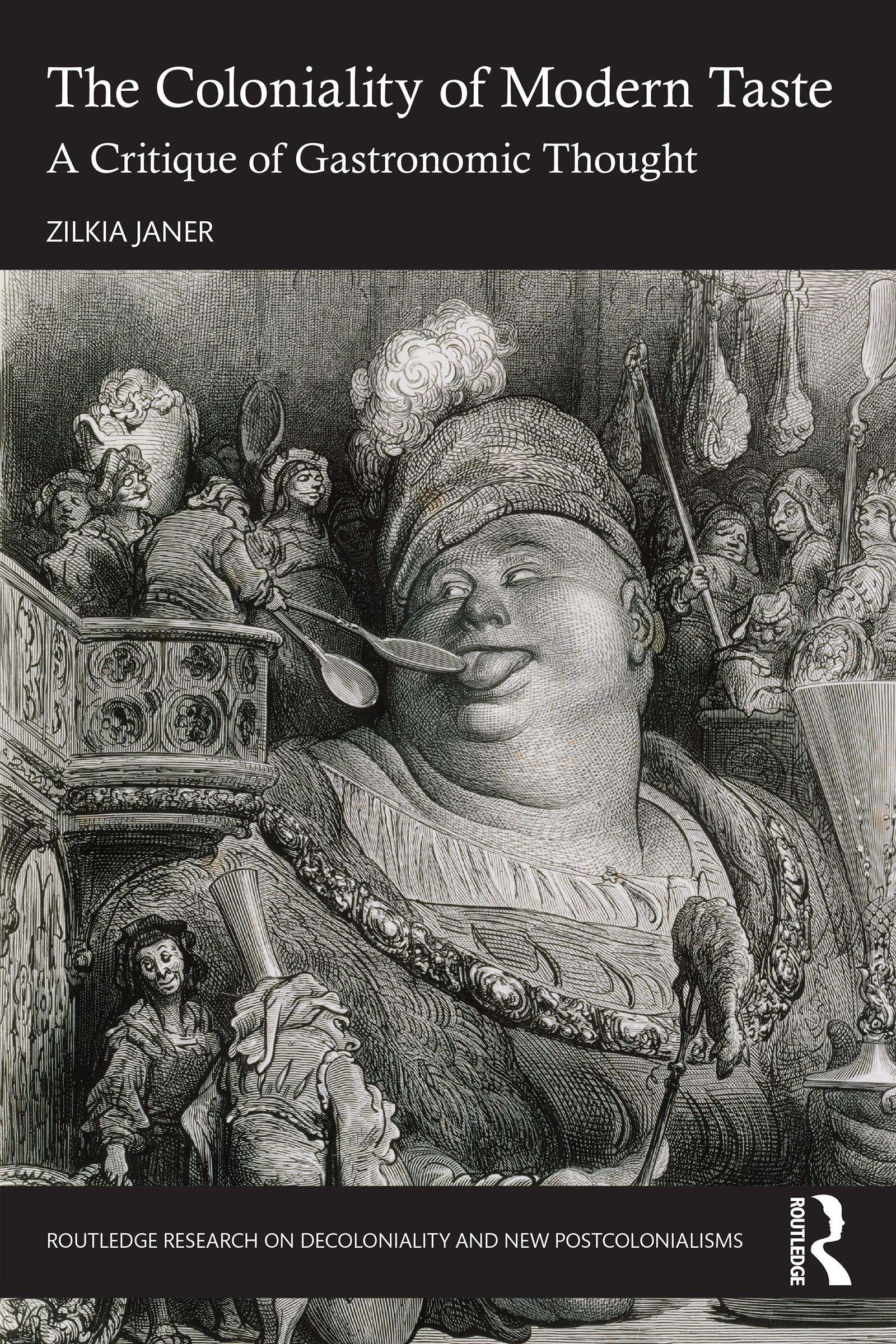
This book analyzes the coloniality of the concept of taste that gastronomy constructed and normalized as modern. It shows how gastronomy’s engagement with rationalist and aesthetic thought, and with colonial and capitalist structures, led to the desensualization, bureaucratization and racialization of its conceptualization of taste.
The Coloniality of Modern Taste provides an understanding of gastronomy that moves away from the usual celebratory approach. Through a discussion of nineteenth-century gastronomic publications, this book illustrates how the gastronomic notion of taste was shaped by a number of specifically modern constraints. It compares the gastronomic approach to taste to conceptualizations of taste that emerged in other geographical and philosophical contexts to illustrate that the gastronomic approach stands out as particularly bereft of affect. The book argues that the understanding of taste constructed by gastronomic texts continues to burden the affective experience of taste, while encouraging patterns of food consumption that rely on an exploitative and unsustainable global food system.
This book will appeal to students and scholars interested in cultural studies, decoloniality, affect theory, sensory studies, gastronomy and food studies.
Zahle einfach mit Karte, Klarna, Apple Pay oder Google Pay. Nicht zufrieden? Du hast immer ein 14-tägiges Widerrufsrecht. Lies mehr in unseren AGB. Hast du Fragen, schreib uns eine E-Mail an hello@memmo.org.
Memmo macht das Lernen einfacher – wo auch immer du bist. Bei uns findest du deine Kursbücher und smarte Lerntools an einem Ort: Zusammenfassungen, Quizzes, Podcasts und Lernkarten. Und Ted, dein Lernbuddy, beantwortet alles, was du wissen möchtest. Über 50.000 Studierende lernen bereits hier – gemacht, damit du schneller lernst und weniger Stress hast.