
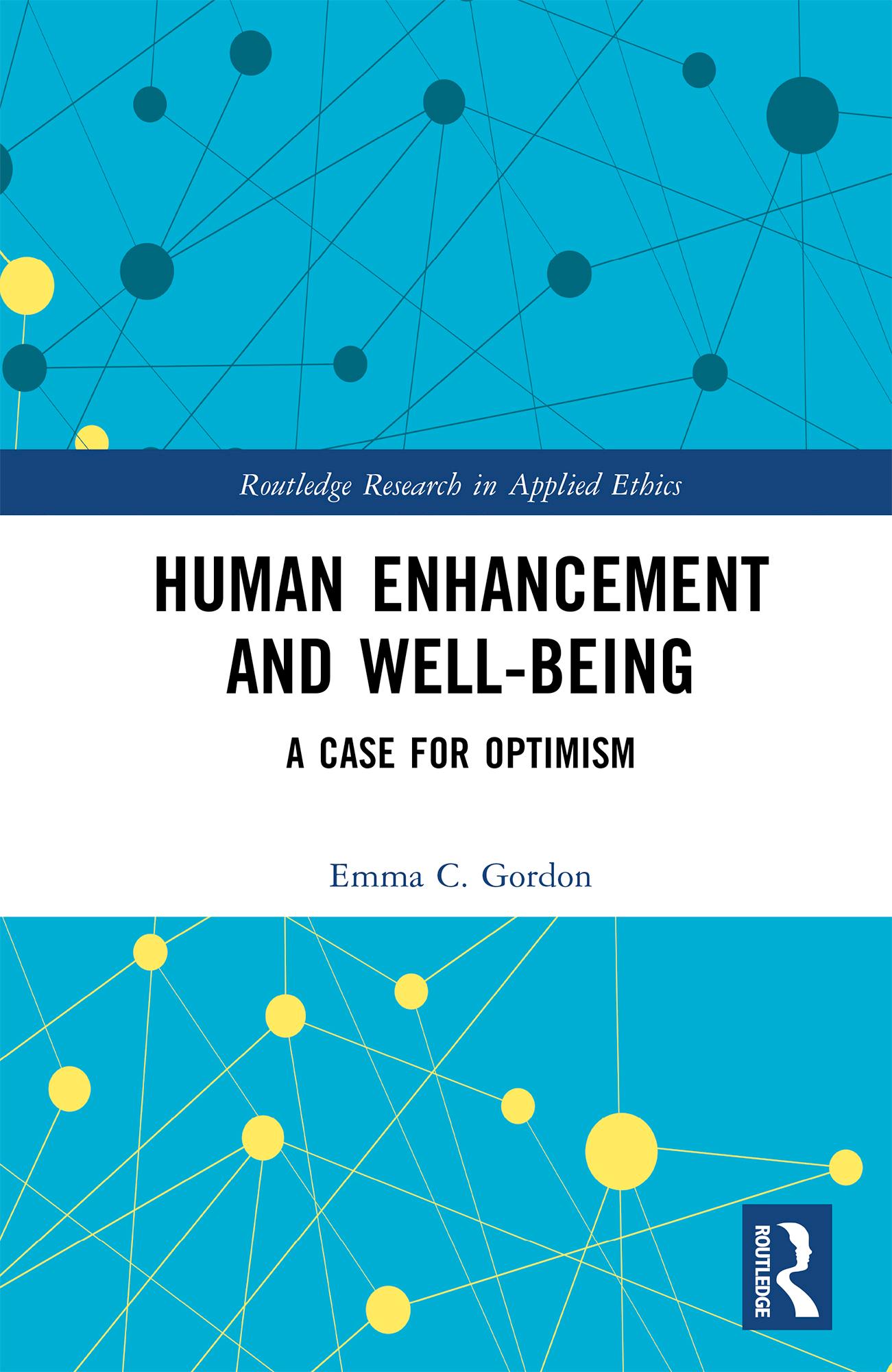
New technologies and medicines make it increasingly possible to enhance human functioning in new ways: to become smarter, more emotionally attuned, and perhaps even morally better. But just because we can use the latest science to improve ourselves, should we?
This book has two main aims. First, it outlines and criticises the six main contemporary arguments for scepticism about the role of human enhancements in promoting well-being. These arguments concern, respectively, (i) the value of achievements, (ii) freedom, (iii) hyperagency, (iv) human nature, (v) authenticity, and (vi) inequality. It will be shown – for the first time in a book-length treatment – why the overarching bioconservative case against enhancement doesn’t hold water. The second central aim of the book is positive; as we’ll see, each of the bioconservative critiques considered and rejected will be shown to nonetheless motivate a distinctive kind of theoretical desideratum that a viable positive enhancement proposal should satisfy. The remainder of the book then defends a two-part enhancement proposal that will be shown to clearly satisfy the theoretical desiderata that emerged from reflecting on the earlier critique of bioconservativism. The first part of the positive proposal motivates and outlines the general role of an enhancement counsellor in facilitating voluntary enhancement; I then offer an applied case study of this role in the special case of enhancement for the purpose of facilitating romantic and parental relationships.
Human Enhancement and Well-Being: A Case for Optimism will be of interest to scholars and advanced students working in applied ethics, bioethics, philosophy of technology, philosophy of well-being, and social epistemology.
Zahle einfach mit Karte, Klarna, Apple Pay oder Google Pay. Nicht zufrieden? Du hast immer ein 14-tägiges Widerrufsrecht. Lies mehr in unseren AGB. Hast du Fragen, schreib uns eine E-Mail an hello@memmo.org.
Memmo macht das Lernen einfacher – wo auch immer du bist. Bei uns findest du deine Kursbücher und smarte Lerntools an einem Ort: Zusammenfassungen, Quizzes, Podcasts und Lernkarten. Und Ted, dein Lernbuddy, beantwortet alles, was du wissen möchtest. Über 50.000 Studierende lernen bereits hier – gemacht, damit du schneller lernst und weniger Stress hast.