
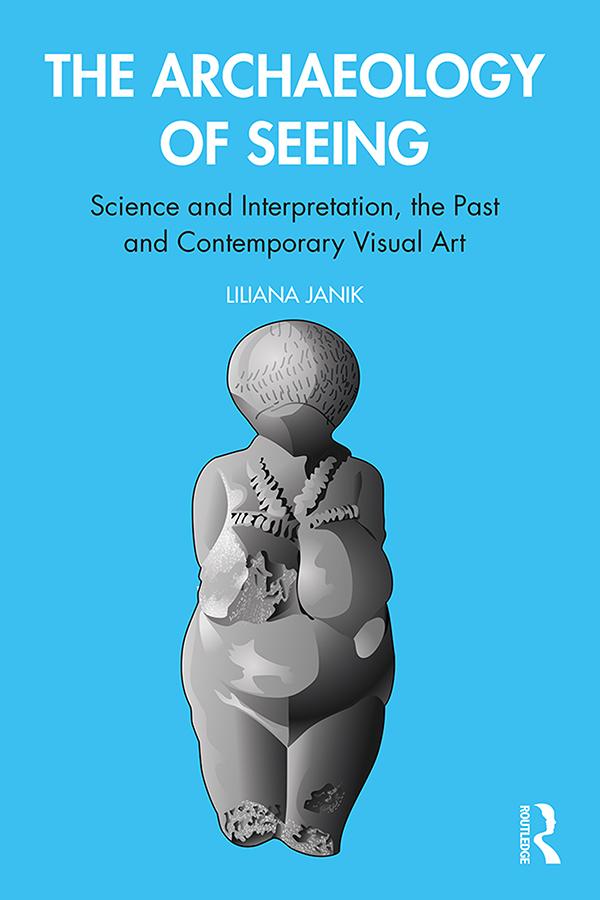
The Archaeology of Seeing provides readers with a new and provocative understanding of material culture through exploring visual narratives captured in cave and rock art, sculpture, paintings, and more.
The engaging argument draws on current thinking in archaeology, on how we can interpret the behaviour of people in the past through their use of material culture, and how this affects our understanding of how we create and see art in the present. Exploring themes of gender, identity, and story-telling in visual material culture, this book forces a radical reassessment of how the ability to see makes us and our ancestors human; as such, it will interest lovers of both art and archaeology.
Illustrated with examples from around the world, from the earliest art from hundreds of thousands of years ago, to the contemporary art scene, including street art and advertising, Janik cogently argues that the human capacity for art, which we share with our most ancient ancestors and cousins, is rooted in our common neurophysiology. The ways in which our brains allow us to see is a common heritage that shapes the creative process; what changes, according to time and place, are the cultural contexts in which art is produced and consumed. The book argues for an innovative understanding of art through the interplay between the way the human brain works and the culturally specific creation and interpretation of meaning, making an important contribution to the debate on art/archaeology.
Zahle einfach mit Karte, Klarna, Apple Pay oder Google Pay. Nicht zufrieden? Du hast immer ein 14-tägiges Widerrufsrecht. Lies mehr in unseren AGB. Hast du Fragen, schreib uns eine E-Mail an hello@memmo.org.
Memmo macht das Lernen einfacher – wo auch immer du bist. Bei uns findest du deine Kursbücher und smarte Lerntools an einem Ort: Zusammenfassungen, Quizzes, Podcasts und Lernkarten. Und Ted, dein Lernbuddy, beantwortet alles, was du wissen möchtest. Über 50.000 Studierende lernen bereits hier – gemacht, damit du schneller lernst und weniger Stress hast.