
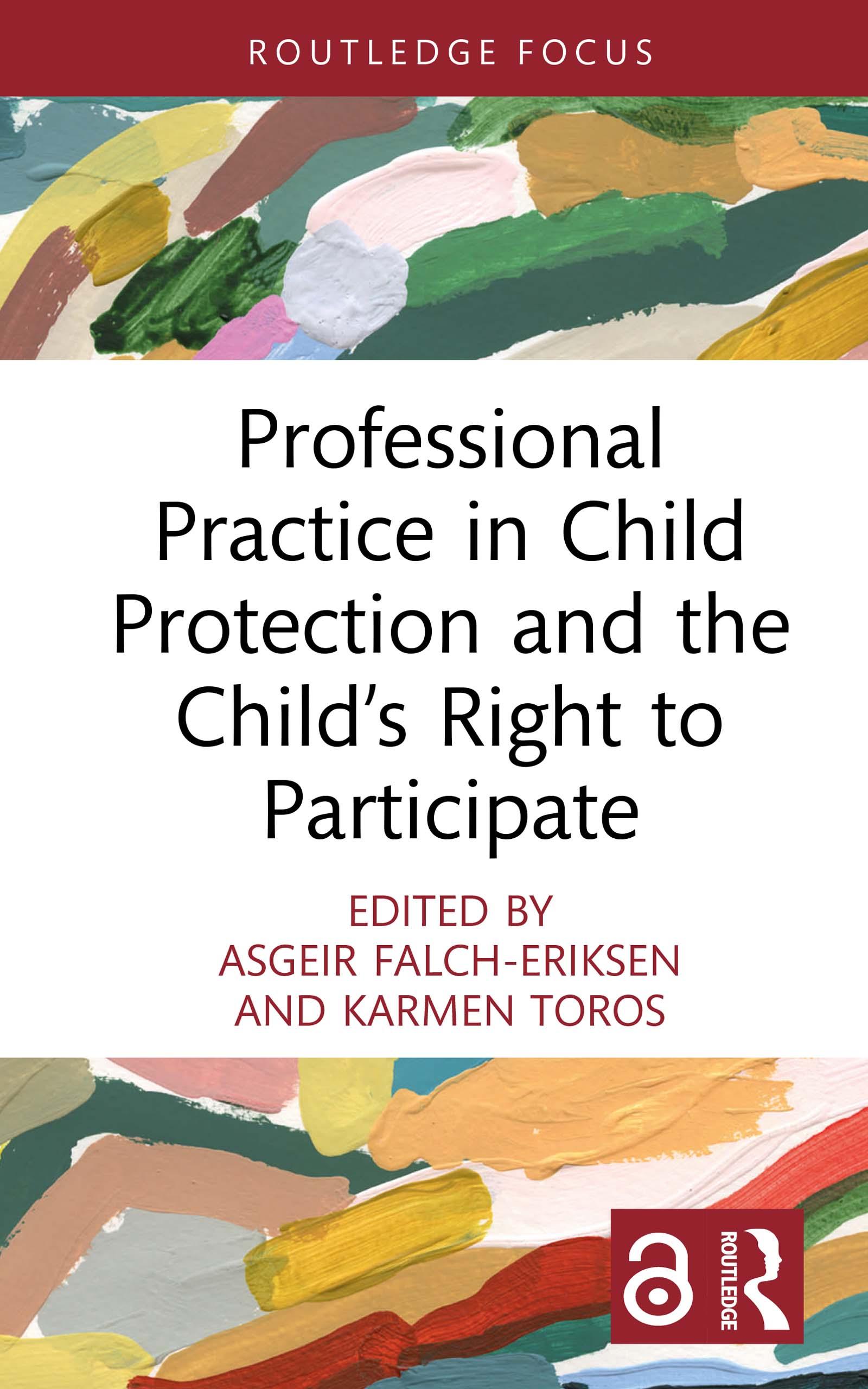
This book explains and discusses how a child’s right to freedom of expression is upheld through practice and decision-making in Child Protection Services (CPS).
Using the right to expression as stipulated in Article 12.2 of the United Nations Convention on the Rights of the Child (CRC) as a point of departure, it explains what CPS practices should look like and how they must operate to uphold and enforce the rights of the child by providing "the opportunity to be heard" in any administrative practice. Current research literature documents extensively, and across countries, how either the voice of the child is not heard or, alternatively, the existence of a pro forma/tokenistic approach to listening to the child throughout CPS practices. Taking a three-fold approach, this book
- establishes a clearer connection between rights and professional practice according to Article 12
- extrapolates how rights-based practice is achieved during CPS practices
- provides a comprehensive answer to the challenge of implementing Article 12.2 through policy and legislation.
It will be of interest to all students, academic and professionals working within child protection including social workers, probation officers, health and social care workers, lawyers and teachers.
The Open Access version of this book, available at www.taylorfrancis.com, has been made available under a Creative Commons Attribution-Non Commercial-No Derivatives 4.0 license.
Zahle einfach mit Karte, Klarna, Apple Pay oder Google Pay. Nicht zufrieden? Du hast immer ein 14-tägiges Widerrufsrecht. Lies mehr in unseren AGB. Hast du Fragen, schreib uns eine E-Mail an hello@memmo.org.
Memmo macht das Lernen einfacher – wo auch immer du bist. Bei uns findest du deine Kursbücher und smarte Lerntools an einem Ort: Zusammenfassungen, Quizzes, Podcasts und Lernkarten. Und Ted, dein Lernbuddy, beantwortet alles, was du wissen möchtest. Über 50.000 Studierende lernen bereits hier – gemacht, damit du schneller lernst und weniger Stress hast.