
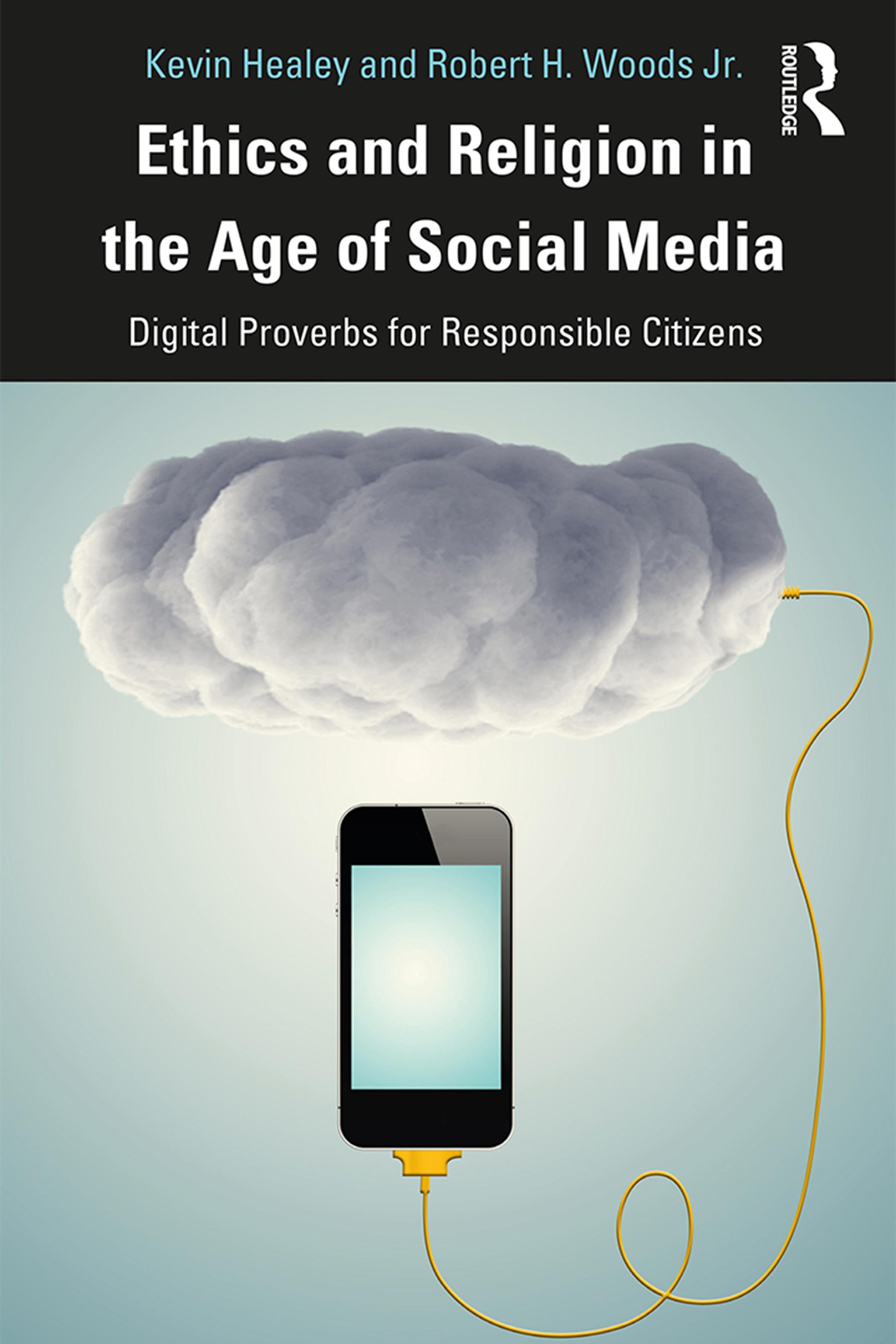
Arguing that popular digital platforms promote misguided assumptions about ethics and technology, this book lays out a new perspective on the relation between technological capacities and human virtue.
The authors criticize the “digital catechism” of technological idolatry arising from the insular, elite culture of Silicon Valley. In order to develop digital platforms that promote human freedom and socio-economic equality, they outline a set of five “proverbs” for living responsibly in the digital world: (1) information is not wisdom; (2) transparency is not authenticity; (3) convergence is not integrity; (4) processing is not judgment; and (5) storage is not memory. Each chapter ends with a simple exercise to help users break through the habitual modes of thinking that our favorite digital applications promote. Drawing from technical and policy experts, it offers corrective strategies to address the structural and ideological biases of current platform architectures, algorithms, user policies, and advertising models.
This book will appeal to scholars and graduate and advanced undergraduate students investigating the intersections of media, religion, and ethics, as well as journalists and professionals in the digital and technological space.
Zahle einfach mit Karte, Klarna, Apple Pay oder Google Pay. Nicht zufrieden? Du hast immer ein 14-tägiges Widerrufsrecht. Lies mehr in unseren AGB. Hast du Fragen, schreib uns eine E-Mail an hello@memmo.org.
Memmo macht das Lernen einfacher – wo auch immer du bist. Bei uns findest du deine Kursbücher und smarte Lerntools an einem Ort: Zusammenfassungen, Quizzes, Podcasts und Lernkarten. Und Ted, dein Lernbuddy, beantwortet alles, was du wissen möchtest. Über 50.000 Studierende lernen bereits hier – gemacht, damit du schneller lernst und weniger Stress hast.