
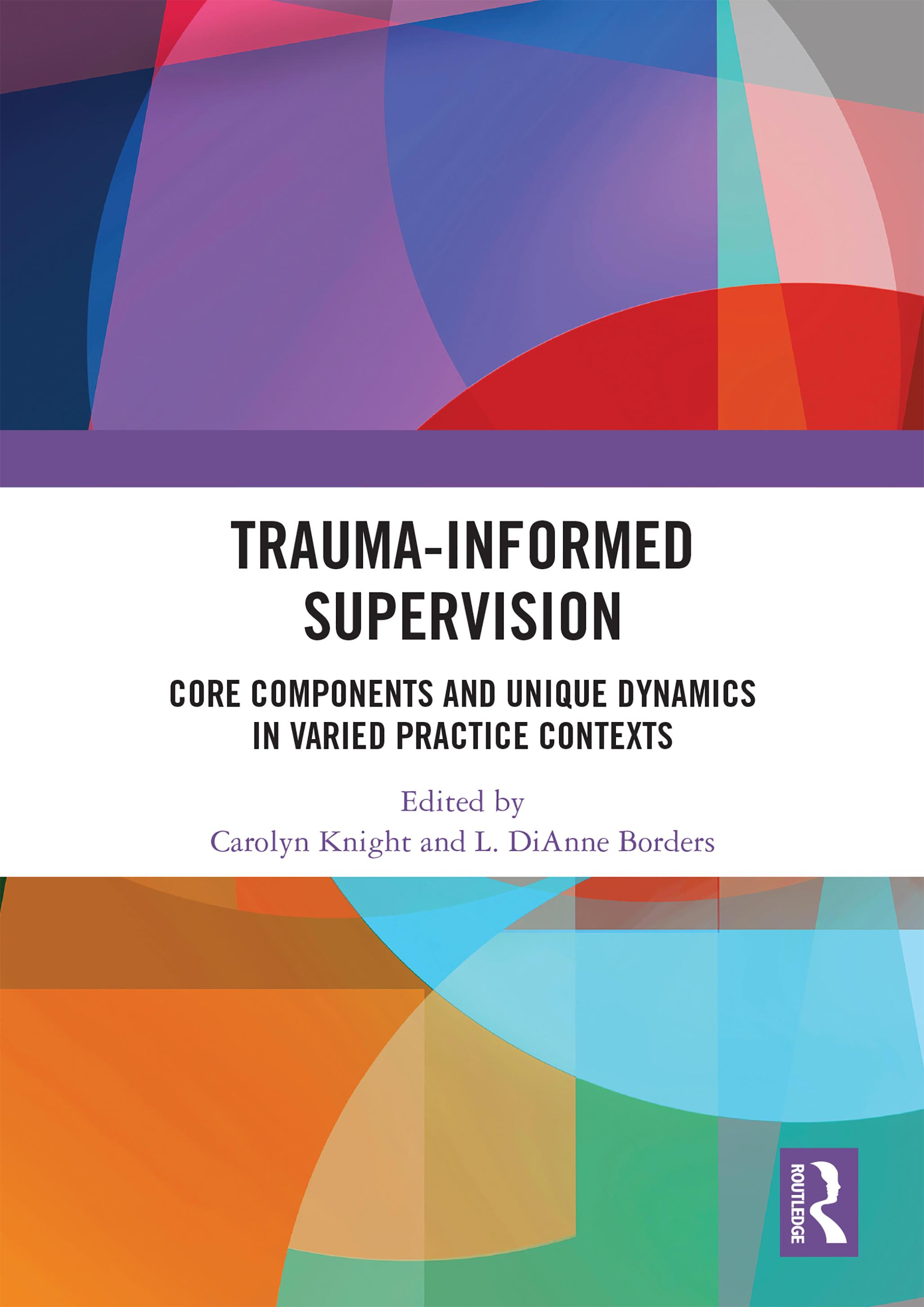
Survivors of trauma are disproportionately represented in agencies providing a broad range of behavioral, social, and mental health services. Practitioners in these settings must understand and be able to respond to survivors of trauma in ways that are empowering, normalize and validate their experiences and reactions, and minimize the risk of retraumatization. Practitioners also will be indirectly traumatized as a result of their work with trauma survivors.
Practitioners’ ability to help clients with histories of trauma depends upon clinical supervision that is trauma-informed. The trauma-informed supervisor has the dual responsibility of enhancing supervisees’ skills as trauma-informed practitioners and helping them manage the impact their work has on them.
Nevertheless, many clinical supervisors only have limited knowledge and training in trauma and may not recognize either the needs of those whom they supervise or the clients their supervisees serve. This book compiles important recommendations from trauma-informed practitioners, supervisors, and researchers who share their professional reflections and personal stories based on their hands-on experiences across mental health and medical contexts.
This book was originally published as a special issue of The Clinical Supervisor.
Zahle einfach mit Karte, Klarna, Apple Pay oder Google Pay. Nicht zufrieden? Du hast immer ein 14-tägiges Widerrufsrecht. Lies mehr in unseren AGB. Hast du Fragen, schreib uns eine E-Mail an hello@memmo.org.
Memmo macht das Lernen einfacher – wo auch immer du bist. Bei uns findest du deine Kursbücher und smarte Lerntools an einem Ort: Zusammenfassungen, Quizzes, Podcasts und Lernkarten. Und Ted, dein Lernbuddy, beantwortet alles, was du wissen möchtest. Über 50.000 Studierende lernen bereits hier – gemacht, damit du schneller lernst und weniger Stress hast.