
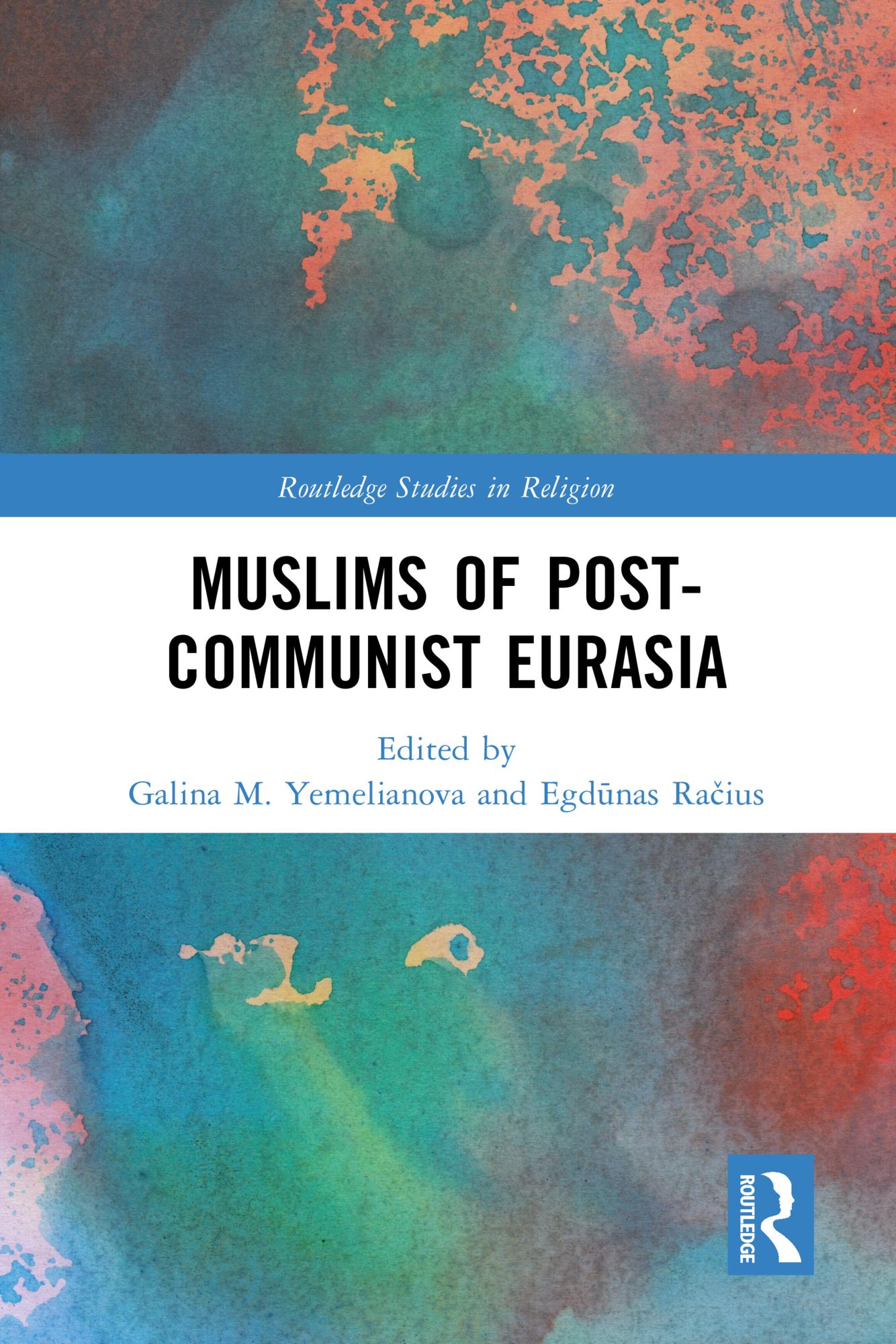
This book discusses the evolution of state governance of Islam and the nature and forms of local Muslims’ rediscovery of their ‘Muslimness’ across post-communist Eurasia. It examines the effects on the Islamic scene of the political and ideological divergence of Central and South-Eastern Europe from Russia and most of the Caucasus and Central Asia. Of particular interest are the implications of the proliferation of new, ‘global’ interpretations of Islam and their relationship with existing ‘traditional’ Islamic beliefs and practices. The contributions in this book address these issues through an interdisciplinary prism combining history, religious studies/theology, social anthropology, sociology, ethnology and political science. They analyse the greater public presence of Islam in constitutionally secular contexts and offer a critique of the domestication and accommodation of Islam in Europe, comparing these to what has happened in the international Eurasian space. The discussion is informed by the works of such thinkers as Talal Asad, Bryan Turner, Veit Bader, Marcel Maussen and Bassam Tibi, and utilises primary and secondary sources and ethnographic observation. Looking at how collectivities and individuals are defining what it means to be Muslim in a globalised Islamic context, this book will be of great interest to scholars of Religious Studies, Islamic Studies, Political Science, Sociology and Anthropology.
Zahle einfach mit Karte, Klarna, Apple Pay oder Google Pay. Nicht zufrieden? Du hast immer ein 14-tägiges Widerrufsrecht. Lies mehr in unseren AGB. Hast du Fragen, schreib uns eine E-Mail an hello@memmo.org.
Memmo macht das Lernen einfacher – wo auch immer du bist. Bei uns findest du deine Kursbücher und smarte Lerntools an einem Ort: Zusammenfassungen, Quizzes, Podcasts und Lernkarten. Und Ted, dein Lernbuddy, beantwortet alles, was du wissen möchtest. Über 50.000 Studierende lernen bereits hier – gemacht, damit du schneller lernst und weniger Stress hast.