
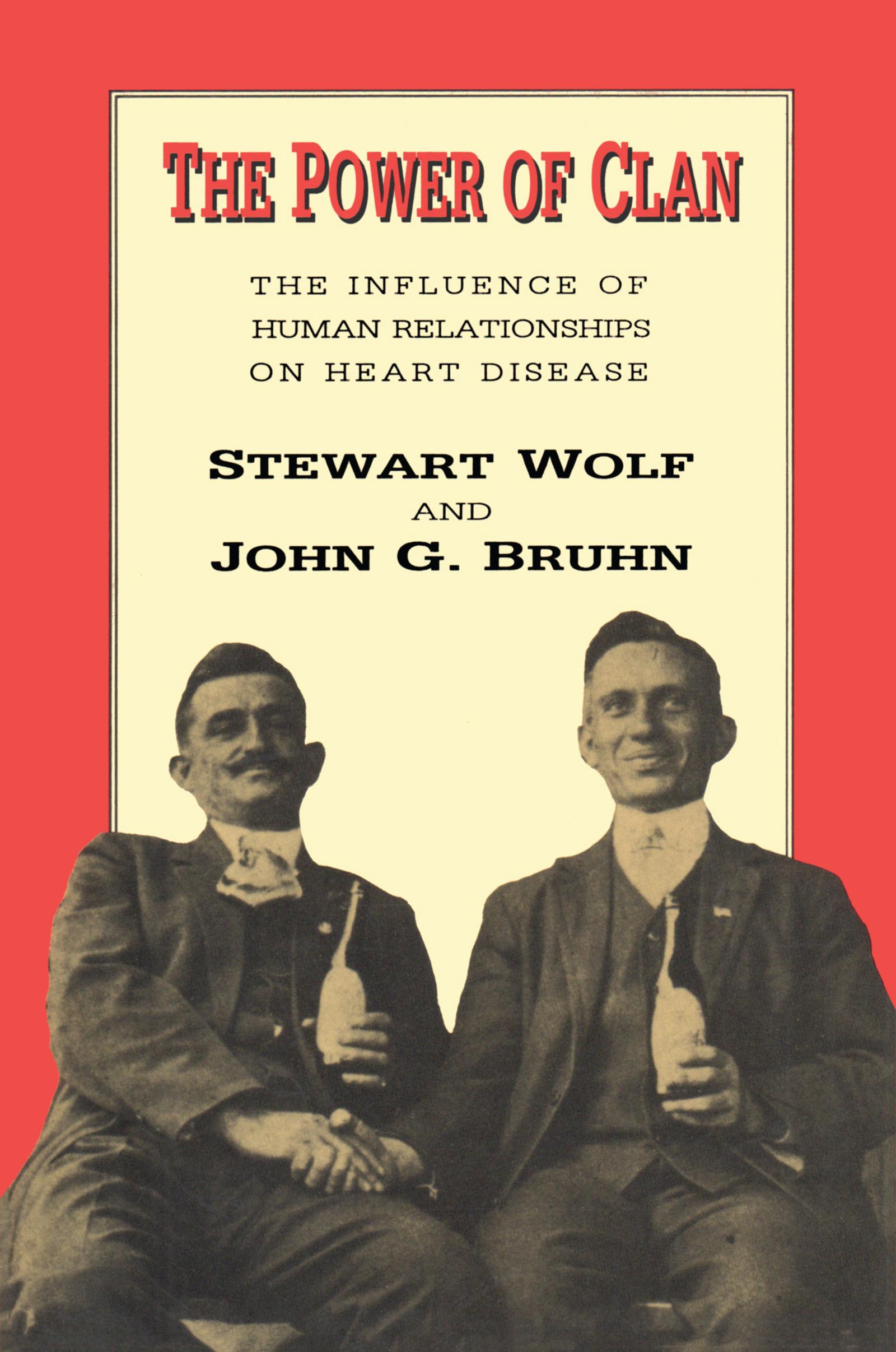
Medical sociologists have long recognized the importance of community and family structure in the health of individuals. However, the past quarter century in America has seen an increasing emphasis on individualism and materialism that has effectively diminished the cohesiveness and emotional support provided by these basic social units. The Power of Clan examines the health effects of social change in a largely Italian-American town over a twenty-five-year period and provides substantial evidence of the protective effect of family bonds and shared social values against coronary heart disease and sudden death.
The unique feature of the Roseto, Pennsylvania community was its remarkably low death rate from heart attacks, this in spite of the fact that such risk factors as smoking, lack of exercise, high fat and cholesterol diet were found to be just as prevalent in Roseto as in four nearby control towns. Roseto's traditional, family-oriented social structure, however, differed vastly from that of neighboring towns where materialistic values were predominant and where the individual, rather than the family, was considered to be the unit of society.
At the beginning of their study in the early 1960s, the authors noted indications of imminent social change toward a more Americanized system of values and behavior. Interviews with younger inhabitants revealed much respect for old-world traditions but not as much enthusiasm for living by them. The study's prediction that the abandonment of selfless, communal standards would undermine Rosetans relative immunity to heart disease was borne out as death rates from heart attack climbed to levels comparable to those of the control towns by 1975. The Power of Clan is the product of twenty-five years of continuous observation. The findings of its original study have been carefully examined and its predictions largely confirmed. It is a landmark volume in the longitudinal study of health in an advanced industrial society. It also constitutes a large step forward in the cooperation of medical and sociological researchers.
Zahle einfach mit Karte, Klarna, Apple Pay oder Google Pay. Nicht zufrieden? Du hast immer ein 14-tägiges Widerrufsrecht. Lies mehr in unseren AGB. Hast du Fragen, schreib uns eine E-Mail an hello@memmo.org.
Memmo macht das Lernen einfacher – wo auch immer du bist. Bei uns findest du deine Kursbücher und smarte Lerntools an einem Ort: Zusammenfassungen, Quizzes, Podcasts und Lernkarten. Und Ted, dein Lernbuddy, beantwortet alles, was du wissen möchtest. Über 50.000 Studierende lernen bereits hier – gemacht, damit du schneller lernst und weniger Stress hast.