
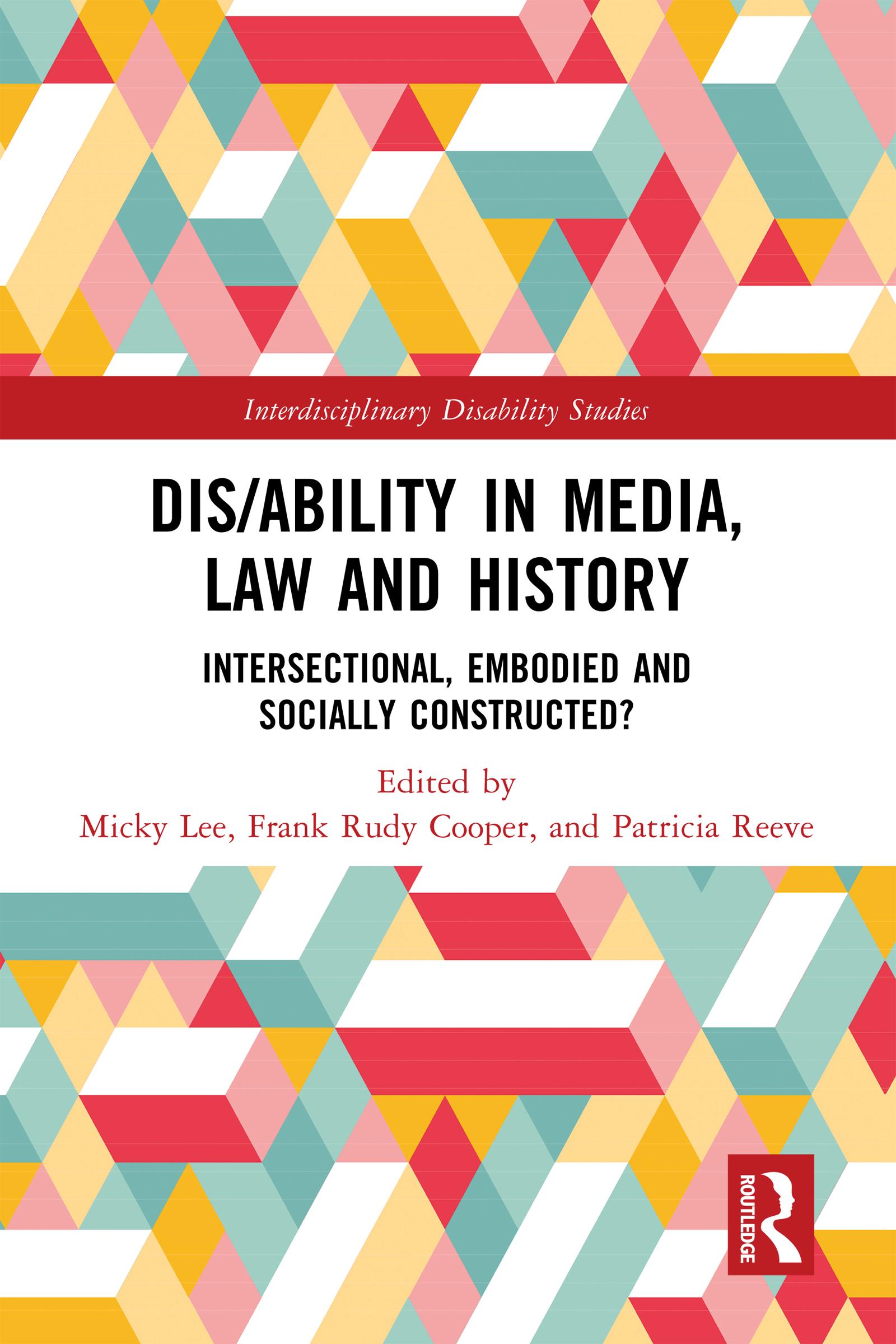
This book explores how being "disabled" originates in the physical world, social representations and rules, and historical power relations—the interplay of which render bodies "normal" or not.
Do parking signs that represent people in wheelchairs as self-propelling influence how we view dis/ability? How do wheelchair users understand their own bodies and an environment not built for them? By asking questions like these the authors reveal how normalization has informed people’s experiences of their bodies and their fight for substantive equality. Understanding these processes requires acknowledging the tension between social construction and embodiment as well as centering the intersection of dis/abilities with other identities, such as race, class, gender, sex orientation, citizen status, and so on.
Scholars and researchers will find that this book provides new avenues for thinking about dis/ability. A wider audience will find it accessible and informative.
Zahle einfach mit Karte, Klarna, Apple Pay oder Google Pay. Nicht zufrieden? Du hast immer ein 14-tägiges Widerrufsrecht. Lies mehr in unseren AGB. Hast du Fragen, schreib uns eine E-Mail an hello@memmo.org.
Memmo macht das Lernen einfacher – wo auch immer du bist. Bei uns findest du deine Kursbücher und smarte Lerntools an einem Ort: Zusammenfassungen, Quizzes, Podcasts und Lernkarten. Und Ted, dein Lernbuddy, beantwortet alles, was du wissen möchtest. Über 50.000 Studierende lernen bereits hier – gemacht, damit du schneller lernst und weniger Stress hast.