
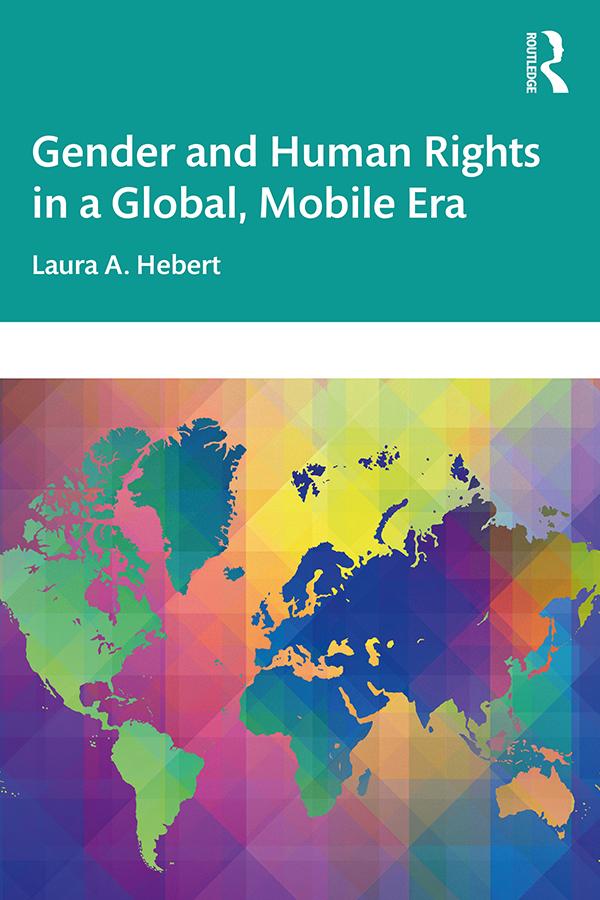
Gender and Human Rights in a Global, Mobile Era delves into feminist debates surrounding the relationship between gender and human rights through engaging feminist perspectives on the multifaceted issue of human trafficking.
Building on analyses of domestic servitude, commercial sex, and labor trafficking by military contractors, and grounded in intersectional feminist cosmopolitanism and feminist theorizing on vulnerability, precarity, and ethical interdependence, Laura Hebert makes several interrelated contributions. As she explores how a feminist gender analysis illuminates the structures and norms enabling trafficking, Hebert simultaneously considers the future of feminist rights advocacy. Emphasizing the sociality of human rights, she encourages feminist scholars and activists to look beyond states as the duty-bearers of human rights and the assumption that human rights are made meaningful mainly through the establishment of legal rights at the national level. She challenges the idea that "feminism" can be reduced to advocacy on behalf of women’s rights. She also encourages critical reflection on how divisions associated with feminist politics have impeded opportunities for the building of feminist solidarities across differences aimed at the realization of the human rights of all.
Strongly interdisciplinary, Gender and Human Rights in a Global, Mobile Era will be of interest to students and scholars throughout the social sciences and humanities.
Zahle einfach mit Karte, Klarna, Apple Pay oder Google Pay. Nicht zufrieden? Du hast immer ein 14-tägiges Widerrufsrecht. Lies mehr in unseren AGB. Hast du Fragen, schreib uns eine E-Mail an hello@memmo.org.
Memmo macht das Lernen einfacher – wo auch immer du bist. Bei uns findest du deine Kursbücher und smarte Lerntools an einem Ort: Zusammenfassungen, Quizzes, Podcasts und Lernkarten. Und Ted, dein Lernbuddy, beantwortet alles, was du wissen möchtest. Über 50.000 Studierende lernen bereits hier – gemacht, damit du schneller lernst und weniger Stress hast.