
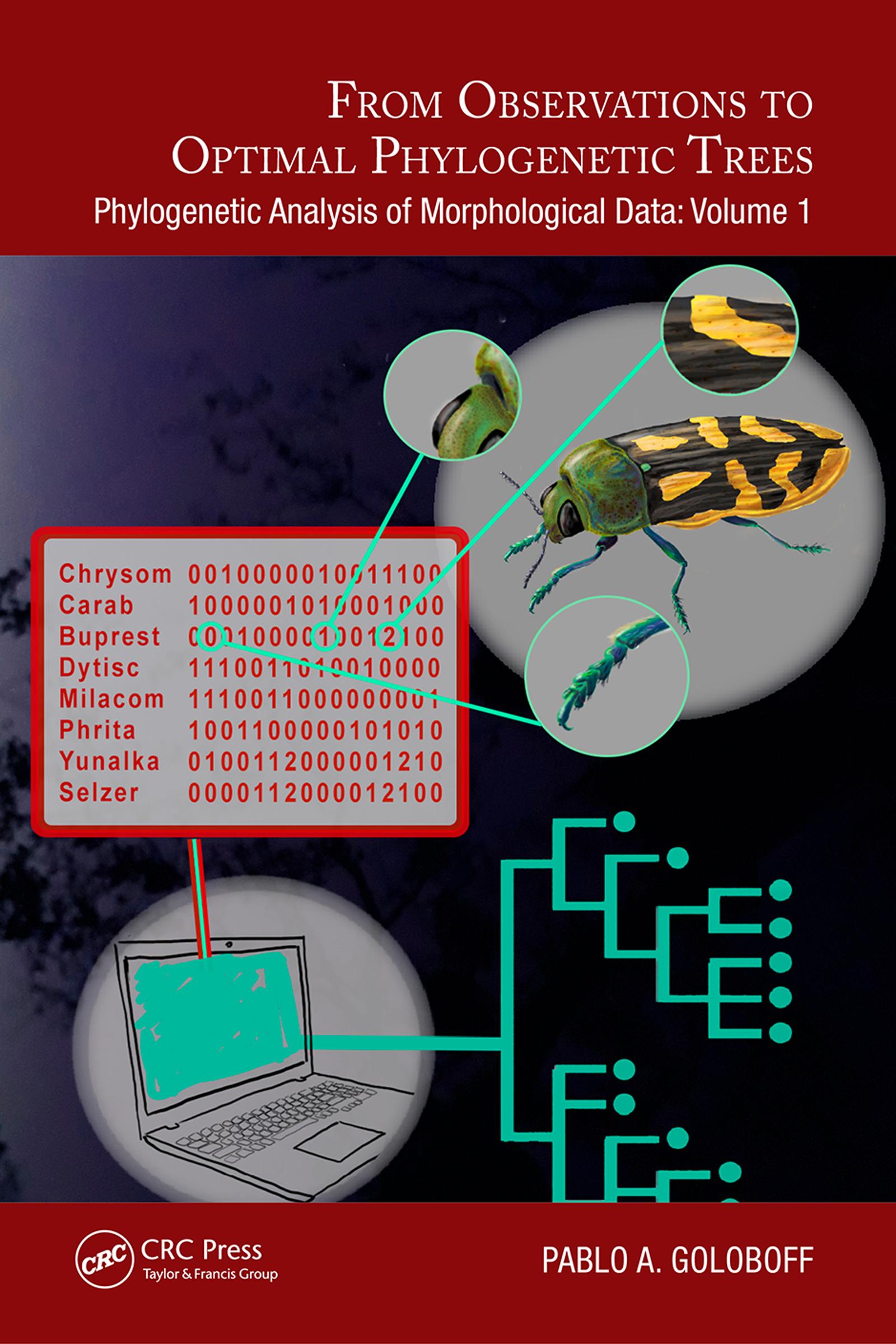
Taxonomists specializing in different groups once based phylogenetic analysis only on morphological data; molecular data was used more rarely. Although molecular systematics is routine today, the use of morphological data continues to be important, especially for phylogenetic placement of many taxa known only from fossils and rare or difficult to collect species. In addition, morphological analyses help identify potential biases in molecular analyses. And finally, scenarios with respect to morphology continue to motivate biologists: the beauty of a cheetah or a baobab does not lie in their DNA sequence, but instead on what they are and do! This book is an up-to-date revision of methods and principles of phylogenetic analysis of morphological data. It is also a general guide for using the computer program TNT in the analysis of such data. The book covers the main aspects of phylogenetic analysis and general methods to compare classifications derived from molecules and morphology. The basic aspects of molecular analysis are covered only as needed to highlight the differences with methods and assumptions for analysis of morphological datasets.
Zahle einfach mit Karte, Klarna, Apple Pay oder Google Pay. Nicht zufrieden? Du hast immer ein 14-tägiges Widerrufsrecht. Lies mehr in unseren AGB. Hast du Fragen, schreib uns eine E-Mail an hello@memmo.org.
Memmo macht das Lernen einfacher – wo auch immer du bist. Bei uns findest du deine Kursbücher und smarte Lerntools an einem Ort: Zusammenfassungen, Quizzes, Podcasts und Lernkarten. Und Ted, dein Lernbuddy, beantwortet alles, was du wissen möchtest. Über 50.000 Studierende lernen bereits hier – gemacht, damit du schneller lernst und weniger Stress hast.