
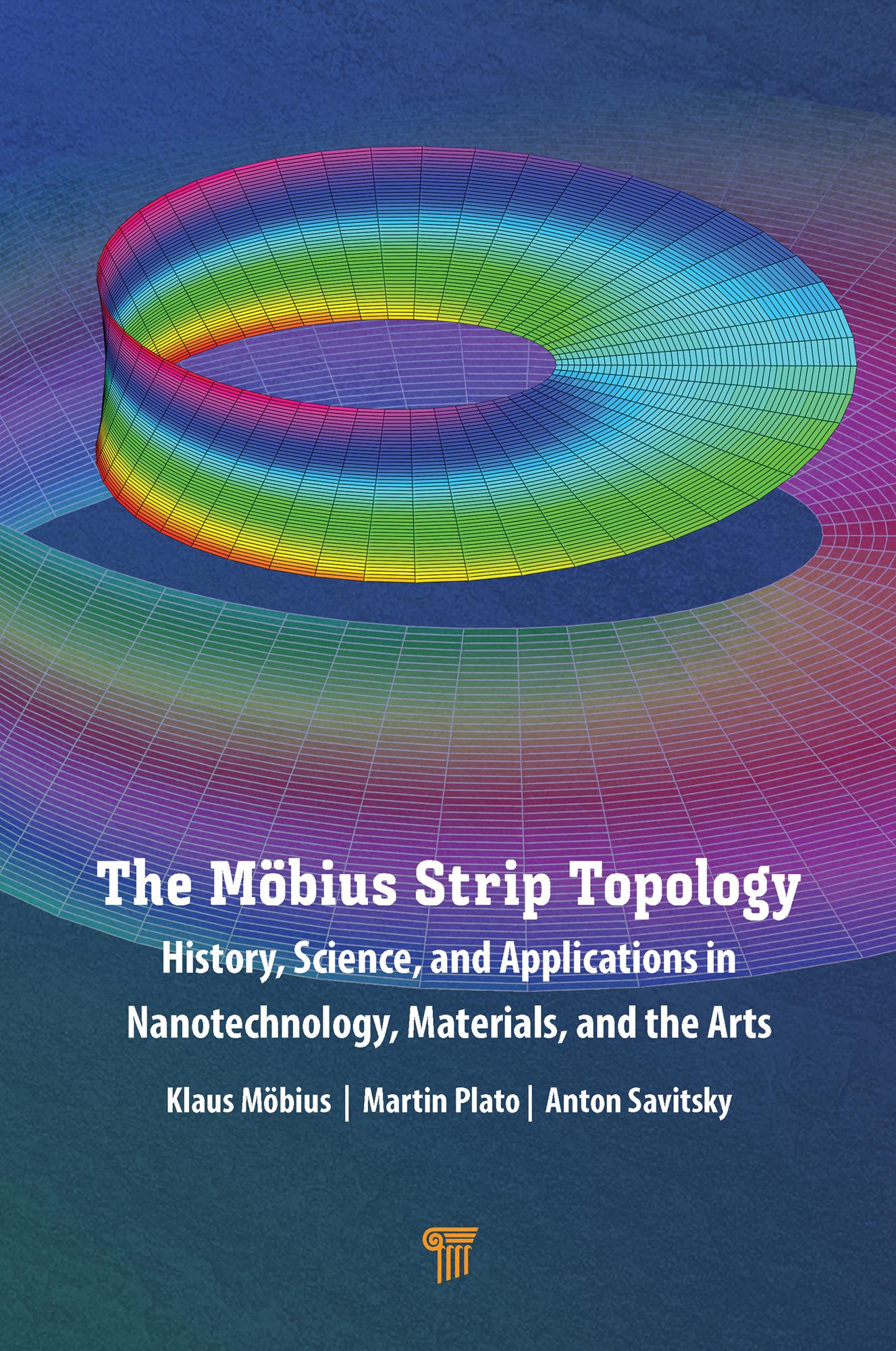
In the 19th century, pure mathematics research reached a climax in Germany, and Carl Friedrich Gauss (1777–1855) was an epochal example. August Ferdinand Möbius (1790–1868) was his doctoral student whose work was profoundly influenced by him. In the 18th century, it had been mostly the French school of applied mathematics that enabled the rapid developments of science and technology in Europe. How could this shift happen? It can be argued that the major reasons were the devastating consequences of the Napoleonic Wars in Central Europe, leading to the total defeat of Prussia in 1806. Immediately following, far-reaching reforms of the entire state system were carried out in Prussia and other German states, also affecting the educational system. It now guaranteed freedom of university teaching and research. This attracted many creative people with new ideas enabling the “golden age” of pure mathematics and fundamental theory in physical sciences.
Möbius’ legacy reaches far into today’s sciences, arts, and architecture. The famous one-sided Möbius strip is a paradigmatic example of the ongoing fascination with mathematical topology. This is the first book to present numerous detailed case studies on Möbius topology in science and the humanities. It is written for those who believe in the power of ideas in our culture, experts and laymen alike.
Zahle einfach mit Karte, Klarna, Apple Pay oder Google Pay. Nicht zufrieden? Du hast immer ein 14-tägiges Widerrufsrecht. Lies mehr in unseren AGB. Hast du Fragen, schreib uns eine E-Mail an hello@memmo.org.
Memmo macht das Lernen einfacher – wo auch immer du bist. Bei uns findest du deine Kursbücher und smarte Lerntools an einem Ort: Zusammenfassungen, Quizzes, Podcasts und Lernkarten. Und Ted, dein Lernbuddy, beantwortet alles, was du wissen möchtest. Über 50.000 Studierende lernen bereits hier – gemacht, damit du schneller lernst und weniger Stress hast.