
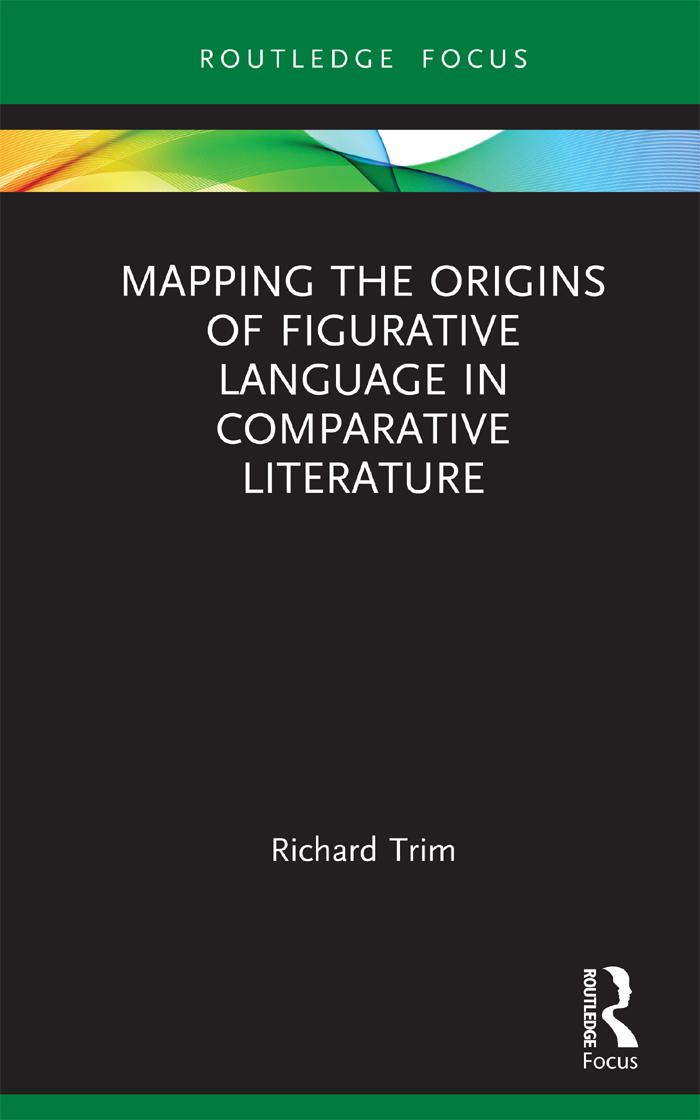
This book investigates the origins of figurative language in literary discourse within a cognitive framework. It represents an interface between linguistics and literature and develops a 6-tier theoretical model which analyses the different factors contributing to the creation of figurative words and expressions.
By examining features ranging from language structure to figurative thought, cultural history, reference, narrative and the personal experience of authors, it develops a global overview of the processes involved. Due to its particularly innovative characteristics in literature, the theme of death is explored in relation to universal concepts such as love and time. These aspects are discussed in the light of well-known authors in comparative literature such as D.H. Lawrence, Simone De Beauvoir, Hermann Hesse and Jorge Luis Borges. The origins can involve complex conceptual mappings in figures of speech such as metaphor and symbolism. They are often at the roots of an author’s personal desires or represent the search for answers to human existence.
This approach offers a wide variety of new ideas and research possibilities for postgraduate and research students in modern languages, linguistics and literature. It would also be of interest to academic researchers in these disciplines as well as the general public who would like to delve deeper into the relevant fields.
Zahle einfach mit Karte, Klarna, Apple Pay oder Google Pay. Nicht zufrieden? Du hast immer ein 14-tägiges Widerrufsrecht. Lies mehr in unseren AGB. Hast du Fragen, schreib uns eine E-Mail an hello@memmo.org.
Memmo macht das Lernen einfacher – wo auch immer du bist. Bei uns findest du deine Kursbücher und smarte Lerntools an einem Ort: Zusammenfassungen, Quizzes, Podcasts und Lernkarten. Und Ted, dein Lernbuddy, beantwortet alles, was du wissen möchtest. Über 50.000 Studierende lernen bereits hier – gemacht, damit du schneller lernst und weniger Stress hast.