
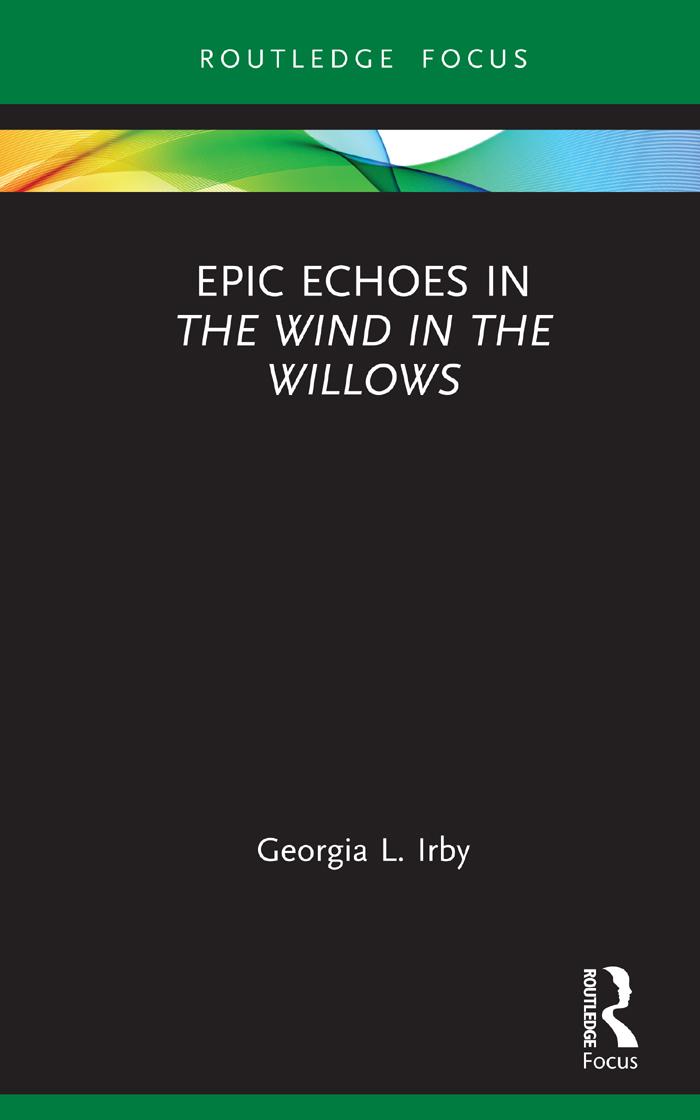
This book explores Grahame’s engagements with classical antiquity in The Wind in the Willows, including ancient epic, parody (Batrachomyomachia), and pastoral imagery.
Irby demonstrates how subtle echoes – such as the structure into 12 books, arming scenes, epic catalogues, anabases and katabases, lying tales, Toad’s "cleverness"—cumulatively suggest a link between The Wind in the Willows and classical literature. This study offers the first sustained treatment of classical allusions in The Wind in the Willows, considering the entire novel, not isolated scenes, building on existing scholarship to yield an interpretation through the lens of classical literature and its reception in Victorian and Edwardian England.
This volume will provide a unique resource for students and scholars of classical reception and literature, as well as comparative literature, English literature, children’s literature, gender studies, and Grahame’s writing.
Zahle einfach mit Karte, Klarna, Apple Pay oder Google Pay. Nicht zufrieden? Du hast immer ein 14-tägiges Widerrufsrecht. Lies mehr in unseren AGB. Hast du Fragen, schreib uns eine E-Mail an hello@memmo.org.
Memmo macht das Lernen einfacher – wo auch immer du bist. Bei uns findest du deine Kursbücher und smarte Lerntools an einem Ort: Zusammenfassungen, Quizzes, Podcasts und Lernkarten. Und Ted, dein Lernbuddy, beantwortet alles, was du wissen möchtest. Über 50.000 Studierende lernen bereits hier – gemacht, damit du schneller lernst und weniger Stress hast.