
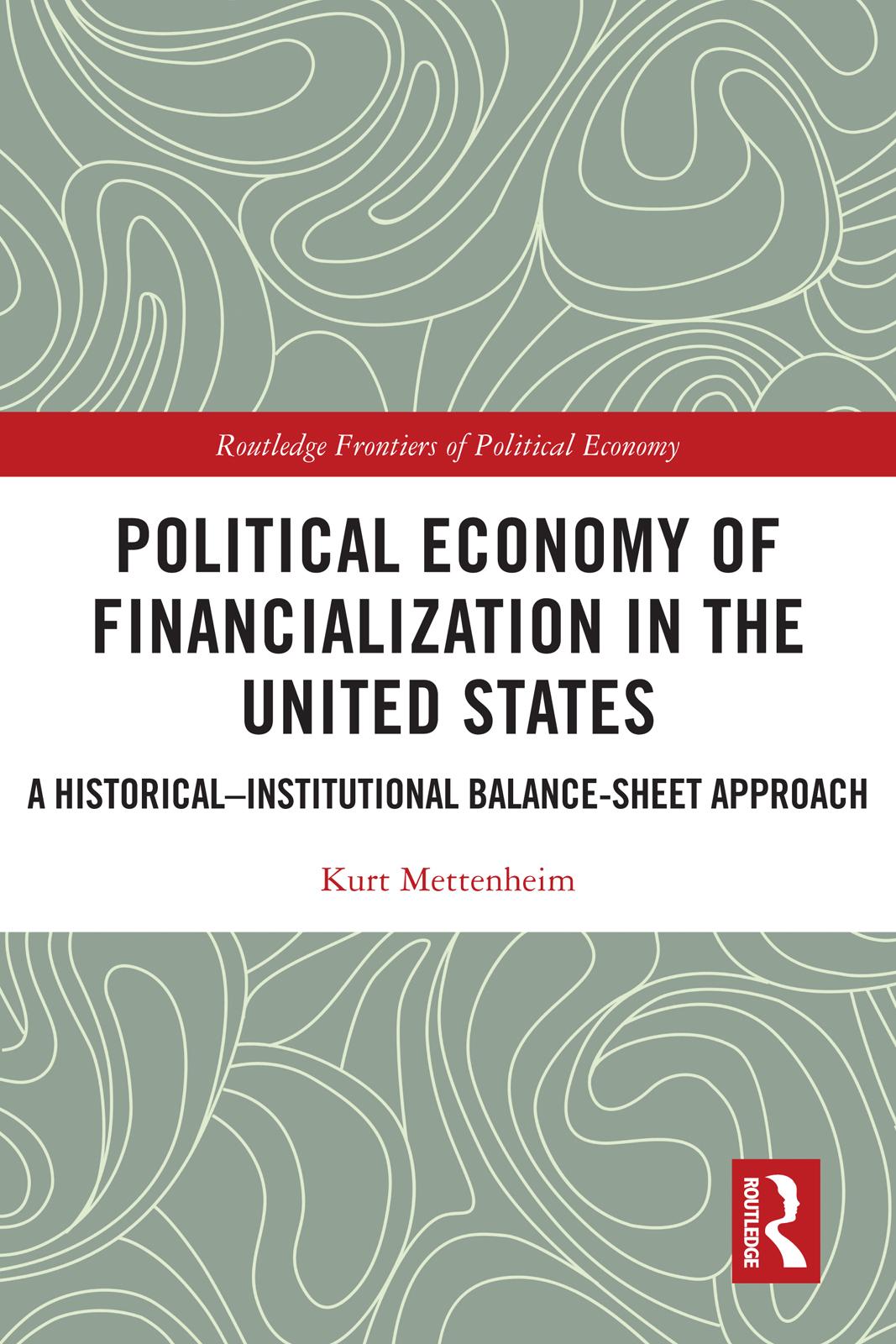
Combining balance sheet analysis with historical institutional analysis, this book traces the evolution of social sector financial balance sheets in the US from 1960 to 2018.
This innovative historical-institutional approach, ranging from the micro level of households to the macro level of the federal government, reveals that the displacement of households by banks has been a long-term process. This gradual compounding of financialization is at odds with widely accepted views about financialization, contemporary banking theory, financial intermediation theory, and post-Keynesian and endogenous money approaches. The book returns to time-tested traditional principles of banking and taps unexpected affinities about market failures in transaction cost economics, financial intermediation theory, and core ideas in classic modern political and social economy about economic moralities and social reactions of self-defense against unfettered markets. This book provides an alternative explanation for the rise of finance and new ways to think about averting financialization and its devastating consequences.
This book marks a significant contribution to the literature on financialization, social economics, banking, and the American political economy.
Zahle einfach mit Karte, Klarna, Apple Pay oder Google Pay. Nicht zufrieden? Du hast immer ein 14-tägiges Widerrufsrecht. Lies mehr in unseren AGB. Hast du Fragen, schreib uns eine E-Mail an hello@memmo.org.
Memmo macht das Lernen einfacher – wo auch immer du bist. Bei uns findest du deine Kursbücher und smarte Lerntools an einem Ort: Zusammenfassungen, Quizzes, Podcasts und Lernkarten. Und Ted, dein Lernbuddy, beantwortet alles, was du wissen möchtest. Über 50.000 Studierende lernen bereits hier – gemacht, damit du schneller lernst und weniger Stress hast.