
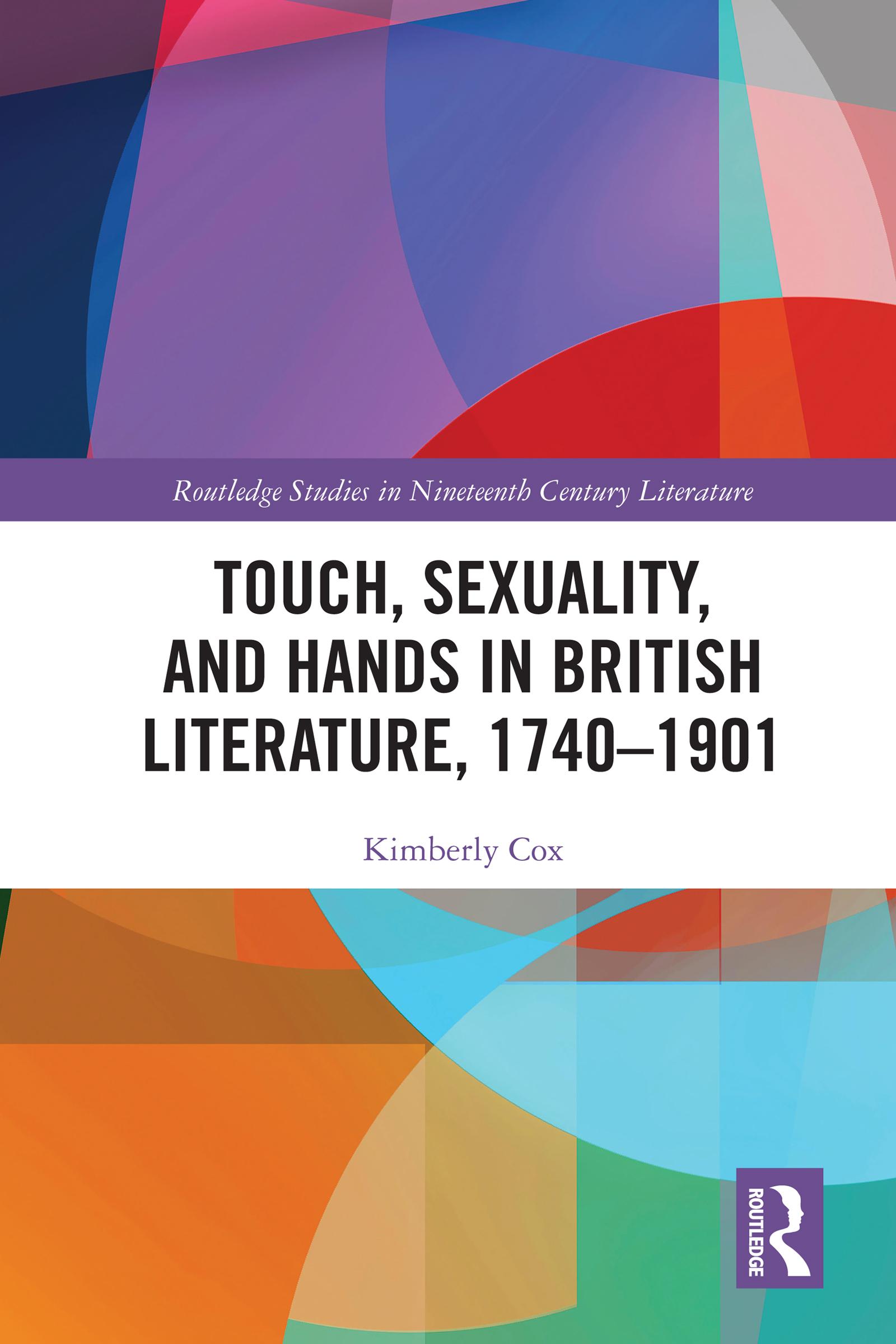
From Robert Lovelace’s uninvited hand-grasps in Samuel Richardson’s Clarissa to to Basil Hallward’s first encounter with Dorian Gray, literary depictions of touching hands in British literature from the 1740s to the 1890s communicate emotional dimensions of sexual experience that reflect shifting cultural norms associated with gender roles, sexuality, and sexual expression. But what is the relationship between hands, tactility, and sexuality in Victorian literature? And how do we best interpret what those touches communicate between characters? This volume addresses these questions by asserting a connection between the prevalence of violent, sexually charged touches in eighteenth-century novels such as those by Eliza Haywood, Samuel Richardson, and Frances Burney and growing public concern over handshake etiquette in the nineteenth century evident in works by Jane Austen, the Brontës, George Eliot, Elizabeth Gaskell, Thomas Hardy, Oscar Wilde, and Flora Annie Steel. This book takes an interdisciplinary approach that combines literary analysis with close analyses of paintings, musical compositions, and nonfictional texts, such as etiquette books and scientific treatises, to make a case for the significance of tactility to eighteenth- and nineteenth-century perceptions of selfhood and sexuality. In doing so, it draws attention to the communicative nature of skin-to-skin contact as represented in literature and traces a trajectory of meaning from the forceful grips that violate female characters in eighteenth-century novels to the consensual embraces common in Victorian and neo-Victorian literature.
Zahle einfach mit Karte, Klarna, Apple Pay oder Google Pay. Nicht zufrieden? Du hast immer ein 14-tägiges Widerrufsrecht. Lies mehr in unseren AGB. Hast du Fragen, schreib uns eine E-Mail an hello@memmo.org.
Memmo macht das Lernen einfacher – wo auch immer du bist. Bei uns findest du deine Kursbücher und smarte Lerntools an einem Ort: Zusammenfassungen, Quizzes, Podcasts und Lernkarten. Und Ted, dein Lernbuddy, beantwortet alles, was du wissen möchtest. Über 50.000 Studierende lernen bereits hier – gemacht, damit du schneller lernst und weniger Stress hast.