
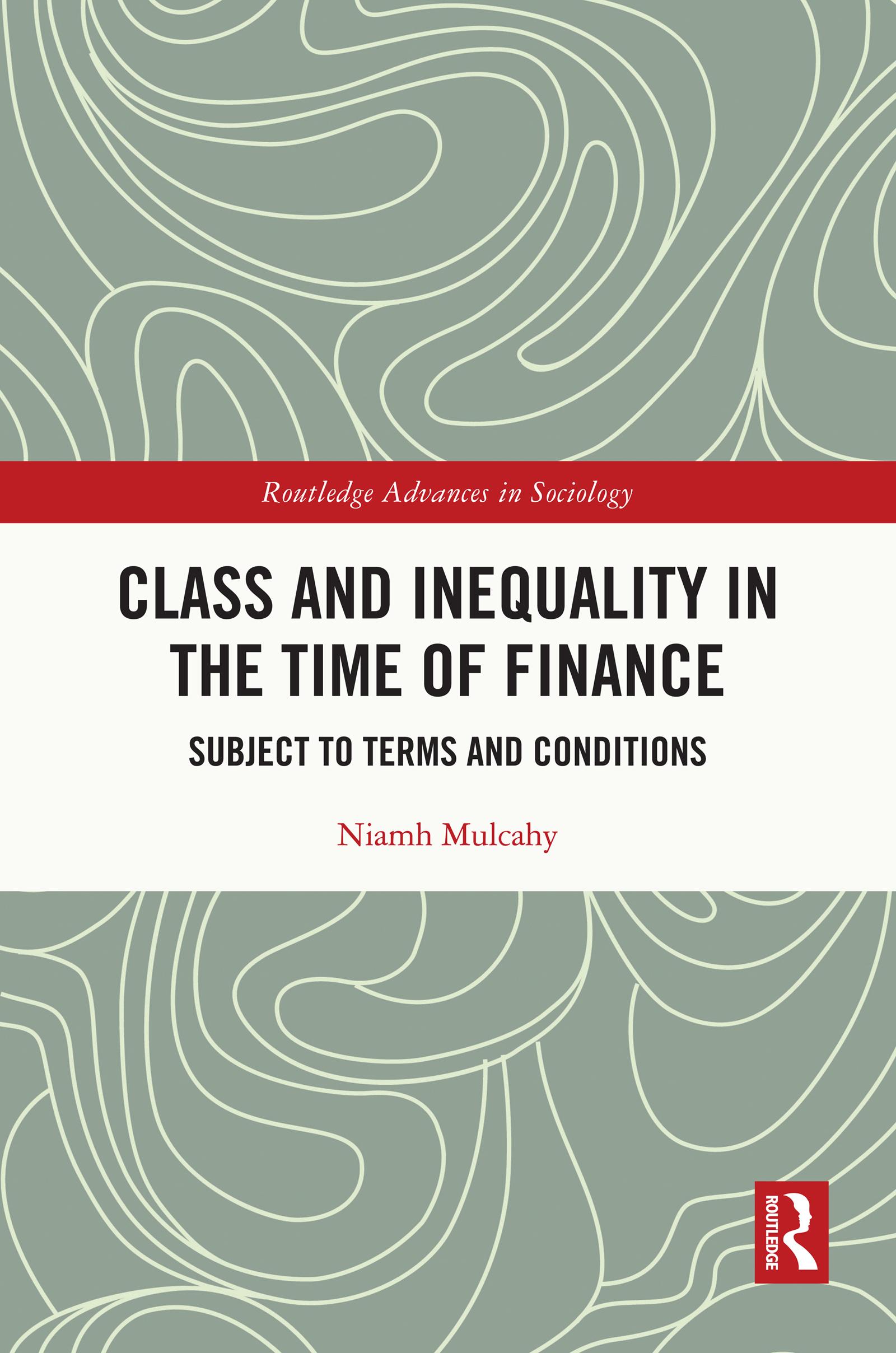
This book explores the effects of the gradual liberalisation of capital markets and the expansion of consumer credit on poorer households in the United Kingdom, with particular attention to the precariousness caused by a lack of savings and a reliance on debt. Asking what it means for poorer working individuals and households to be subject to the demands of finance, the author draws on Michel Foucault’s theory of subjectivation as well as Louis Althusser’s interest in class, actively theorising the constraints of low income or precarious work on financial planning, alongside the reorganisation or rollback of government benefits. A contribution to our understanding of the ways in which financial concerns deepen and expand economic inequality, Class and Inequality in the Time of Finance shows how finance stratifies individual subjects rather than simply individualising and separating them. As such, it will appeal to scholars of sociology with interests in neoliberalism, economic austerity, and consumer credit and debt.
Zahle einfach mit Karte, Klarna, Apple Pay oder Google Pay. Nicht zufrieden? Du hast immer ein 14-tägiges Widerrufsrecht. Lies mehr in unseren AGB. Hast du Fragen, schreib uns eine E-Mail an hello@memmo.org.
Memmo macht das Lernen einfacher – wo auch immer du bist. Bei uns findest du deine Kursbücher und smarte Lerntools an einem Ort: Zusammenfassungen, Quizzes, Podcasts und Lernkarten. Und Ted, dein Lernbuddy, beantwortet alles, was du wissen möchtest. Über 50.000 Studierende lernen bereits hier – gemacht, damit du schneller lernst und weniger Stress hast.