
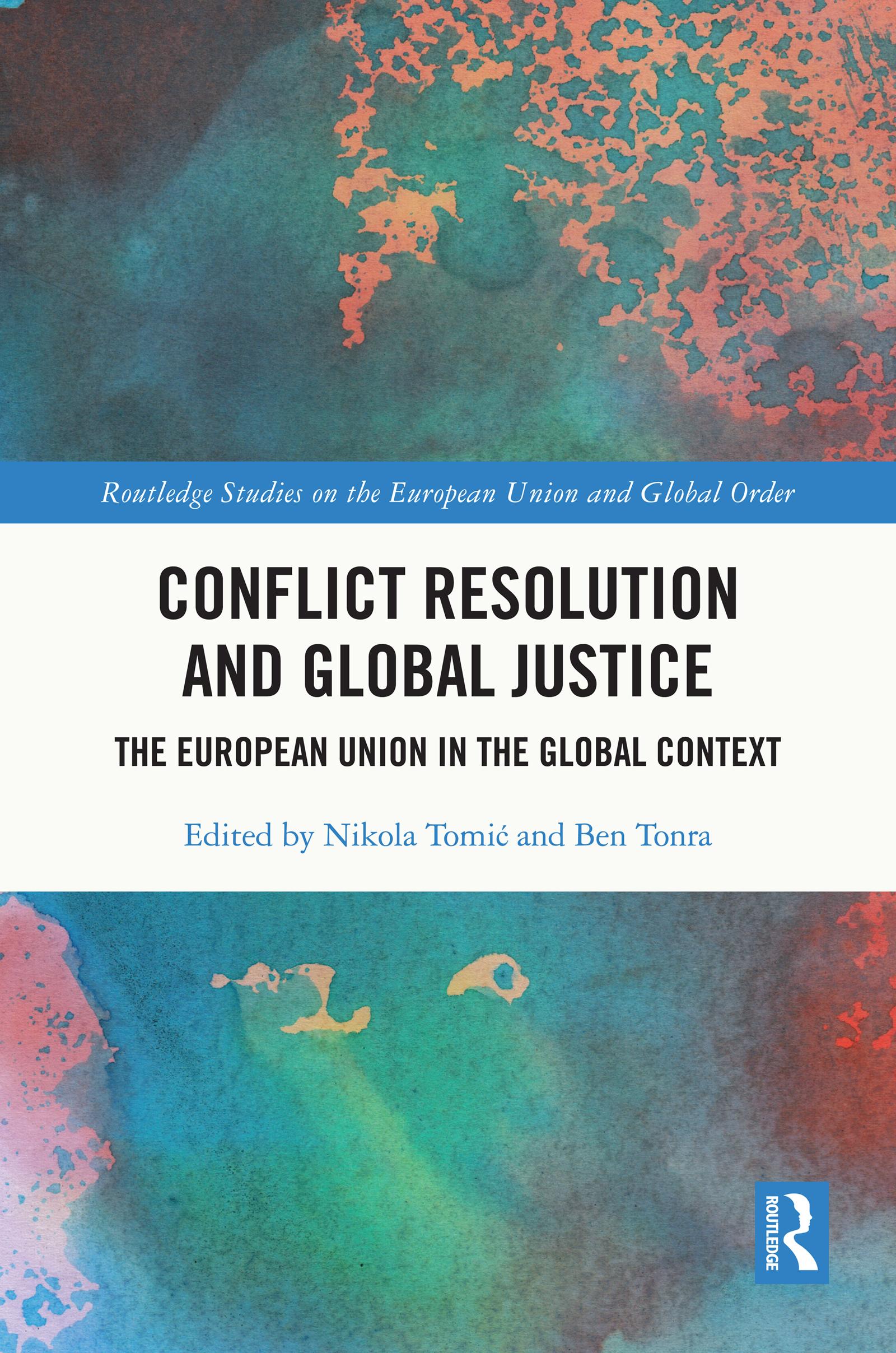
This book examines how the different normative foundations of conflict resolution held by various global actors, their understandings of justice, and the differences between types of conflict influence the varying means by which conflicts can be prevented, managed, and ultimately resolved.
By combining insights from political theory, conflict studies, and European Union (EU) foreign policy studies, the book identifies the EU as the key case of a conflict manager that is both a product and a defender of a global liberal order. It focuses on three aspects of conflict resolution that pose their own sets of both normative and empirical dilemmas: resolving border disputes; strengthening the resilience of weak or divided states and societies after regime change, and intervention in humanitarian crises. Furthermore, it offers a comparative analysis between a potentially distinctive European approach and that of other global actors and reflects critically on situations where policy practice may not always reflect a concern for justice, asking what countervailing forces prevail and why.
This book will be of key interest to scholars and students in European and EU Studies, Area studies, Conflict Resolution, War Studies, EU Foreign Policy Political Theory, International relations as well as policymakers.
Zahle einfach mit Karte, Klarna, Apple Pay oder Google Pay. Nicht zufrieden? Du hast immer ein 14-tägiges Widerrufsrecht. Lies mehr in unseren AGB. Hast du Fragen, schreib uns eine E-Mail an hello@memmo.org.
Memmo macht das Lernen einfacher – wo auch immer du bist. Bei uns findest du deine Kursbücher und smarte Lerntools an einem Ort: Zusammenfassungen, Quizzes, Podcasts und Lernkarten. Und Ted, dein Lernbuddy, beantwortet alles, was du wissen möchtest. Über 50.000 Studierende lernen bereits hier – gemacht, damit du schneller lernst und weniger Stress hast.