
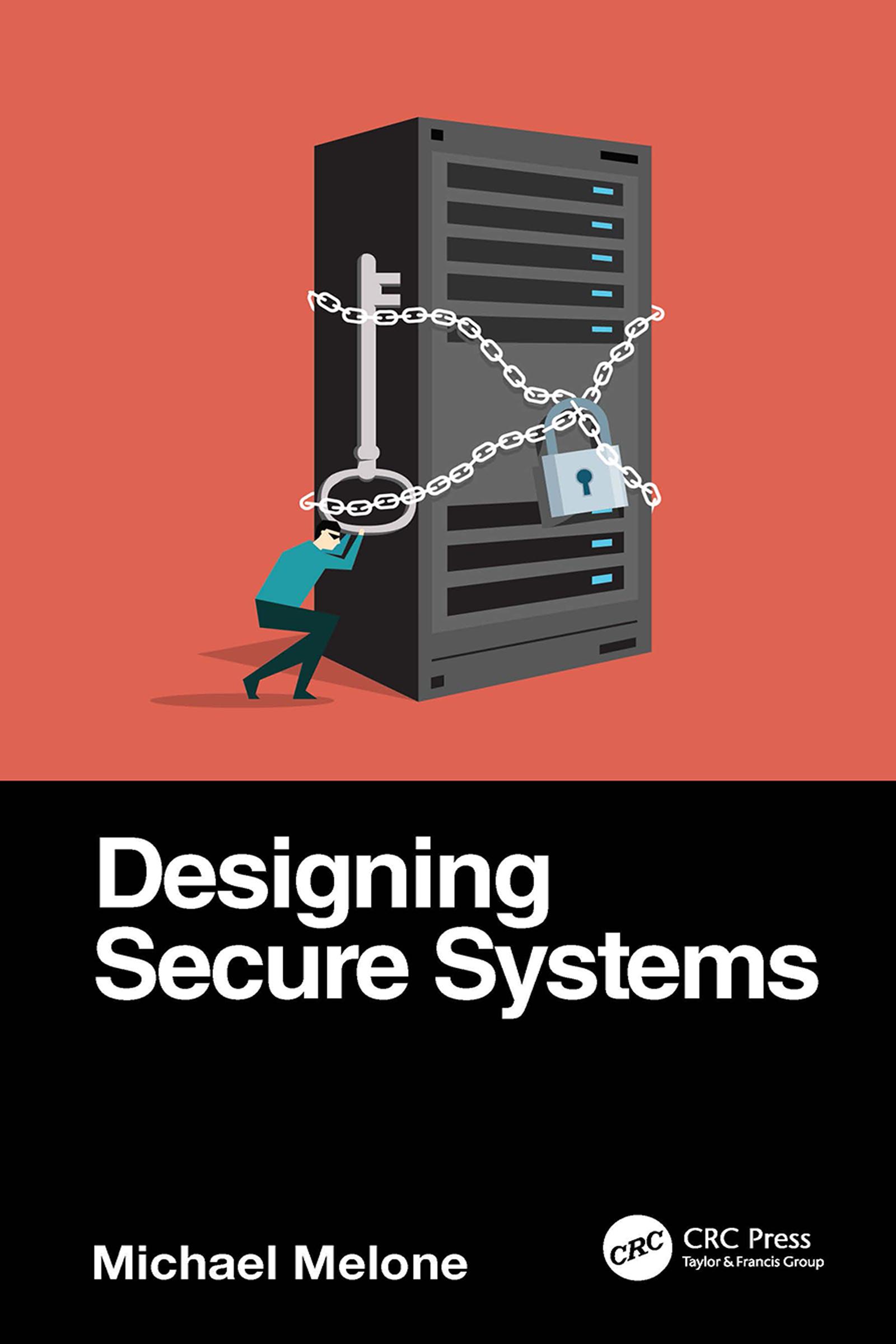
Modern systems are an intertwined mesh of human process, physical security, and technology. Attackers are aware of this, commonly leveraging a weakness in one form of security to gain control over an otherwise protected operation. To expose these weaknesses, we need a single unified model that can be used to describe all aspects of the system on equal terms.
Designing Secure Systems takes a theory-based approach to concepts underlying all forms of systems – from padlocks, to phishing, to enterprise software architecture. We discuss how weakness in one part of a system creates vulnerability in another, all the while applying standards and frameworks used in the cybersecurity world. Our goal: to analyze the security of the entire system – including people, processes, and technology – using a single model.
We begin by describing the core concepts of access, authorization, authentication, and exploitation. We then break authorization down into five interrelated components and describe how these aspects apply to physical, human process, and cybersecurity. Lastly, we discuss how to operate a secure system based on the NIST Cybersecurity Framework (CSF) concepts of "identify, protect, detect, respond, and recover."
Other topics covered in this book include the NIST National Vulnerability Database (NVD), MITRE Common Vulnerability Scoring System (CVSS), Microsoft’s Security Development Lifecycle (SDL), and the MITRE ATT&CK Framework.
Zahle einfach mit Karte, Klarna, Apple Pay oder Google Pay. Nicht zufrieden? Du hast immer ein 14-tägiges Widerrufsrecht. Lies mehr in unseren AGB. Hast du Fragen, schreib uns eine E-Mail an hello@memmo.org.
Memmo macht das Lernen einfacher – wo auch immer du bist. Bei uns findest du deine Kursbücher und smarte Lerntools an einem Ort: Zusammenfassungen, Quizzes, Podcasts und Lernkarten. Und Ted, dein Lernbuddy, beantwortet alles, was du wissen möchtest. Über 50.000 Studierende lernen bereits hier – gemacht, damit du schneller lernst und weniger Stress hast.