
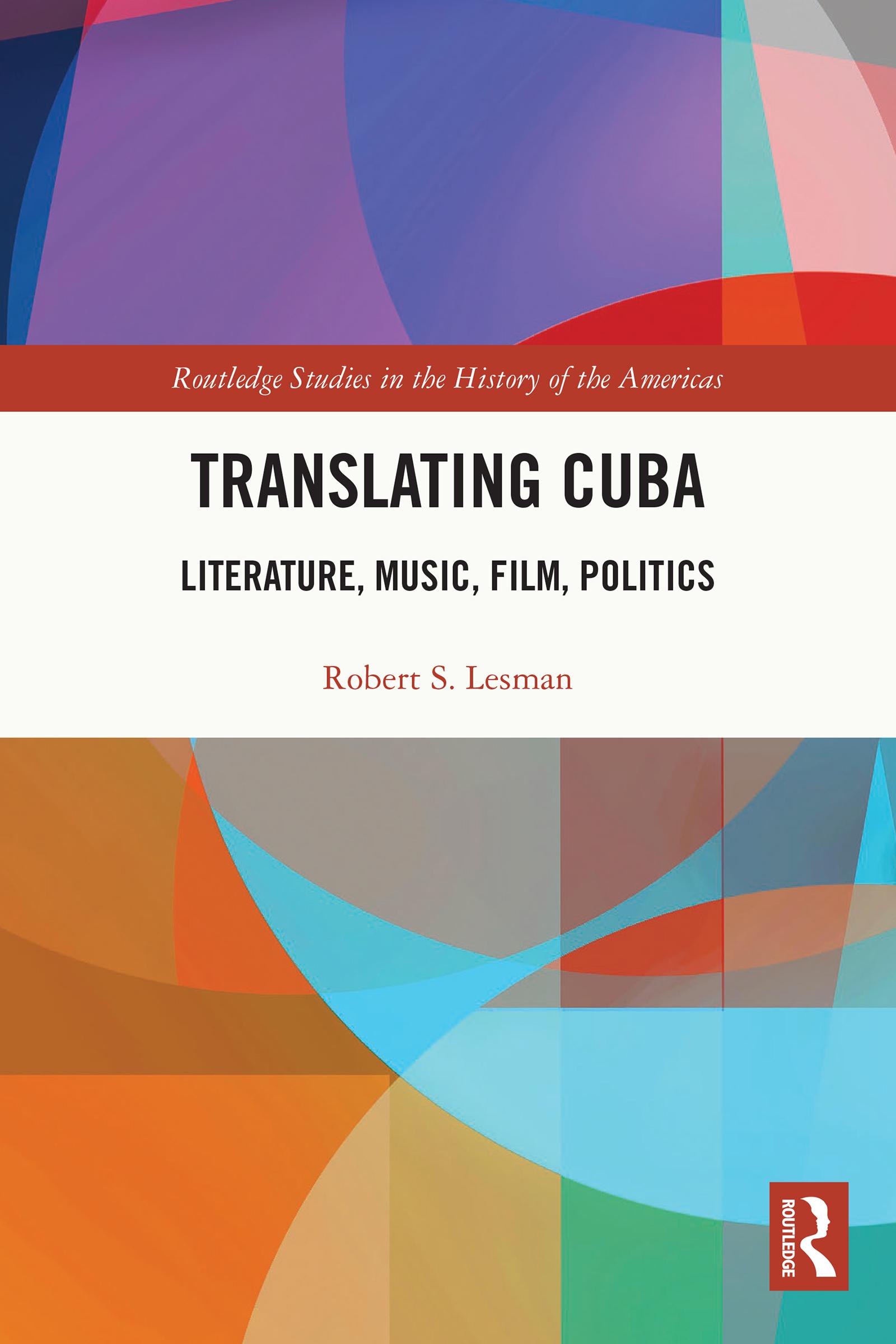
Cuban culture has long been available to English speakers via translation. This study examines the complex ways in which English renderings of Cuban texts from various domains—poetry, science fiction, political and military writing, music, film—have represented, reshaped, or amended original texts. Taking in a broad corpus, it becomes clear that the mental image an Anglophone audience has formed of Cuban culture since 1959 depends heavily on the decisions of translators. At times, a clear ideological agenda drives moves like strengthening the denunciatory tone of a song or excising passages from a political text. At other moments, translators’ indifference to the importance of certain facets of a work, such as a film’s onscreen text or the lyrics sung on a musical performance, impoverishes the English speaker’s experience of the rich weave of self-expression in the original Spanish. In addition to the dynamics at work in the choices translators make at the level of the text itself, this study attends to how paratexts like prefaces, footnotes, liner notes, and promotional copy shape the audience’s experience of the text.
Zahle einfach mit Karte, Klarna, Apple Pay oder Google Pay. Nicht zufrieden? Du hast immer ein 14-tägiges Widerrufsrecht. Lies mehr in unseren AGB. Hast du Fragen, schreib uns eine E-Mail an hello@memmo.org.
Memmo macht das Lernen einfacher – wo auch immer du bist. Bei uns findest du deine Kursbücher und smarte Lerntools an einem Ort: Zusammenfassungen, Quizzes, Podcasts und Lernkarten. Und Ted, dein Lernbuddy, beantwortet alles, was du wissen möchtest. Über 50.000 Studierende lernen bereits hier – gemacht, damit du schneller lernst und weniger Stress hast.