
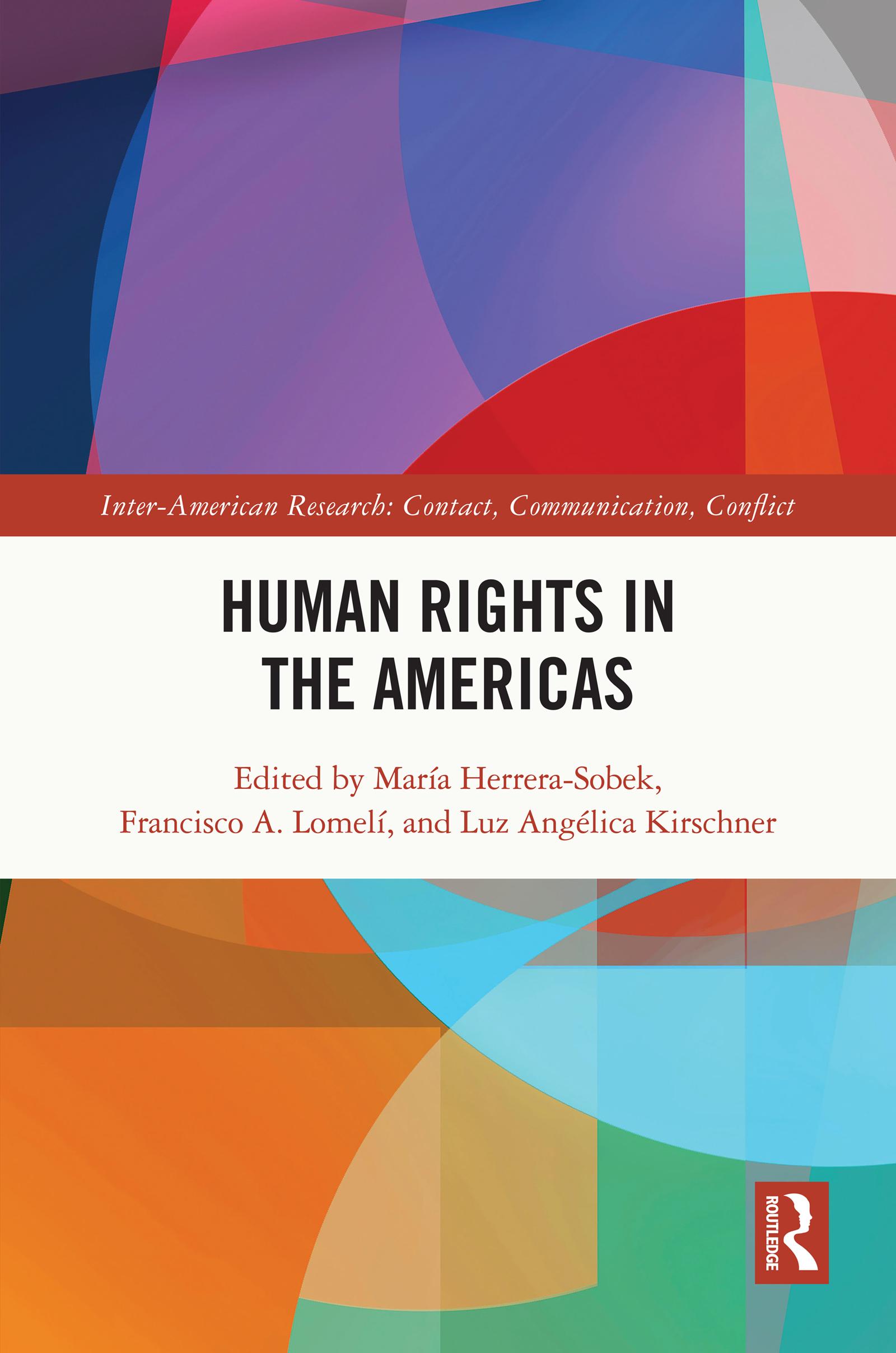
This interdisciplinary book explores human rights in the Americas from multiple perspectives and fields. Taking 1492 as a point of departure, the text explores Eurocentric historiographies of human rights and offer a more complete understanding of the genealogy of the human rights discourse and its many manifestations in the Americas.
The essays use a variety of approaches to reveal the larger contexts from which they emerge, providing a cross-sectional view of subjects, countries, methodologies and foci explicitly dedicated toward understanding historical factors and circumstances that have shaped human rights nationally and internationally within the Americas. The chapters explore diverse cultural, philosophical, political and literary expressions where human rights discourses circulate across the continent taking into consideration issues such as race, class, gender, genealogy and nationality. While acknowledging the ongoing centrality of the nation, the volume promotes a shift in the study of the Americas as a dynamic transnational space of conflict, domination, resistance, negotiation, complicity, accommodation, dialogue, and solidarity where individuals, nations, peoples, institutions, and intellectual and political movements share struggles, experiences, and imaginaries.
It will be of interest to all scholars and students of InterAmerican studies and those from all disciplines interested in Human Rights.
Zahle einfach mit Karte, Klarna, Apple Pay oder Google Pay. Nicht zufrieden? Du hast immer ein 14-tägiges Widerrufsrecht. Lies mehr in unseren AGB. Hast du Fragen, schreib uns eine E-Mail an hello@memmo.org.
Memmo macht das Lernen einfacher – wo auch immer du bist. Bei uns findest du deine Kursbücher und smarte Lerntools an einem Ort: Zusammenfassungen, Quizzes, Podcasts und Lernkarten. Und Ted, dein Lernbuddy, beantwortet alles, was du wissen möchtest. Über 50.000 Studierende lernen bereits hier – gemacht, damit du schneller lernst und weniger Stress hast.