
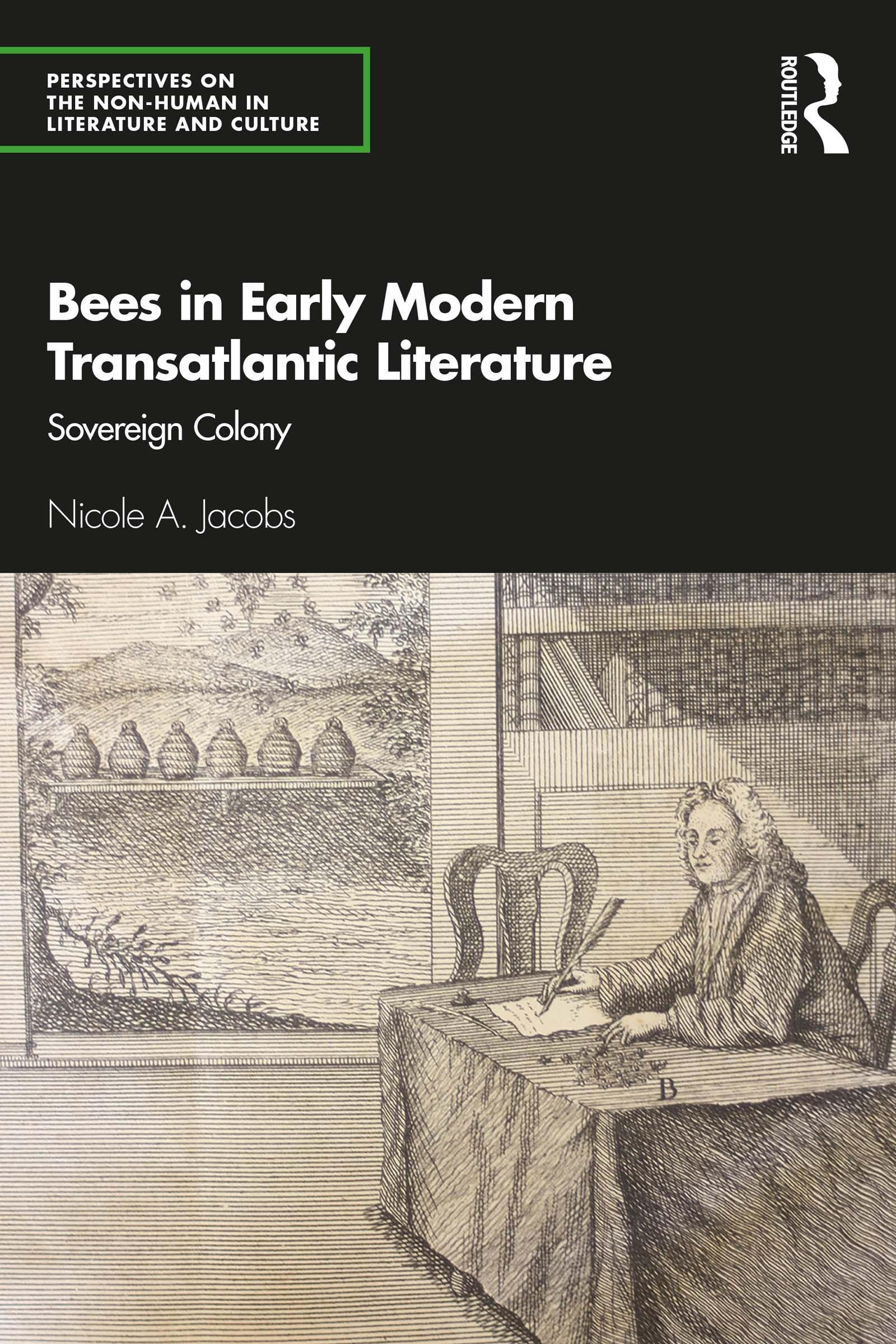
This book examines apian imagery—bees, drones, honey, and the hive—in the seventeenth- and eighteenth-century literary and oral traditions. In England and the New World colonies during a critical period of expansion, the metaphor of this communal society faced unprecedented challenges even as it came to emblematize the process of colonization itself. The beehive connected the labor of those marginalized by race, class, gender, or species to larger considerations of sovereignty. This study examines the works of William Shakespeare; Francis Daniel Pastorius; Hopi, Wyandotte, and Pocasset cultures; John Milton; Hester Pulter; and Bernard Mandeville. Its contribution lies in its exploration of the simultaneously recuperative and destructive narratives that place the bee at the nexus of the human, the animal, and the environment. The book argues that bees play a central representational and physical role in shaping conflicts over hierarchies of the early transatlantic world.
Zahle einfach mit Karte, Klarna, Apple Pay oder Google Pay. Nicht zufrieden? Du hast immer ein 14-tägiges Widerrufsrecht. Lies mehr in unseren AGB. Hast du Fragen, schreib uns eine E-Mail an hello@memmo.org.
Memmo macht das Lernen einfacher – wo auch immer du bist. Bei uns findest du deine Kursbücher und smarte Lerntools an einem Ort: Zusammenfassungen, Quizzes, Podcasts und Lernkarten. Und Ted, dein Lernbuddy, beantwortet alles, was du wissen möchtest. Über 50.000 Studierende lernen bereits hier – gemacht, damit du schneller lernst und weniger Stress hast.