
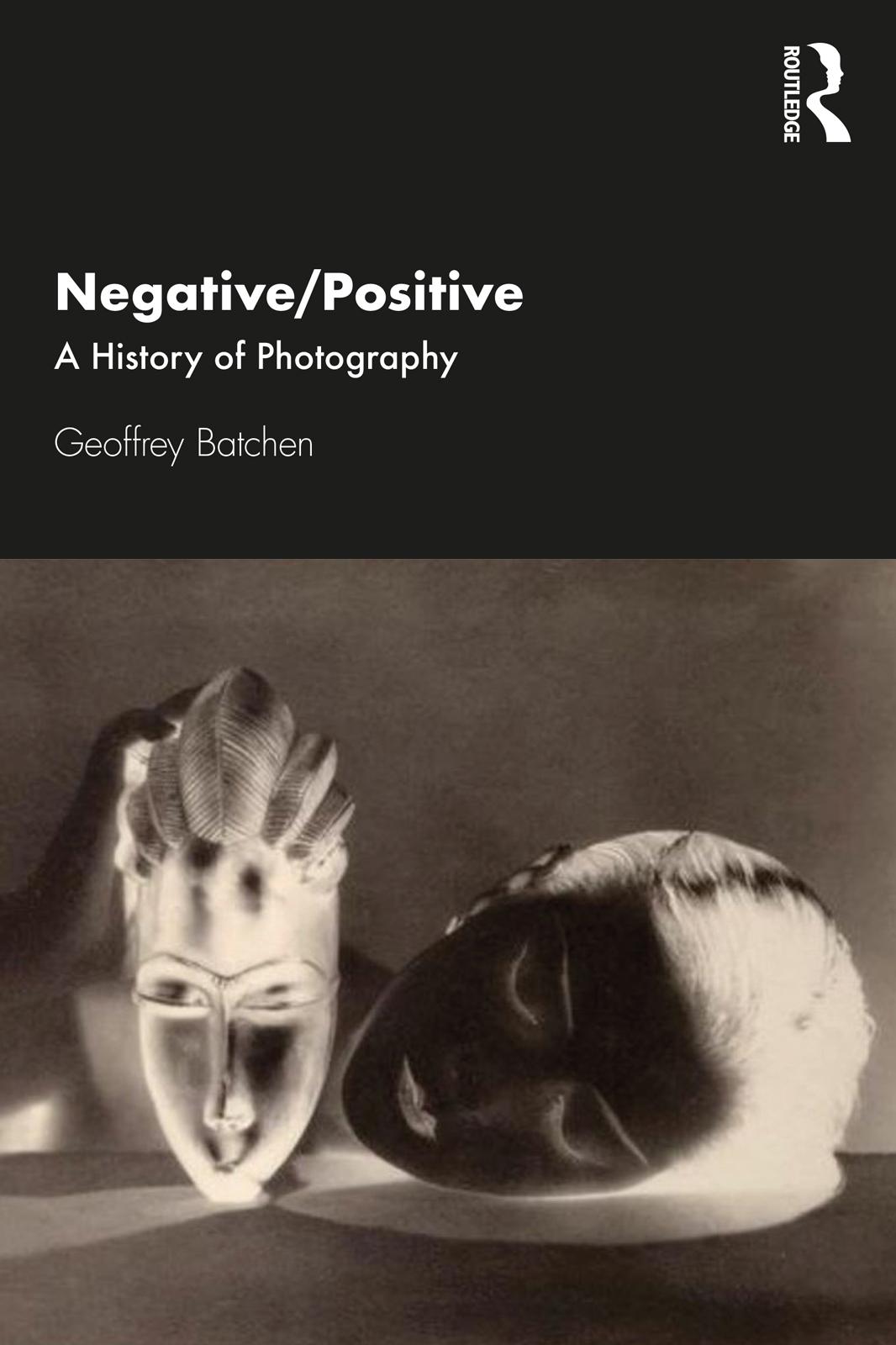
As its title suggests, Negative/Positive begins with the negative, a foundational element of analog photography that is nonetheless usually ignored, and uses this to tell a representative, rather than comprehensive, history of the medium.
The fact that a photograph is split between negative and positive manifestations means that its identity is always simultaneously divided and multiplied. The interaction of these two components was often spread out over time and space and could involve more than one person, giving photography the capacity to produce multiple copies of a given image and for that image to have many different looks, sizes and makers. This book traces these complications for canonical images by such figures as William Henry Fox Talbot, Kusakabe Kimbei, Dorothea Lange, Man Ray, Seydou Keïta, Richard Avedon, and Andreas Gursky. But it also considers a number of related issues crucial to any understanding of photography, from the business practices of professional photographers to the repetition of pose and setting that is so central to certain familiar photographic genres. Ranging from the daguerreotype to the digital image, the end result is a kind of little history of photography, partial and episodic, but no less significant a rendition of the photographic experience for being so.
This book represents a summation of Batchen’s work to date, making it be essential reading for students and scholars of photography and for all those interested in the history of the medium
Zahle einfach mit Karte, Klarna, Apple Pay oder Google Pay. Nicht zufrieden? Du hast immer ein 14-tägiges Widerrufsrecht. Lies mehr in unseren AGB. Hast du Fragen, schreib uns eine E-Mail an hello@memmo.org.
Memmo macht das Lernen einfacher – wo auch immer du bist. Bei uns findest du deine Kursbücher und smarte Lerntools an einem Ort: Zusammenfassungen, Quizzes, Podcasts und Lernkarten. Und Ted, dein Lernbuddy, beantwortet alles, was du wissen möchtest. Über 50.000 Studierende lernen bereits hier – gemacht, damit du schneller lernst und weniger Stress hast.