
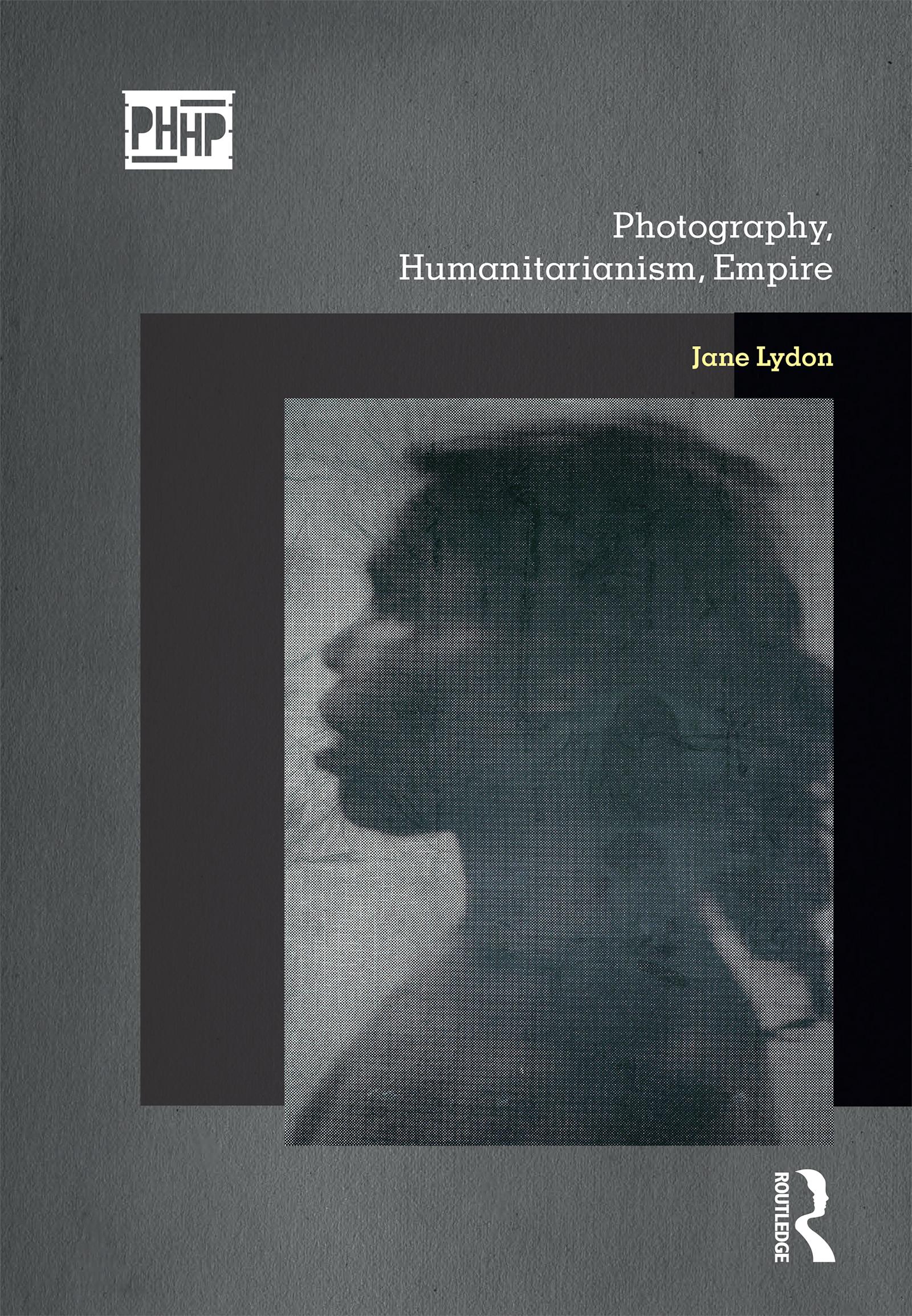
With their power to create a sense of proximity and empathy, photographs have long been a crucial means of exchanging ideas between people across the globe; this book explores the role of photography in shaping ideas about race and difference from the 1840s to the 1948 Declaration of Human Rights. Focusing on Australian experience in a global context, a rich selection of case studies – drawing on a range of visual genres, from portraiture to ethnographic to scientific photographs – show how photographic encounters between Aboriginals, missionaries, scientists, photographers and writers fuelled international debates about morality, law, politics and human rights.Drawing on new archival research, Photography, Humanitarianism, Empire is essential reading for students and scholars of race, visuality and the histories of empire and human rights.
The Open Access version of this book, available at http://www.taylorfrancis.com, has been made available under a Creative Commons Attribution-Non Commercial-No Derivatives (CC BY-NC-ND) 4.0 license.
Zahle einfach mit Karte, Klarna, Apple Pay oder Google Pay. Nicht zufrieden? Du hast immer ein 14-tägiges Widerrufsrecht. Lies mehr in unseren AGB. Hast du Fragen, schreib uns eine E-Mail an hello@memmo.org.
Memmo macht das Lernen einfacher – wo auch immer du bist. Bei uns findest du deine Kursbücher und smarte Lerntools an einem Ort: Zusammenfassungen, Quizzes, Podcasts und Lernkarten. Und Ted, dein Lernbuddy, beantwortet alles, was du wissen möchtest. Über 50.000 Studierende lernen bereits hier – gemacht, damit du schneller lernst und weniger Stress hast.