
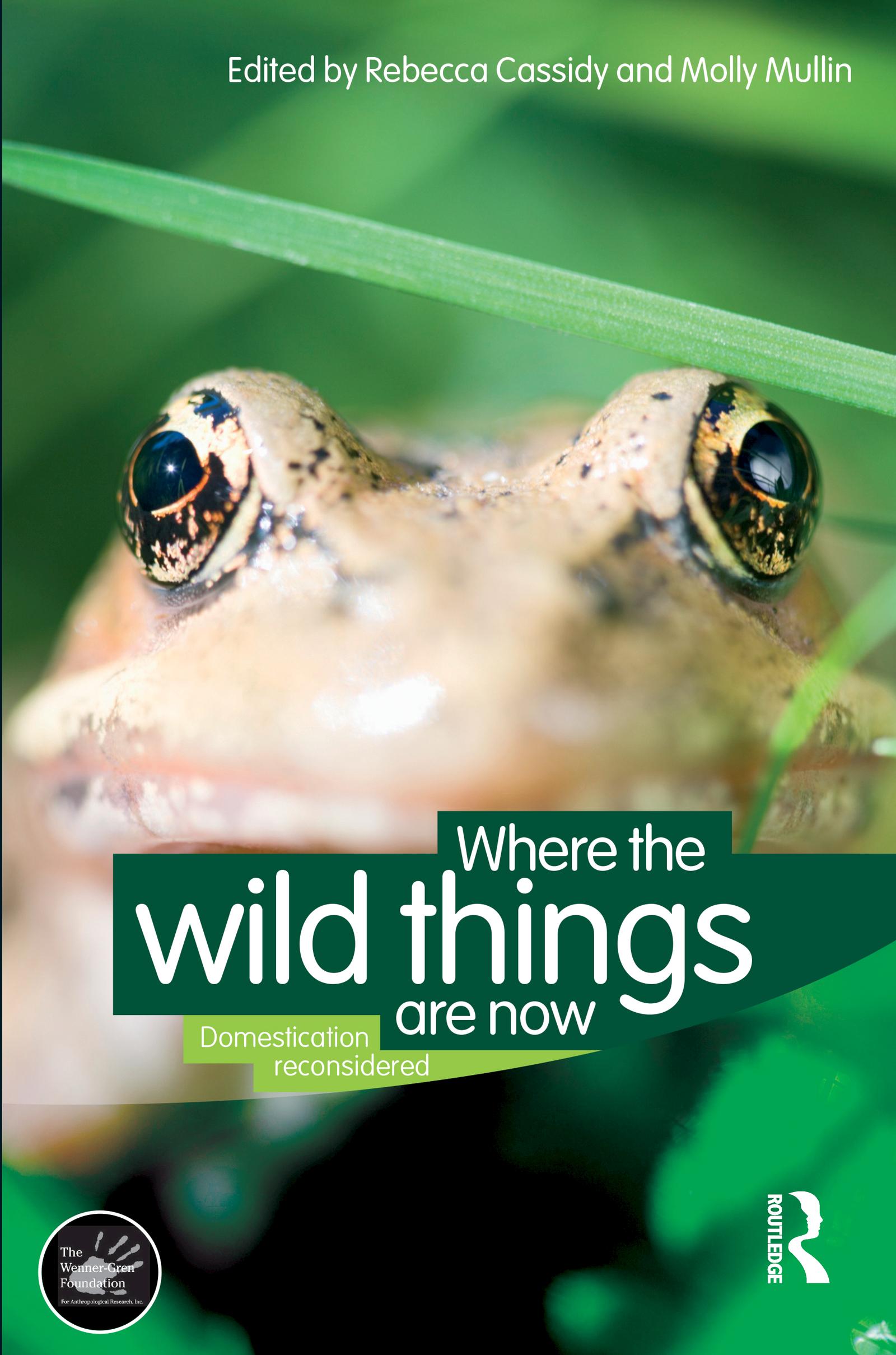
Domestication has often seemed a matter of the distant past, a series of distinct events involving humans and other species that took place long ago. Today, as genetic manipulation continues to break new barriers in scientific and medical research, we appear to be entering an age of biological control. Are we also writing a new chapter in the history of domestication? Where the Wild Things Are Now explores the relevance of domestication for anthropologists and scholars in related fields who are concerned with understanding ongoing change in processes affecting humans as well as other species. From the pet food industry and its critics to salmon farming in Tasmania, the protection of endangered species in Vietnam and the pigeon fanciers who influenced Darwin, Where the Wild Things Are Now provides an urgently needed re-examination of the concept of domestication against the shifting background of relationships between humans, animals and plants.
Zahle einfach mit Karte, Klarna, Apple Pay oder Google Pay. Nicht zufrieden? Du hast immer ein 14-tägiges Widerrufsrecht. Lies mehr in unseren AGB. Hast du Fragen, schreib uns eine E-Mail an hello@memmo.org.
Memmo macht das Lernen einfacher – wo auch immer du bist. Bei uns findest du deine Kursbücher und smarte Lerntools an einem Ort: Zusammenfassungen, Quizzes, Podcasts und Lernkarten. Und Ted, dein Lernbuddy, beantwortet alles, was du wissen möchtest. Über 50.000 Studierende lernen bereits hier – gemacht, damit du schneller lernst und weniger Stress hast.
Das könnte dir auch gefallen
Buch kaufen0