
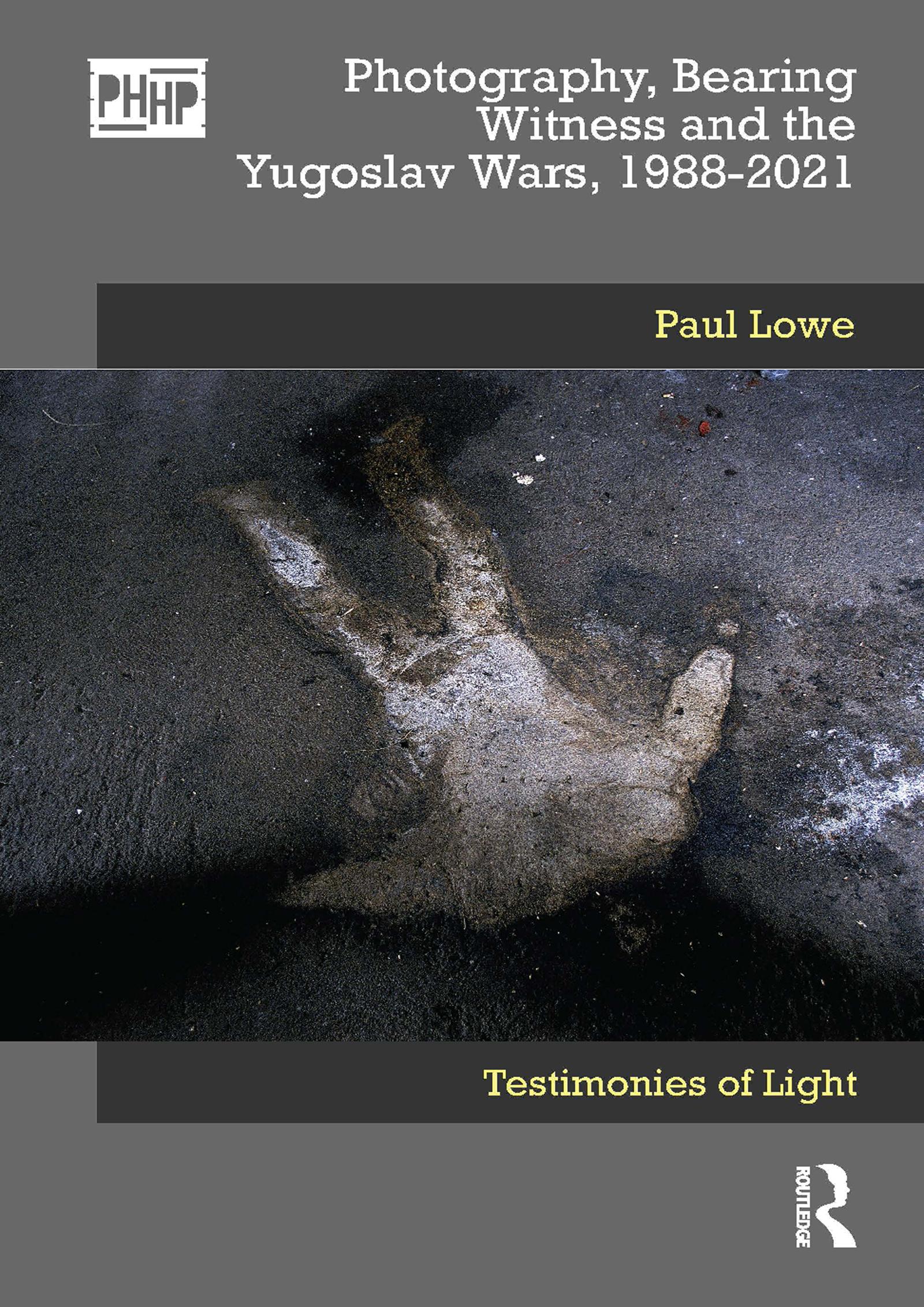
Combining case studies with theoretical and philosophical insights, this book explores the role of photography in representing conflict and genocide, both during and after the break-up of Yugoslavia.
Concentrating on the photographer, this book considers the practice of photojournalism rather than simply in terms of its consumption and use by the media. The experiences and working methods of photographers in the field are analysed, showing how practitioners conceptualised their work and responded to larger questions about neutrality and moral responsibility. Presenting this ‘active’ form of witness, author Paul Lowe investigates a crucial ethical paradox faced by photojournalists. Moving beyond the end of the Yugoslav Wars in 2001, this book also considers the therapeutic and validating potential of photography for survivors, featuring photographers whose work centres on memory and reconciliation. Based on archival research, close reading and discourse analyses of photographs, and interviews with a range of international photographers, this book explores how photography from this period has been used and remediated in editorial photojournalism, fine art documentary and advocacy photography.
This book will be of interest to scholars in the history of photography, art and visual culture, and photojournalism.
Zahle einfach mit Karte, Klarna, Apple Pay oder Google Pay. Nicht zufrieden? Du hast immer ein 14-tägiges Widerrufsrecht. Lies mehr in unseren AGB. Hast du Fragen, schreib uns eine E-Mail an hello@memmo.org.
Memmo macht das Lernen einfacher – wo auch immer du bist. Bei uns findest du deine Kursbücher und smarte Lerntools an einem Ort: Zusammenfassungen, Quizzes, Podcasts und Lernkarten. Und Ted, dein Lernbuddy, beantwortet alles, was du wissen möchtest. Über 50.000 Studierende lernen bereits hier – gemacht, damit du schneller lernst und weniger Stress hast.