
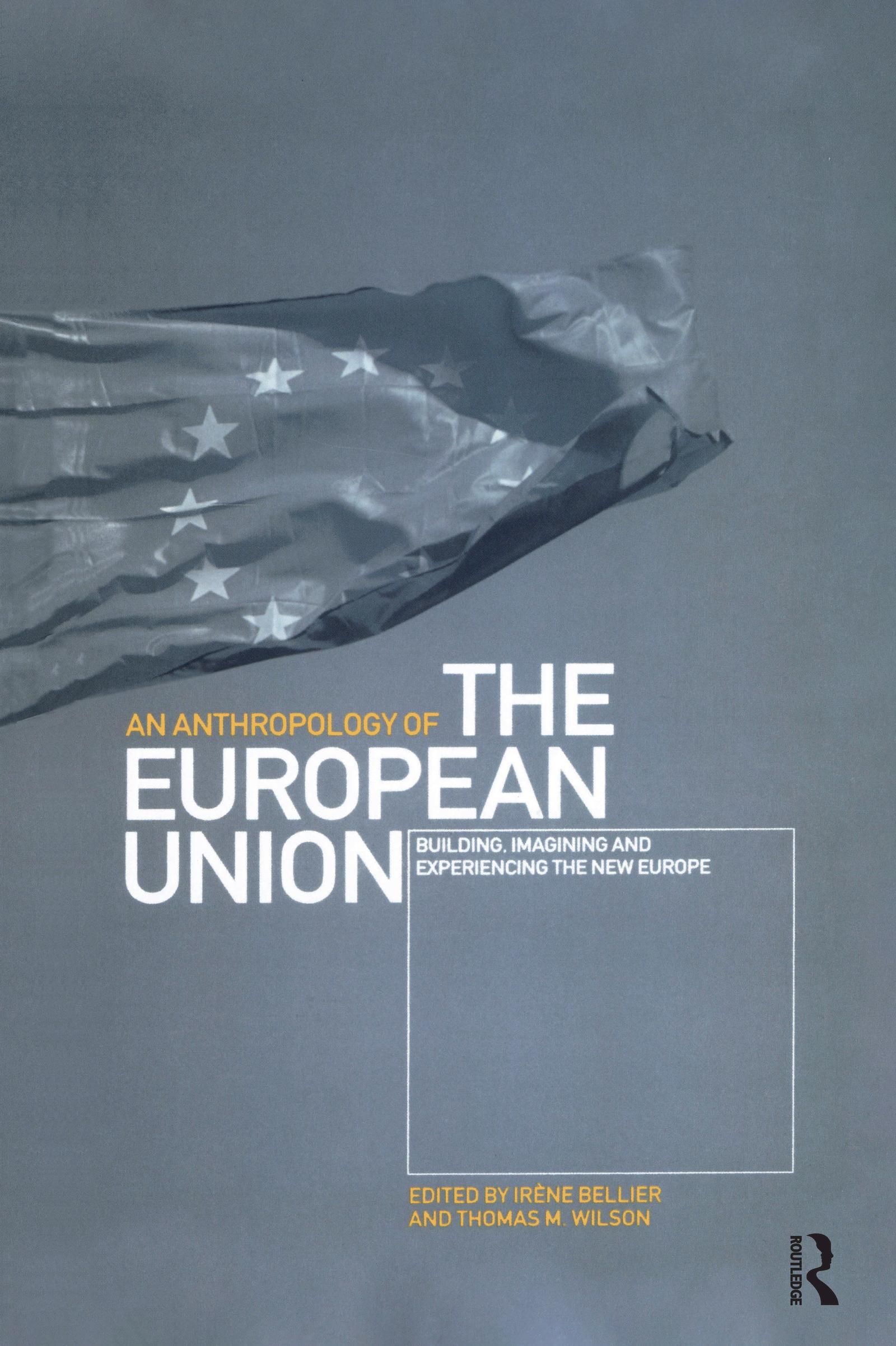
One of the problems facing Europe is that the building of institutional Europe and top-down efforts to get Europeans to imagine their common identity do not necessarily result in political and cultural unity. Anthropologists have been slow to consider the difficulties presented by the expansion of the EU model and its implications for Europe in the 21st Century. Representing a new trend in European anthropology, this book examines how people adjust to their different experiences of the new Europe. The role of culture, religion, and ideology, as well as insiders' social and professional practices, are all shown to shed light on the cultural logic sustaining the institutions and policies of the European Union. On the one hand, the activities of the European institutions in Brussels illustrate how people of many different nationalities, languages and cultures can live and work together. On the other hand, the interests of many people at the local, regional and national levels are not the same as the Eurocrats'. Contributors explore the issues of unity and diversity in ‘Europe-building' through various European institutions, images, and programmes, and their effects on a variety of definitions of identity in such locales as France, Denmark, the United Kingdom, Ireland and Belgium.
Zahle einfach mit Karte, Klarna, Apple Pay oder Google Pay. Nicht zufrieden? Du hast immer ein 14-tägiges Widerrufsrecht. Lies mehr in unseren AGB. Hast du Fragen, schreib uns eine E-Mail an hello@memmo.org.
Memmo macht das Lernen einfacher – wo auch immer du bist. Bei uns findest du deine Kursbücher und smarte Lerntools an einem Ort: Zusammenfassungen, Quizzes, Podcasts und Lernkarten. Und Ted, dein Lernbuddy, beantwortet alles, was du wissen möchtest. Über 50.000 Studierende lernen bereits hier – gemacht, damit du schneller lernst und weniger Stress hast.
Das könnte dir auch gefallen
Buch kaufen0