
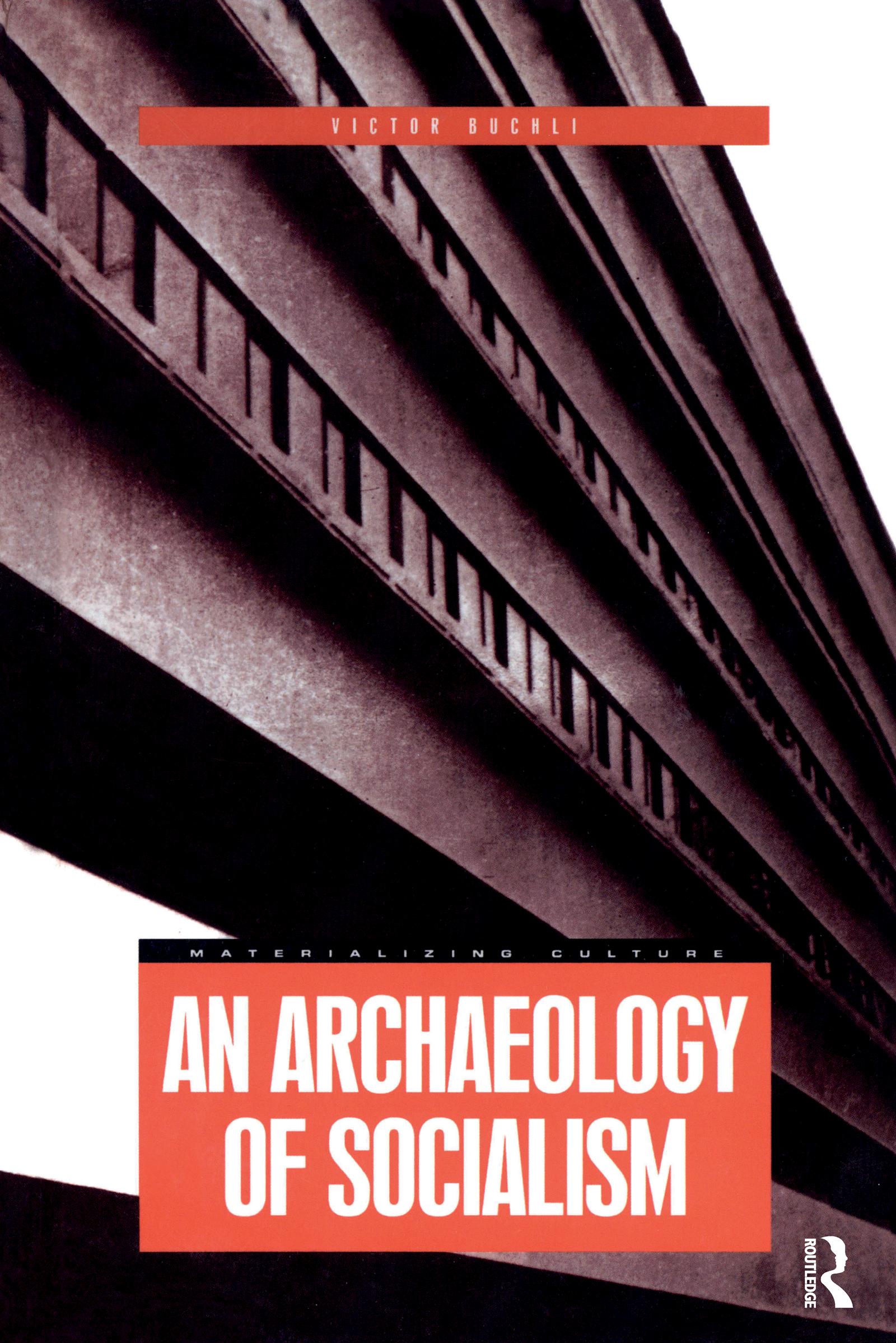
This highly original case study, which adopts a material culture perspective, is unprecedented in social and cultural histories of the Soviet period and provides a unique window on social relations. The author demonstrates how Moisei Ginzburg's Constructivist masterpiece, the Narkomfin Communal House, employed classic Marxist understandings of material culture in an effort to overturn capitalist and patriarchal social structures. Through the edifying effects of architectural forms, Ginzburg attempted to induce socialist and feminist-inspired social and gender relations. The author shows how, for the inhabitants, these principles manifested themselves, from taste to hygiene to gender roles, and how individuals variously appropriated architectural space and material culture to cope with the conditions of daily life, from the utopianism of the First Five Year Plan and Stalin's purges to the collapse of the Soviet Union. This book makes a major contribution to: the history of socialism in the Soviet Union and, more generally, Eastern Europe; material culture studies; architectural history; archaeology and social anthropology.
Zahle einfach mit Karte, Klarna, Apple Pay oder Google Pay. Nicht zufrieden? Du hast immer ein 14-tägiges Widerrufsrecht. Lies mehr in unseren AGB. Hast du Fragen, schreib uns eine E-Mail an hello@memmo.org.
Memmo macht das Lernen einfacher – wo auch immer du bist. Bei uns findest du deine Kursbücher und smarte Lerntools an einem Ort: Zusammenfassungen, Quizzes, Podcasts und Lernkarten. Und Ted, dein Lernbuddy, beantwortet alles, was du wissen möchtest. Über 50.000 Studierende lernen bereits hier – gemacht, damit du schneller lernst und weniger Stress hast.
Das könnte dir auch gefallen
Buch kaufen0