
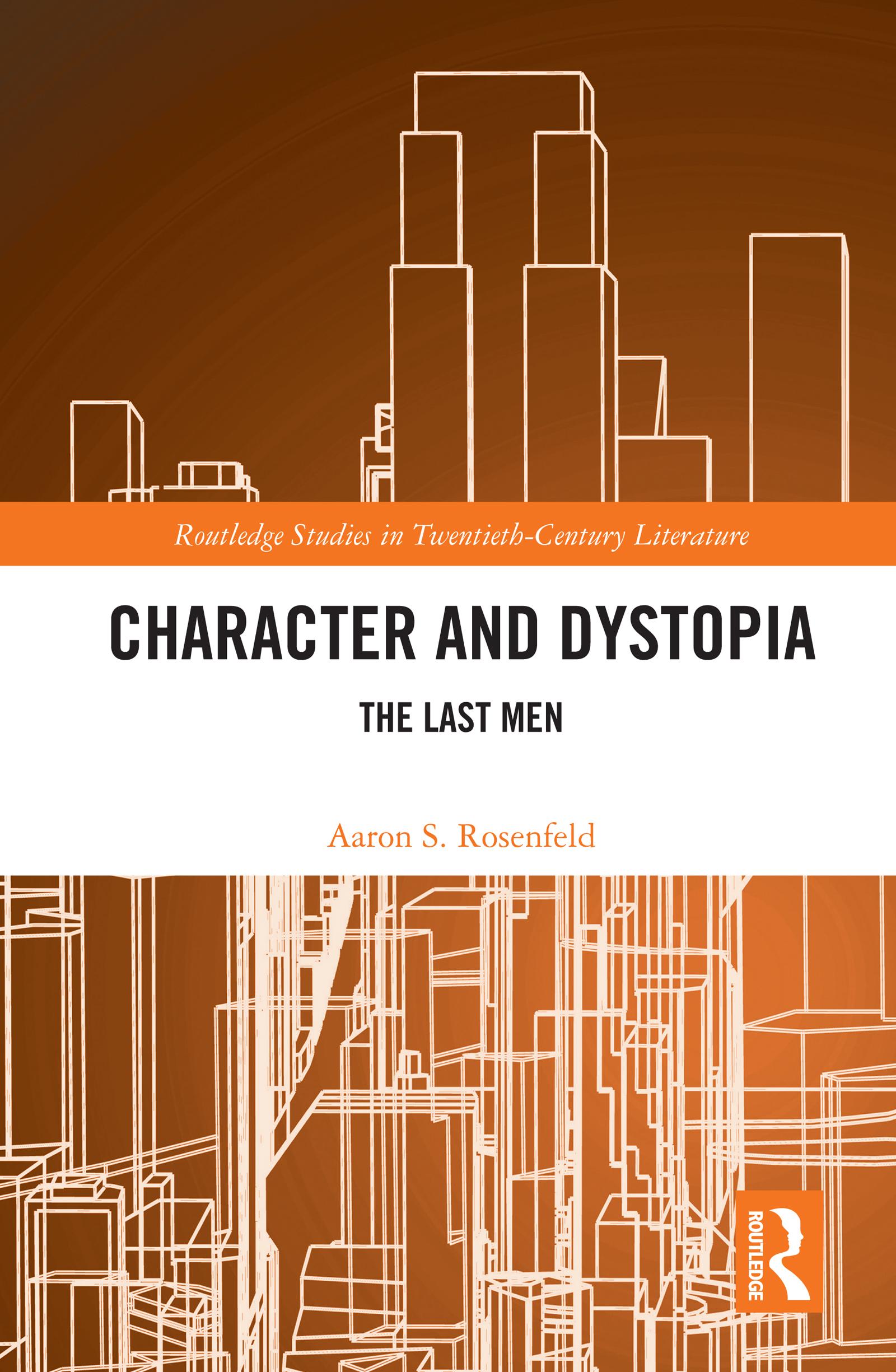
This is the first extended study to specifically focus on character in dystopia. Through the lens of the "last man" figure, Character and Dystopia: The Last Men examines character development in Yevgeny Zamyatin’s We, Anthony Burgess’s A Clockwork Orange, Kazuo Ishiguro’s Never Let Me Go, Fyodor Dostoevsky’s Notes from Underground, George Orwell’s Nineteen Eighty-Four, Nathanael West’s A Cool Million, David Mamet’s Glengarry Glen Ross, Octavia Butler’s Parable of the Sower, Lois Lowry’s The Giver, Michel Houellebecq’s Submission, Chan Koonchung’s The Fat Years, and Maggie Shen King’s An Excess Male, showing how in the 20th and 21st centuries dystopian nostalgia shades into reactionary humanism, a last stand mounted in defense of forms of subjectivity no longer supported by modernity. Unlike most work on dystopia that emphasizes dystopia’s politics, this book’s approach grows out of questions of poetics: What are the formal structures by which dystopian character is constructed? How do dystopian characters operate differently than other characters, within texts and upon the reader? What is the relation between this character and other forms of literary character, such as are found in romantic and modernist texts? By reading character as crucial to the dystopian project, the book makes a case for dystopia as a sensitive register of modern anxieties about subjectivity and its portrayal in literary works.
Zahle einfach mit Karte, Klarna, Apple Pay oder Google Pay. Nicht zufrieden? Du hast immer ein 14-tägiges Widerrufsrecht. Lies mehr in unseren AGB. Hast du Fragen, schreib uns eine E-Mail an hello@memmo.org.
Memmo macht das Lernen einfacher – wo auch immer du bist. Bei uns findest du deine Kursbücher und smarte Lerntools an einem Ort: Zusammenfassungen, Quizzes, Podcasts und Lernkarten. Und Ted, dein Lernbuddy, beantwortet alles, was du wissen möchtest. Über 50.000 Studierende lernen bereits hier – gemacht, damit du schneller lernst und weniger Stress hast.