
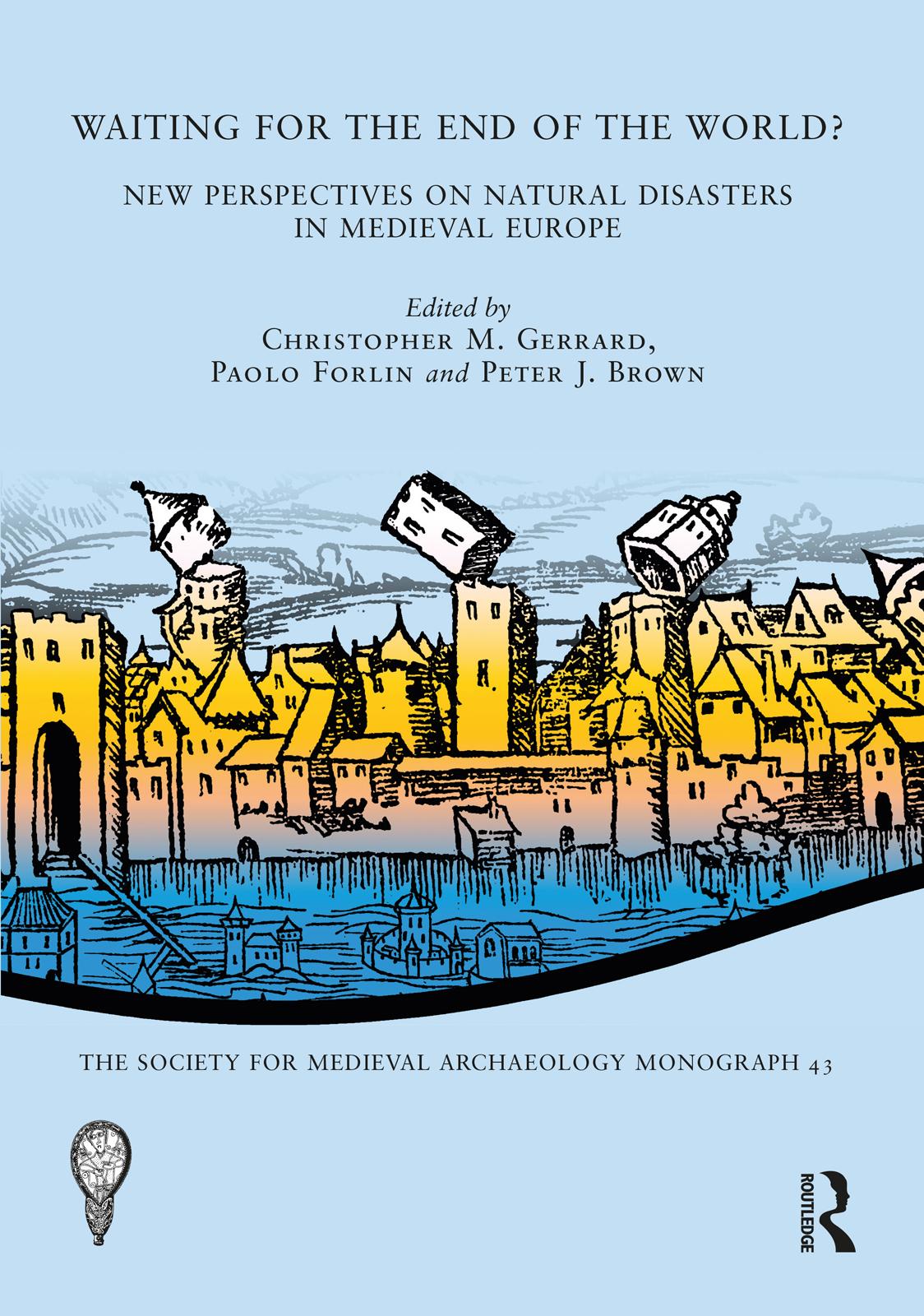
Waiting for the End of the World? addresses the archaeological, architectural, historical and geological evidence for natural disasters in the Middle Ages between the 11th and 16th centuries. This volume adopts a fresh interdisciplinary approach to explore the many ways in which environmental hazards affected European populations and, in turn, how medieval communities coped and responded to short- and long-term consequences. Three sections, which focus on geotectonic hazards (Part I), severe storms and hydrological hazards (Part II) and biophysical hazards (Part III), draw together 18 papers of the latest research while additional detail is provided in a catalogue of the 20 most significant disasters to have affected Europe during the period. These include earthquakes, landslides, tsunamis, storms, floods and outbreaks of infectious diseases. Spanning Europe, from the British Isles to Italy and from the Canary Islands to Cyprus, these contributions will be of interest to earth scientists, geographers, historians, sociologists, anthropologists and climatologists, but are also relevant to students and non-specialist readers interested in medieval archaeology and history, as well as those studying human geography and disaster studies. Despite a different set of beliefs relating to the natural world and protection against environmental hazards, the evidence suggests that medieval communities frequently adopted a surprisingly ‘modern’, well-informed and practically minded outlook.
Zahle einfach mit Karte, Klarna, Apple Pay oder Google Pay. Nicht zufrieden? Du hast immer ein 14-tägiges Widerrufsrecht. Lies mehr in unseren AGB. Hast du Fragen, schreib uns eine E-Mail an hello@memmo.org.
Memmo macht das Lernen einfacher – wo auch immer du bist. Bei uns findest du deine Kursbücher und smarte Lerntools an einem Ort: Zusammenfassungen, Quizzes, Podcasts und Lernkarten. Und Ted, dein Lernbuddy, beantwortet alles, was du wissen möchtest. Über 50.000 Studierende lernen bereits hier – gemacht, damit du schneller lernst und weniger Stress hast.