
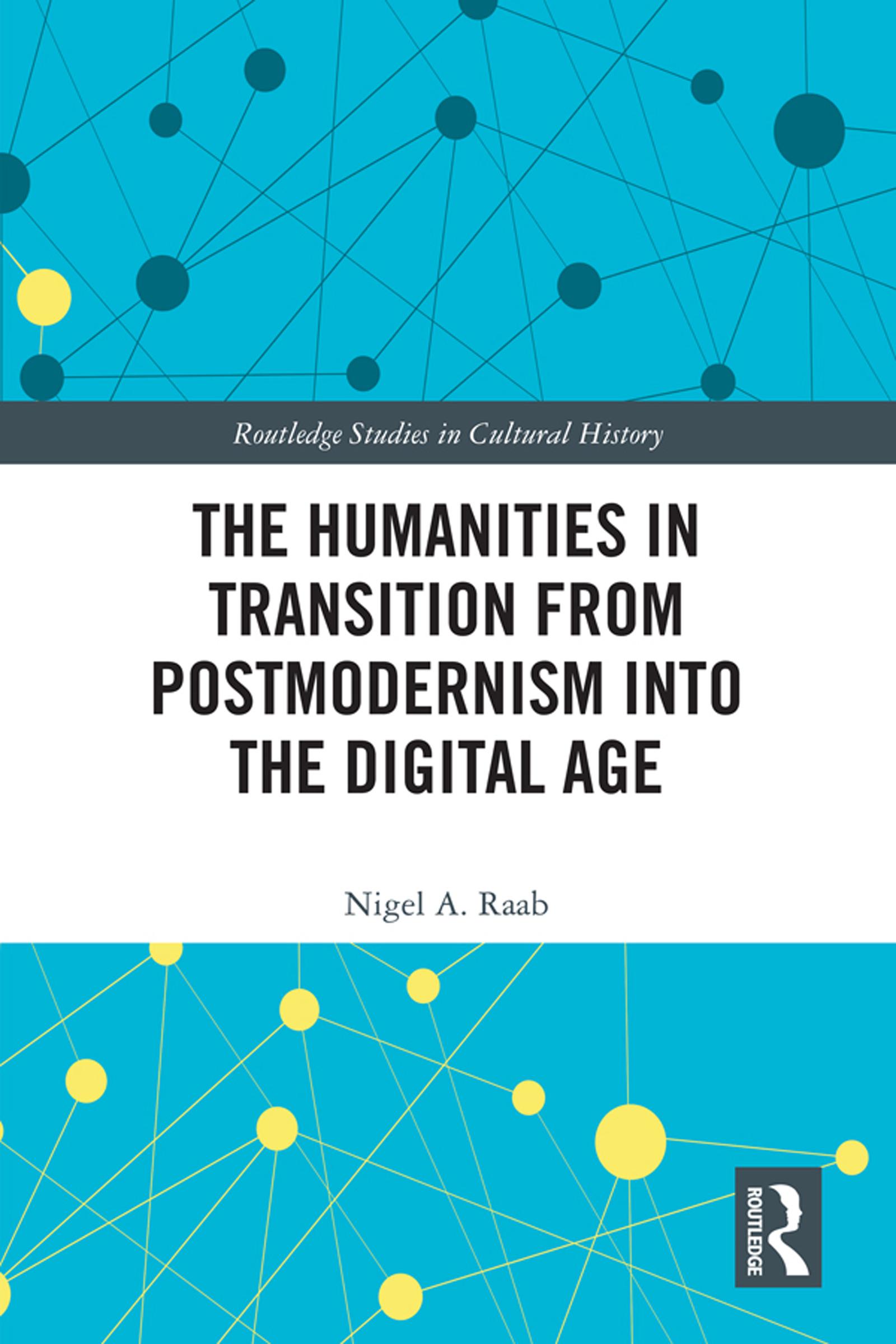
The Humanities in Transition explores how the basic components of the digital age will have an impact on the most trusted theories of humanists. Over the past two generations, humanists have come to take basic postmodern theories for granted whether on language, knowledge or time. Yet Michel Foucault, Jacques Derrida and similar philosophers developed their ideas when the impact of this digital world could barely be imagined. The digital world, built on algorithms and massive amounts of data, operates on radically different principles.
This volume analyzes these differences, demonstrating where an aging postmodernism cannot keep pace with today’s technologies. The book first introduces the major influence postmodern had on global thought before turning to algorithms, digital space, digital time, data visuals and the concept to digital forgeries. By taking a closer look at these themes, it establishes a platform to create more robust humanist theories for the third millennium. This book will appeal to graduate students and established scholars in the Digital Humanities who are looking for diverse and energetic theoretical approaches that can truly come to terms with the digital world.
Zahle einfach mit Karte, Klarna, Apple Pay oder Google Pay. Nicht zufrieden? Du hast immer ein 14-tägiges Widerrufsrecht. Lies mehr in unseren AGB. Hast du Fragen, schreib uns eine E-Mail an hello@memmo.org.
Memmo macht das Lernen einfacher – wo auch immer du bist. Bei uns findest du deine Kursbücher und smarte Lerntools an einem Ort: Zusammenfassungen, Quizzes, Podcasts und Lernkarten. Und Ted, dein Lernbuddy, beantwortet alles, was du wissen möchtest. Über 50.000 Studierende lernen bereits hier – gemacht, damit du schneller lernst und weniger Stress hast.