
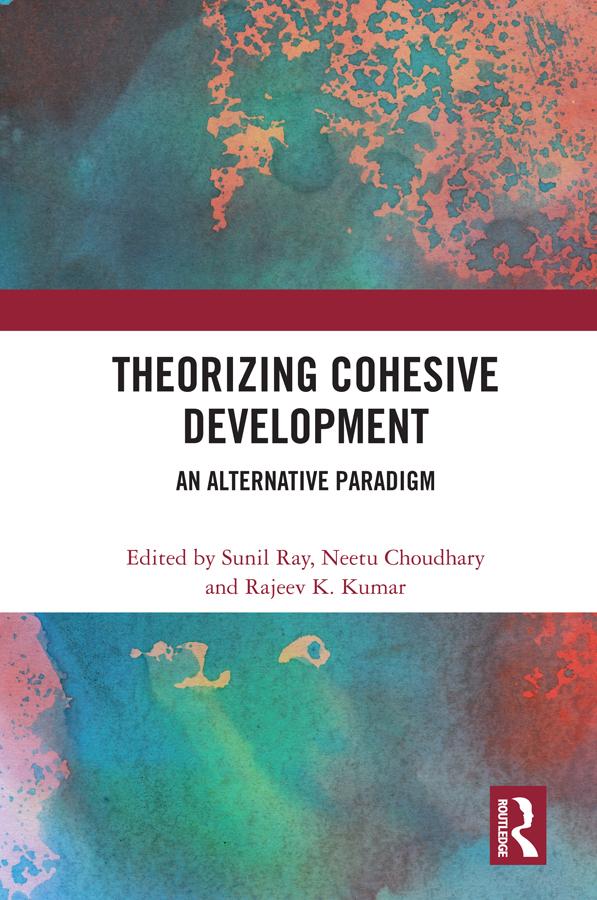
This volume proposes an alternative development paradigm to the existing capitalist extant one, and studies how it is distinctly different from the older system. Rooted in the principles of solidarity between humans, as well as between humans and nature, this alternative paradigm replaces the methodological individualism of capitalism by ‘reciprocal altruism’, a new logic of capital, to give pace and direction to the development process.
The essays in this volume highlight instances of various forms of solidarity that have emerged in the contemporary world—such as resistance movements of informal workers, the formation of an autonomous cooperative of self-employed waste pickers in India, called SWaCH, and Brazil and Cuba’s experiments with Social and Solidarity Economy (SSE)—to achieve long sustaining cohesive development. They also provide recommendations as to how the State can mold its development process to the benefit of marginalized communities, especially in India and Bangladesh.
Featuring insights from leading experts in the field, Theorizing Cohesive Development will be an indispensable read for students and researchers of development studies, economics, political economy, political science and sociology, minority studies and Asian studies.
Zahle einfach mit Karte, Klarna, Apple Pay oder Google Pay. Nicht zufrieden? Du hast immer ein 14-tägiges Widerrufsrecht. Lies mehr in unseren AGB. Hast du Fragen, schreib uns eine E-Mail an hello@memmo.org.
Memmo macht das Lernen einfacher – wo auch immer du bist. Bei uns findest du deine Kursbücher und smarte Lerntools an einem Ort: Zusammenfassungen, Quizzes, Podcasts und Lernkarten. Und Ted, dein Lernbuddy, beantwortet alles, was du wissen möchtest. Über 50.000 Studierende lernen bereits hier – gemacht, damit du schneller lernst und weniger Stress hast.