
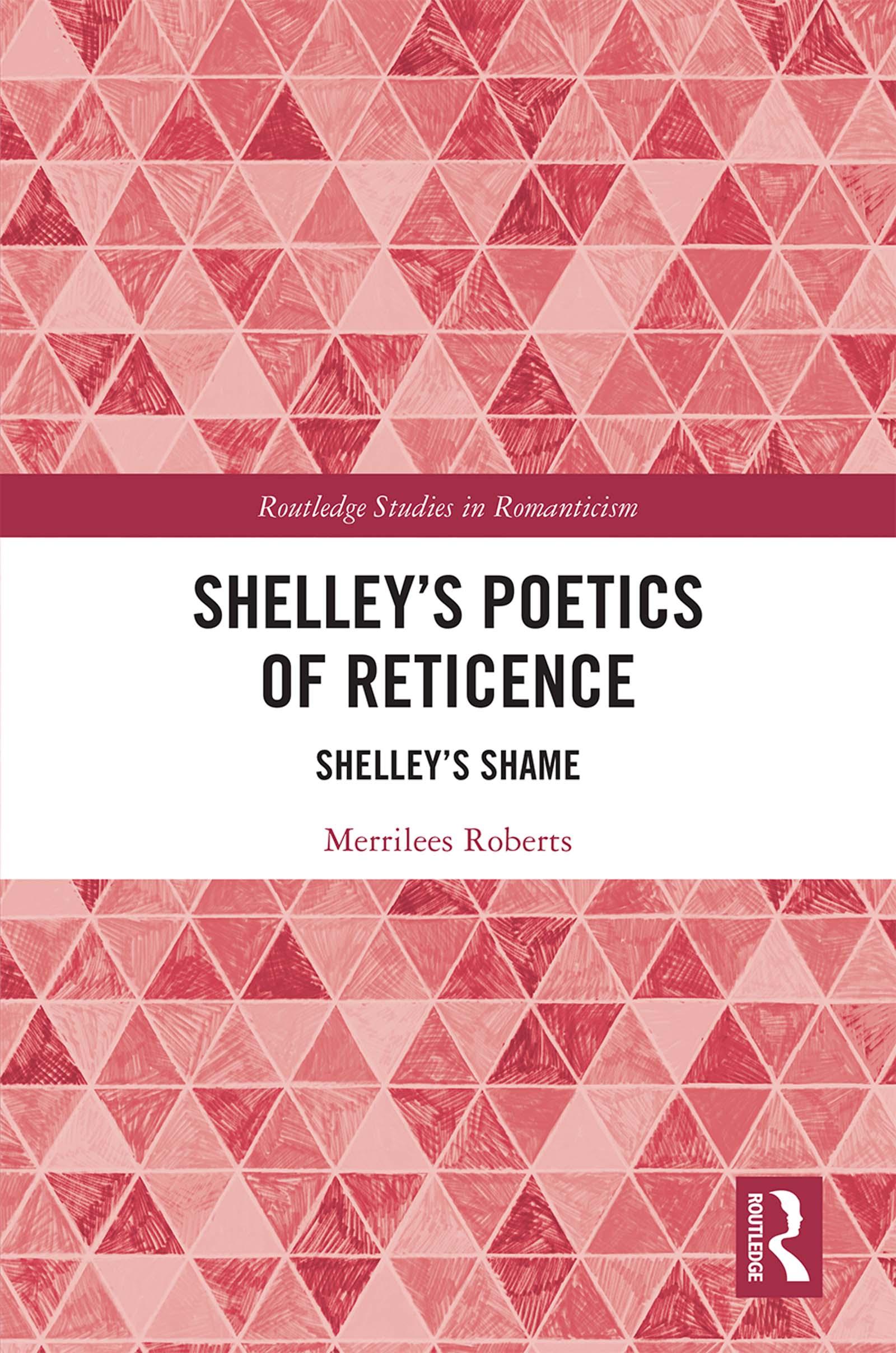
Exploring the rhetorical and phenomenological links between shame and reticence, this book examines the psychology of Shelley’s anguished poet-Subject. Shelley’s struggles with the fragility of the ‘self’ have largely been seen as the result of thinking which connects emotional hyperstimulation to moral and political undermining of the individual ‘will’. This work takes a different approach, suggesting that Shelley’s insecurities stemmed from anxieties about the nature of aesthetic self-representation. Shame is an appropriate affective marker of such anxiety because it occurs at the cusp between internal and external self-evaluation. Shelley’s reticent poetics transfers an affective sense of shame to the reader and provokes interpretive responsibility. Paying attention to the affective contours of texts, this book presents new readings of Shelley’s major works. These interpretations show that awakening the reader’s ethical discretion creates a constructive dynamic which challenges influential deconstructive readings of the unfinished nature of Shelley’s work and thought.
Zahle einfach mit Karte, Klarna, Apple Pay oder Google Pay. Nicht zufrieden? Du hast immer ein 14-tägiges Widerrufsrecht. Lies mehr in unseren AGB. Hast du Fragen, schreib uns eine E-Mail an hello@memmo.org.
Memmo macht das Lernen einfacher – wo auch immer du bist. Bei uns findest du deine Kursbücher und smarte Lerntools an einem Ort: Zusammenfassungen, Quizzes, Podcasts und Lernkarten. Und Ted, dein Lernbuddy, beantwortet alles, was du wissen möchtest. Über 50.000 Studierende lernen bereits hier – gemacht, damit du schneller lernst und weniger Stress hast.