
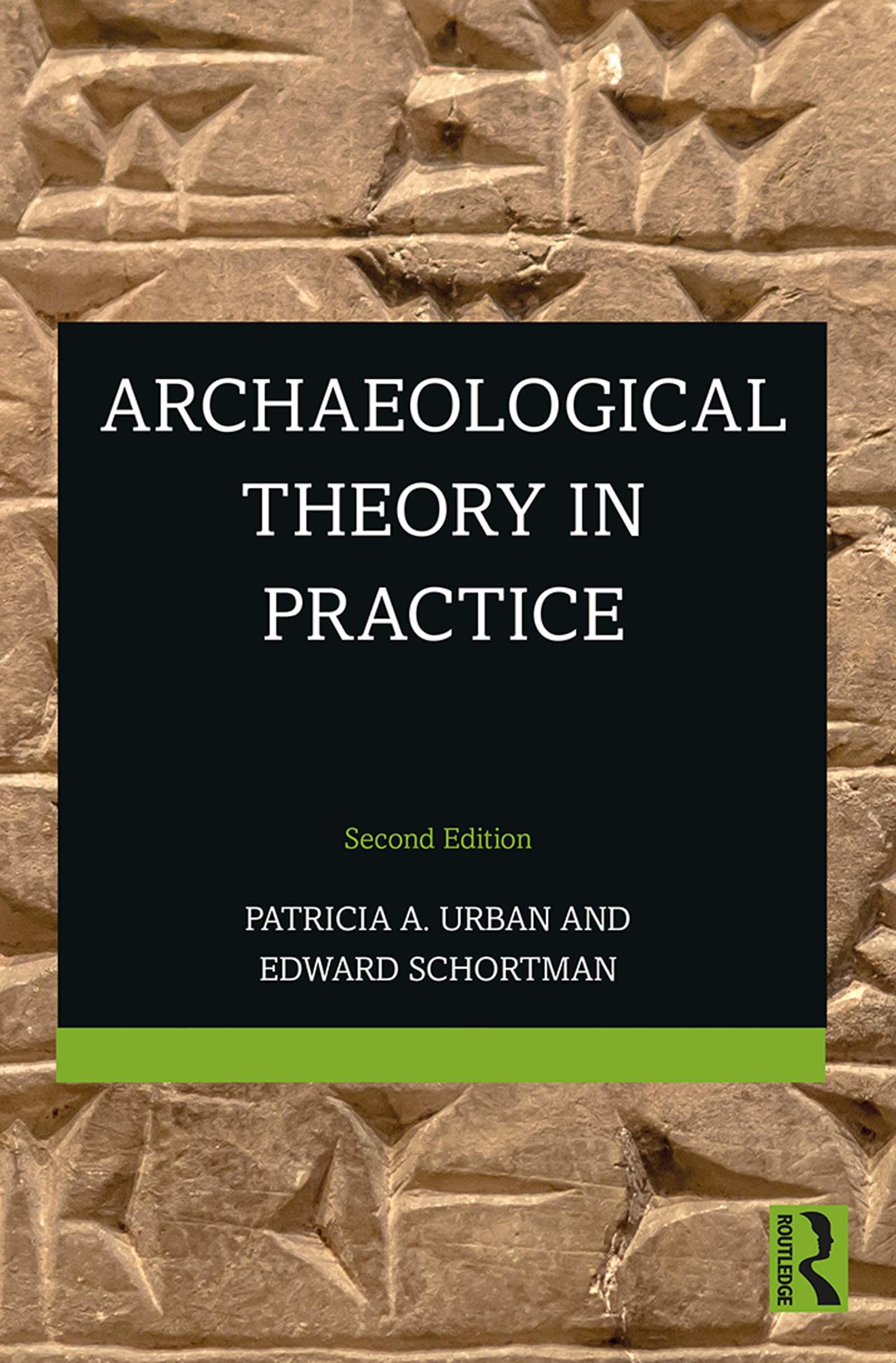
Many students view archaeological theory as a subject distinct from field research. This division is reinforced by the way theory is taught, often in stand-alone courses that focus more on logic and reasoning than on the application of ideas to fieldwork. Divorcing thought from action does not convey how archaeologists go about understanding the past.
This book bridges the gap between theory and practice by looking in detail at how the authors and their colleagues used theory to interpret what they found while conducting research in northwest Honduras. This is not a linear narrative. Rather, the book highlights the open-ended nature of archaeological investigations in which theories guide research whose findings may challenge these initial interpretations and lead in unexpected directions. Pursuing those novel investigations requires new theories that are themselves subject to refutation by newly gathered data. The central case study is the writers’ work in Honduras. The interrelations of fieldwork, data, theory, and interpretation are also illustrated with two long-running archaeological debates, the emergence of inequality in southern Mesopotamia and inferring the ancient meanings of Stonehenge.
The book is of special interest to undergraduate Anthropology/Archaeology majors and first- and second-year graduate students, along with anyone interested in how archaeologists convert the static materials we find into dynamic histories of long-vanished people.
Zahle einfach mit Karte, Klarna, Apple Pay oder Google Pay. Nicht zufrieden? Du hast immer ein 14-tägiges Widerrufsrecht. Lies mehr in unseren AGB. Hast du Fragen, schreib uns eine E-Mail an hello@memmo.org.
Memmo macht das Lernen einfacher – wo auch immer du bist. Bei uns findest du deine Kursbücher und smarte Lerntools an einem Ort: Zusammenfassungen, Quizzes, Podcasts und Lernkarten. Und Ted, dein Lernbuddy, beantwortet alles, was du wissen möchtest. Über 50.000 Studierende lernen bereits hier – gemacht, damit du schneller lernst und weniger Stress hast.