
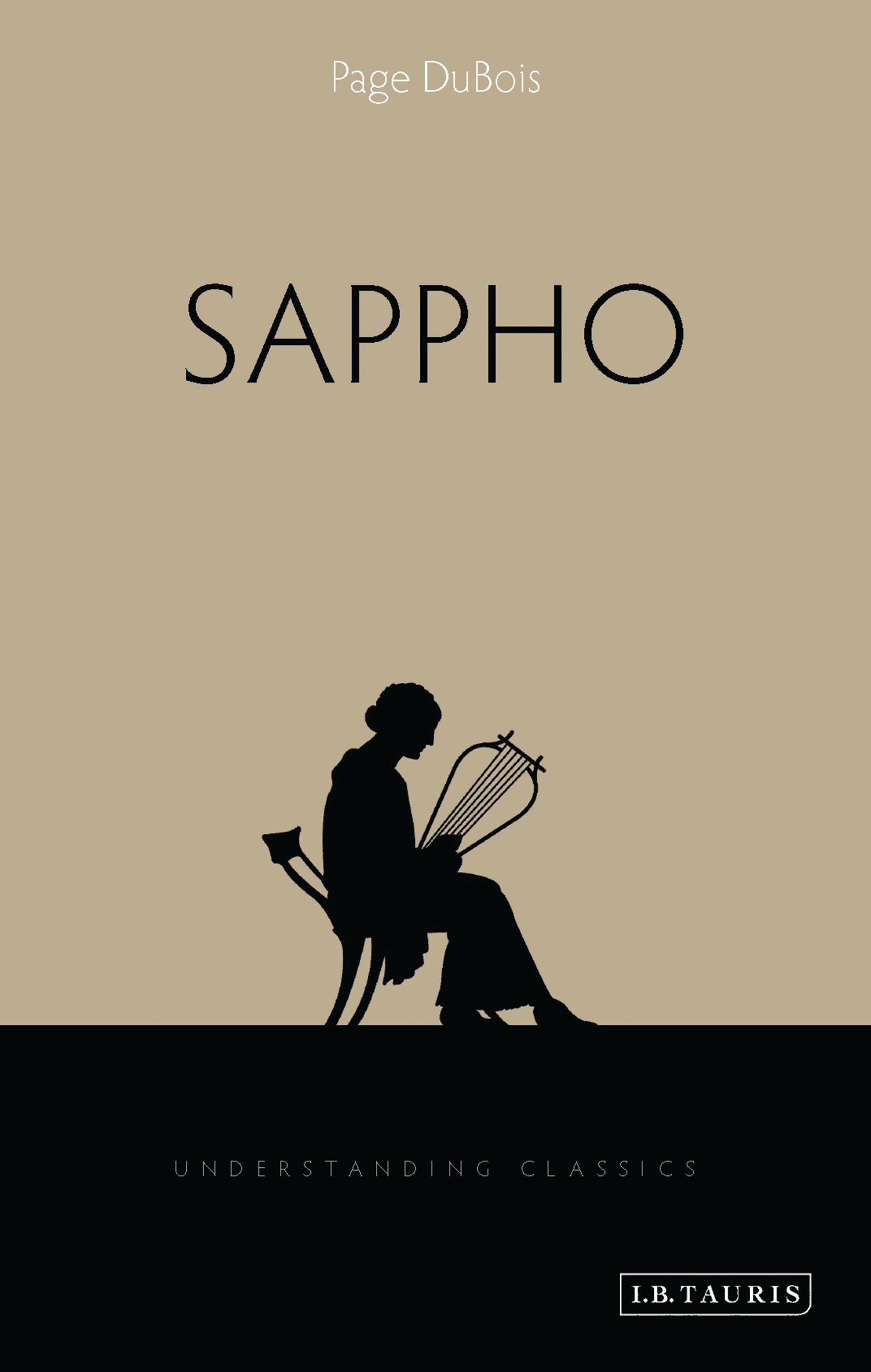
Sappho has been constructed as many things: proto-feminist, lesbian icon and even - by the Victorians - chaste headmistress of a girls' finishing school. Yet ironically, as Page DuBois shows, the historical poet herself remains elusive. We know that Sappho's contemporary Alcaeus described her as 'violet, pure, honey-smiling Sappho'; and that the rhetorician and philosopher Maximus of Tyre saw her, perhaps less enthusiastically, as 'small and dark'. We also know that her 7th/6th century BCE island of Lesbos was riven by tyrannical and aristocratic factionalism and that she was probably exiled to Sicily. Much of the rest is speculative. DuBois suggests that the value of Sappho lies elsewhere: in her remarkable verse, and in the poet's reception - one of the richest of any figure from antiquity. Offering nuanced readings of the poems, written in an archaic Aeolic dialect, DuBois skillfully draws out their sharp images and rhythmic melody. She further discusses the exciting discovery of a new verse fragment in 2004, and the ways in which Sappho influenced Catullus, Horace and Ovid, as well as later writers and painters.
Zahle einfach mit Karte, Klarna, Apple Pay oder Google Pay. Nicht zufrieden? Du hast immer ein 14-tägiges Widerrufsrecht. Lies mehr in unseren AGB. Hast du Fragen, schreib uns eine E-Mail an hello@memmo.org.
Memmo macht das Lernen einfacher – wo auch immer du bist. Bei uns findest du deine Kursbücher und smarte Lerntools an einem Ort: Zusammenfassungen, Quizzes, Podcasts und Lernkarten. Und Ted, dein Lernbuddy, beantwortet alles, was du wissen möchtest. Über 50.000 Studierende lernen bereits hier – gemacht, damit du schneller lernst und weniger Stress hast.