
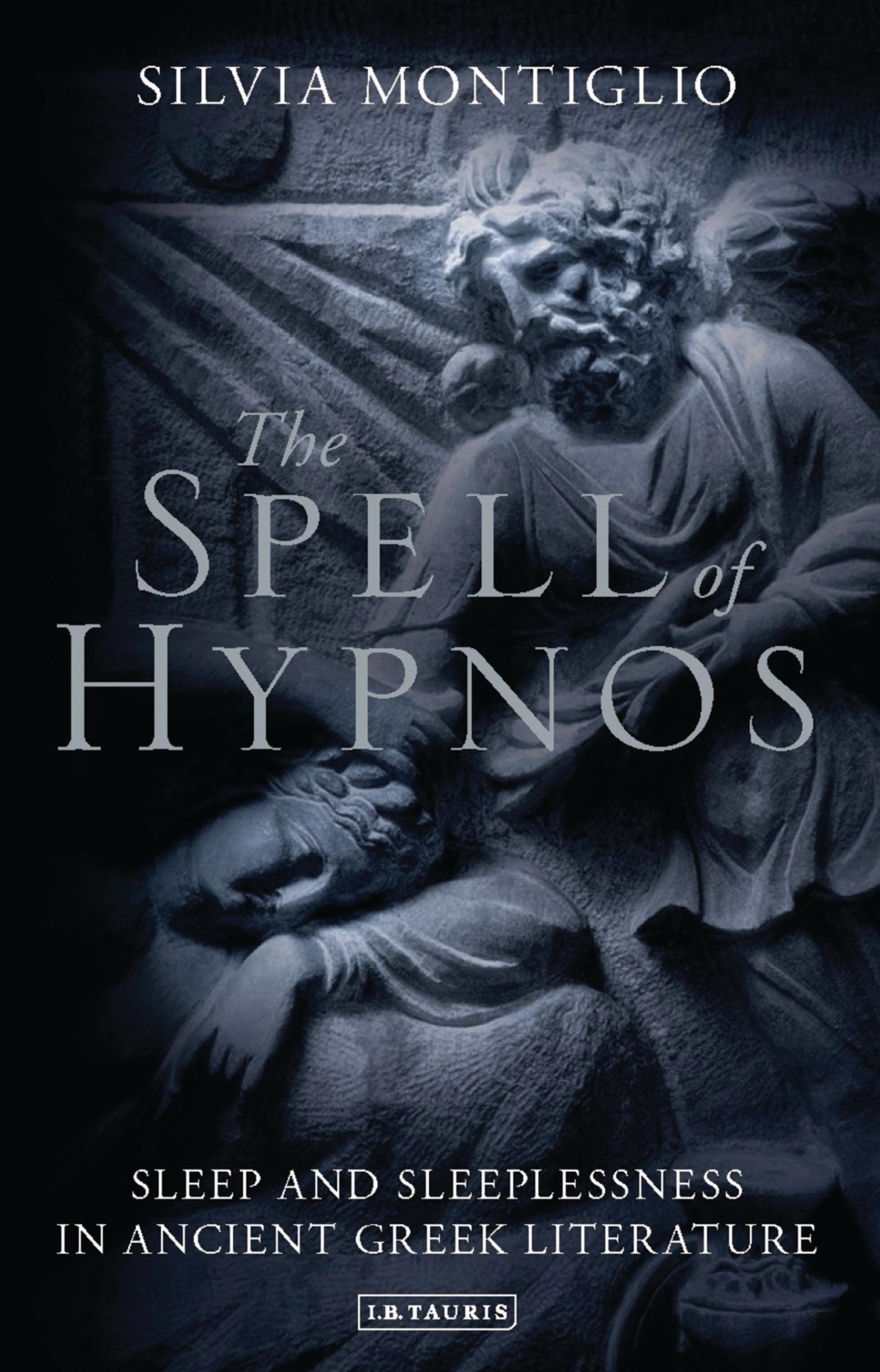
Sleep was viewed as a boon by the ancient Greeks: sweet, soft, honeyed, balmy, care-loosening, as the Iliad has it. But neither was sleep straightforward, nor safe. It could be interrupted, often by a dream. It could be the site of dramatic intervention by a god or goddess. It might mark the transition in a narrative relationship, as when Penelope for the first time in weeks slumbers happily through Odysseus' vengeful slaughter of her suitors. Silvia Montiglio's imaginative and comprehensive study of the topic illuminates the various ways in which writers in antiquity used sleep to deal with major aspects of plot and character development. The author shows that sleeplessness, too, carries great weight in classical literature. Doom hangs by a thread as Agamemnon - in Iphigenia in Aulis - paces, restless and sleepless, while around him everyone else dozes on. Exploring recurring tropes of somnolence and wakefulness in the Iliad, the Odyssey, Athenian drama, the Argonautica and ancient novels by Xenophon, Chariton, Heliodorus and Achilles Tatius, this is a unique contribution to better understandings of ancient Greek writing.
Zahle einfach mit Karte, Klarna, Apple Pay oder Google Pay. Nicht zufrieden? Du hast immer ein 14-tägiges Widerrufsrecht. Lies mehr in unseren AGB. Hast du Fragen, schreib uns eine E-Mail an hello@memmo.org.
Memmo macht das Lernen einfacher – wo auch immer du bist. Bei uns findest du deine Kursbücher und smarte Lerntools an einem Ort: Zusammenfassungen, Quizzes, Podcasts und Lernkarten. Und Ted, dein Lernbuddy, beantwortet alles, was du wissen möchtest. Über 50.000 Studierende lernen bereits hier – gemacht, damit du schneller lernst und weniger Stress hast.