
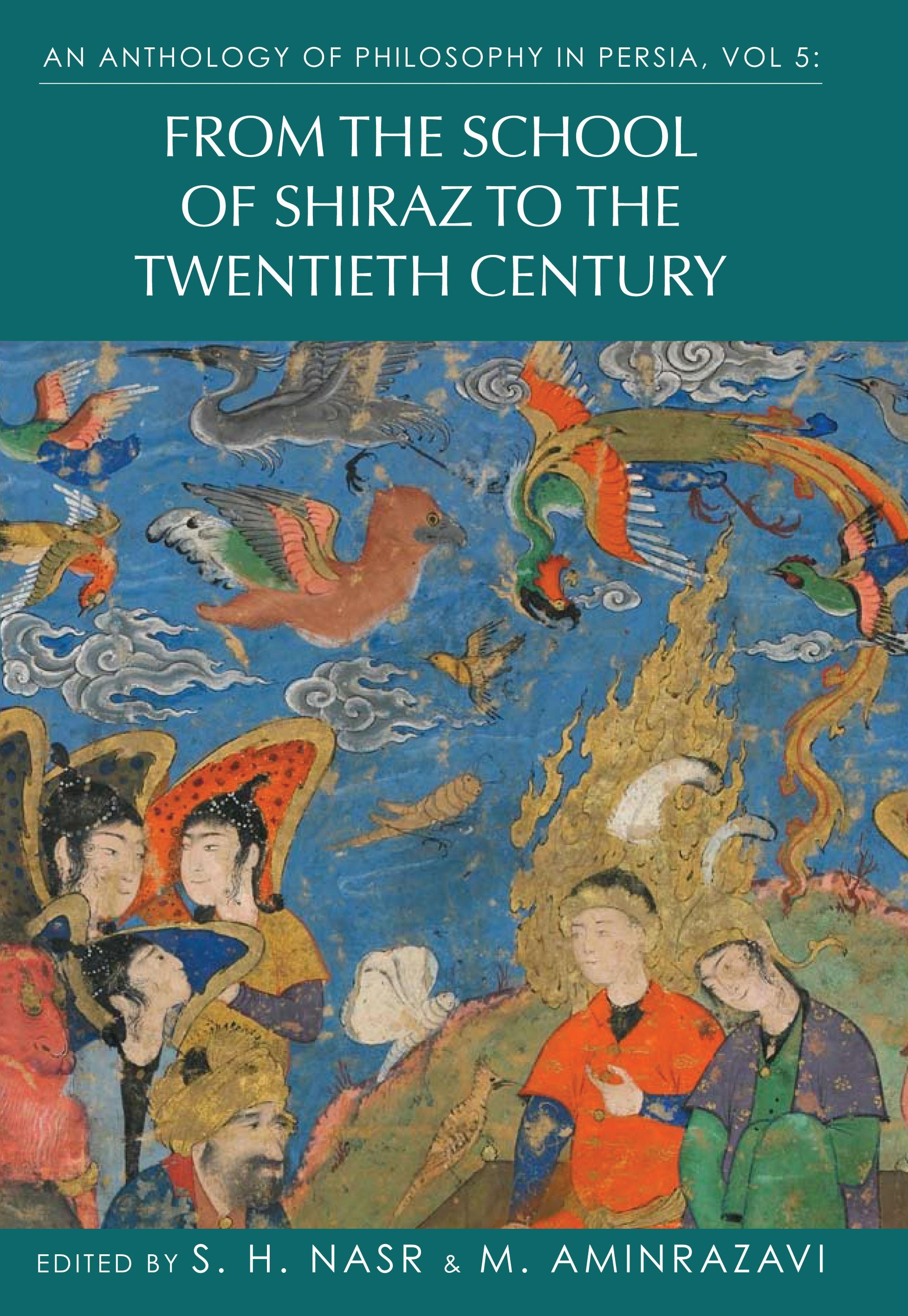
Persia is home to one of the few civilizations in the world that has had a continuous tradition of philosophical thought lasting more than two and a half millennia. From the time Zoroaster brought the Gathas, the sacred scripture of Zoroastrianism, until today, it has had a philosophical tradition comprising diverse schools and various languages including Avestan and Pahlavi as well as Arabic and Persian. The West has seen surveys of Persian art and anthologies of Persian literature, but this work is the first to present a millennial tradition of philosophy in Persia in the form of translated selections and introductory sections for each period and figure. Existing translations have been used where possible but most of the selections have been newly translated for this work which, with the help of the explanatory introductions, makes possible an intellectual journey into a philosophical continent much of which has been uncharted for Westerners until now. The fifth and final volume of An Anthology of Philosophy in Persia deals with some seven centuries of Islamic thought stretching from the era following the Mongol invasion to the end of the Qajar period.
Organized around the cities which became the main centres of philosophical activity during this long period, the volume is divided into three parts: 'The School of Shiraz', whose importance not only for Persia but also for Ottoman Turkey and Muslim India is only now being recognized; 'The School of Isfahan', which marks the integration of some eight centuries of Islamic thought and culminates with Mulla Sadra; and finally 'The School of Tehran', where traditional philosophy first encountered modern thought in Persia, bringing this series into present times.
Organized around the cities which became the main centres of philosophical activity during this long period, the volume is divided into three parts: 'The School of Shiraz', whose importance not only for Persia but also for Ottoman Turkey and Muslim India is only now being recognized; 'The School of Isfahan', which marks the integration of some eight centuries of Islamic thought and culminates with Mulla Sadra; and finally 'The School of Tehran', where traditional philosophy first encountered modern thought in Persia, bringing this series into present times.
Zahle einfach mit Karte, Klarna, Apple Pay oder Google Pay. Nicht zufrieden? Du hast immer ein 14-tägiges Widerrufsrecht. Lies mehr in unseren AGB. Hast du Fragen, schreib uns eine E-Mail an hello@memmo.org.
Memmo macht das Lernen einfacher – wo auch immer du bist. Bei uns findest du deine Kursbücher und smarte Lerntools an einem Ort: Zusammenfassungen, Quizzes, Podcasts und Lernkarten. Und Ted, dein Lernbuddy, beantwortet alles, was du wissen möchtest. Über 50.000 Studierende lernen bereits hier – gemacht, damit du schneller lernst und weniger Stress hast.