
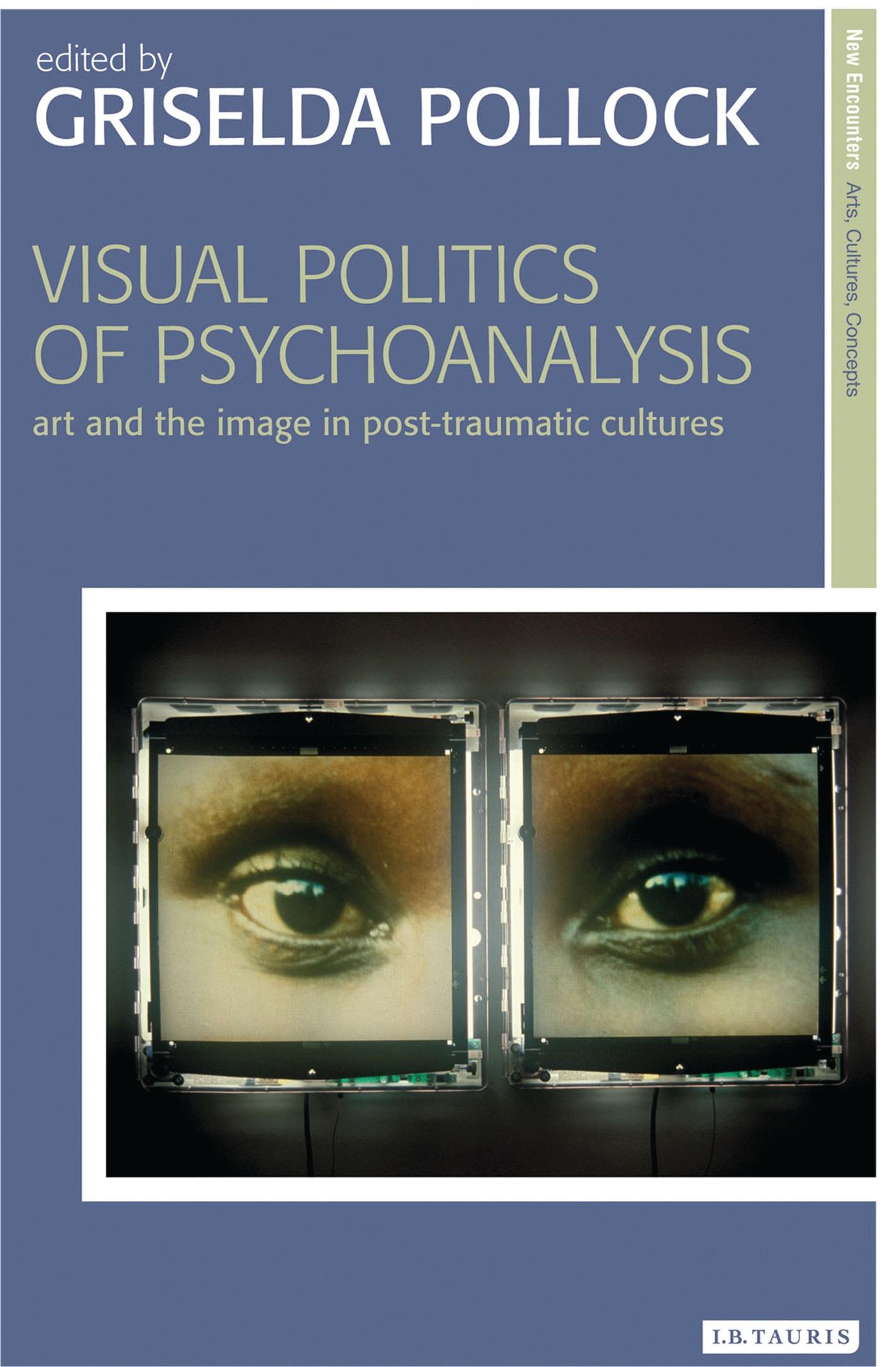
Activists working in post-traumatic societies have tended to resist psychoanalytical terms because they fear that pathologizing individual suffering displaces the collective and political causes of traumatic violence. In a contrary direction, some thinkers about discourse and power have latterly embraced what Judith Butler insists is 'the psychic life of power'. An openly psychoanalytical modelling of trauma for approaching major historical events such as the Holocaust adds yet a third position. Drawing on all three strands, this book poses the question of visual politics to psychoanalysis. It also explores the relevance of the many psychoanalyses to the study of art and other images in post-traumatic conditions. Visual Politics of Psychoanalysis builds on maverick art historian Aby Warburg's project of combining social, cultural, anthropological and psychological analyses of the image in order to track the undercurrents of cultural violence in the representational repertoire of Western modernity.
In this innovative collection, a distinguished group of international authors dare to think psychoanalytically about the legacies of political violence and suffering in relation to post-traumatic cultures worldwide. Drawing on post-colonial and feminist theory, they analyse the image and the aesthetic in conditions of historical trauma from enslavement and colonisation to the Irish Famine, from Denmark's national trauma about migrants and cartoons to collective shock after 9/11, from individual traumas of loss registered in allegory to newsreels and documentaries on suicide bombing in Israel/Palestine, from Kristeva's novels to Kathryn Bigelow's cinema.
In this innovative collection, a distinguished group of international authors dare to think psychoanalytically about the legacies of political violence and suffering in relation to post-traumatic cultures worldwide. Drawing on post-colonial and feminist theory, they analyse the image and the aesthetic in conditions of historical trauma from enslavement and colonisation to the Irish Famine, from Denmark's national trauma about migrants and cartoons to collective shock after 9/11, from individual traumas of loss registered in allegory to newsreels and documentaries on suicide bombing in Israel/Palestine, from Kristeva's novels to Kathryn Bigelow's cinema.
Zahle einfach mit Karte, Klarna, Apple Pay oder Google Pay. Nicht zufrieden? Du hast immer ein 14-tägiges Widerrufsrecht. Lies mehr in unseren AGB. Hast du Fragen, schreib uns eine E-Mail an hello@memmo.org.
Memmo macht das Lernen einfacher – wo auch immer du bist. Bei uns findest du deine Kursbücher und smarte Lerntools an einem Ort: Zusammenfassungen, Quizzes, Podcasts und Lernkarten. Und Ted, dein Lernbuddy, beantwortet alles, was du wissen möchtest. Über 50.000 Studierende lernen bereits hier – gemacht, damit du schneller lernst und weniger Stress hast.