
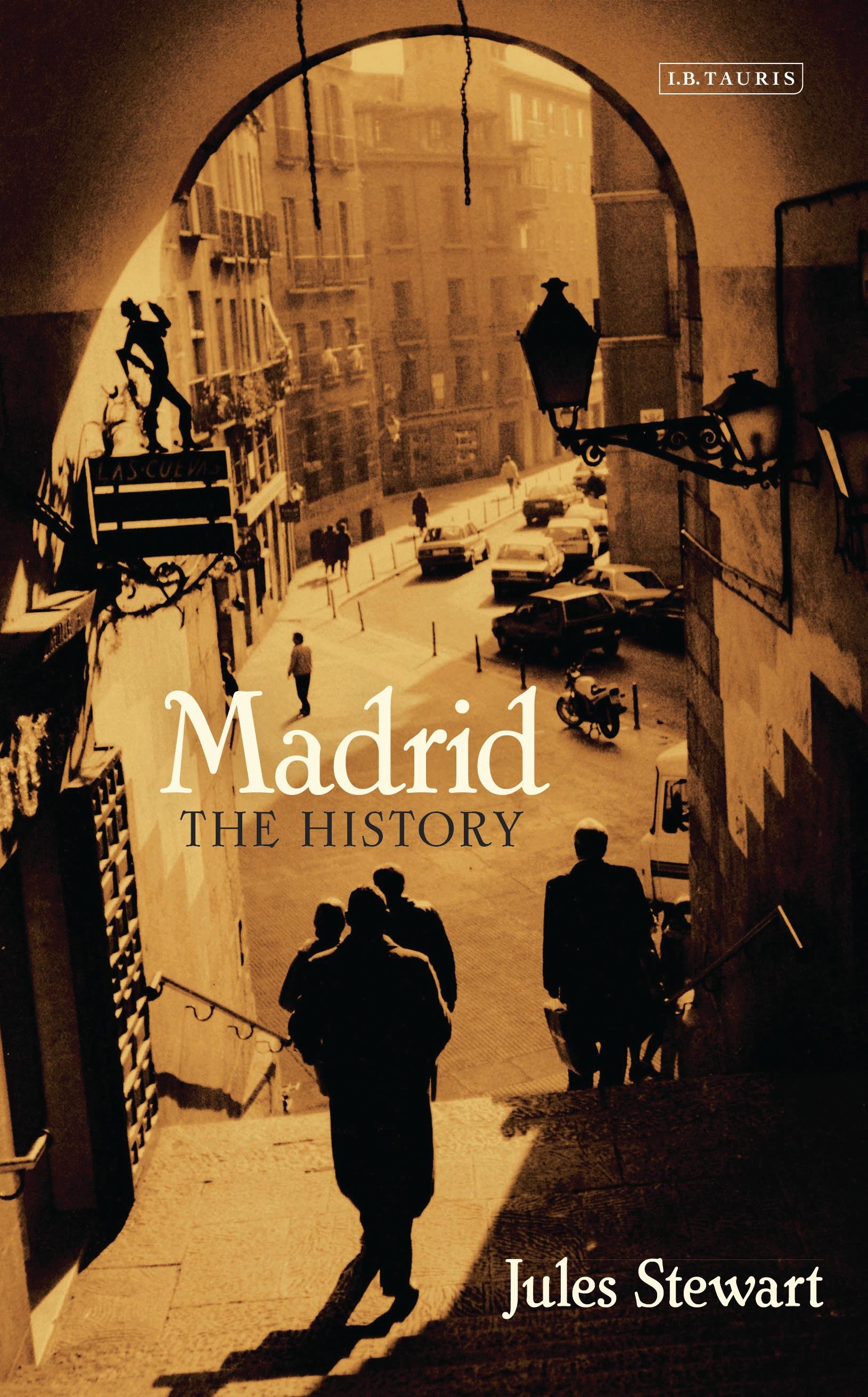
At the heart of the Castilian plateau, far from the coastal towns and ports of Spain, sits the great city of Madrid. Perched some 2,200 feet above the distant sea, it is at once the loftiest and also the most enigmatic of Europe's capitals: hard to decipher for the Spanish and for foreigners alike.
Its intense character and the abrupt manner and hectic lifestyle of the Madrileños can make even other Spaniards feel exhausted. Yet, Madrid has a rich historical and cultural life which attracts almost 8 million visitors per year, drawn to its beautiful palaces and churches, the magnificent collections of the Prado and everywhere the echoes of a faded empire.
The grand entry of Fernando and Isabel to Madrid in the late-fifteenth century brought about the unification of Spain. However it was not until 1561 that Madrid was declared the capital. During Spain's golden age in the sixteenth and seventeenth centuries, Madrid was a centre of commerce – the hub of a global empire which stretched from the Andes to the Philippines – and of culture – the greatest Spanish writers and poets of the Spanish Renaissance, including Cervantes, Lope de Vega, Calderón de la Barca and Francisco de Quevedo, as well as the immortal Spanish painters Velázquez and Goya, all gained their fame working in Madrid. In the nineteenth and twentieth centuries Spain struggled against dictatorial rulers – from Napoleon to Franco – and witnessed a succession of wars and uprisings – from the Spanish War of Independence to the Spanish Civil War. Yet the city ultimately emerged triumphant and in the twenty-first century stands as the third-largest city in Europe.
Jules Stewart here provides an insider's account of Madrid and unveils the history and culture of one of Europe's most fascinating, but least-understood cities.
Its intense character and the abrupt manner and hectic lifestyle of the Madrileños can make even other Spaniards feel exhausted. Yet, Madrid has a rich historical and cultural life which attracts almost 8 million visitors per year, drawn to its beautiful palaces and churches, the magnificent collections of the Prado and everywhere the echoes of a faded empire.
The grand entry of Fernando and Isabel to Madrid in the late-fifteenth century brought about the unification of Spain. However it was not until 1561 that Madrid was declared the capital. During Spain's golden age in the sixteenth and seventeenth centuries, Madrid was a centre of commerce – the hub of a global empire which stretched from the Andes to the Philippines – and of culture – the greatest Spanish writers and poets of the Spanish Renaissance, including Cervantes, Lope de Vega, Calderón de la Barca and Francisco de Quevedo, as well as the immortal Spanish painters Velázquez and Goya, all gained their fame working in Madrid. In the nineteenth and twentieth centuries Spain struggled against dictatorial rulers – from Napoleon to Franco – and witnessed a succession of wars and uprisings – from the Spanish War of Independence to the Spanish Civil War. Yet the city ultimately emerged triumphant and in the twenty-first century stands as the third-largest city in Europe.
Jules Stewart here provides an insider's account of Madrid and unveils the history and culture of one of Europe's most fascinating, but least-understood cities.
Zahle einfach mit Karte, Klarna, Apple Pay oder Google Pay. Nicht zufrieden? Du hast immer ein 14-tägiges Widerrufsrecht. Lies mehr in unseren AGB. Hast du Fragen, schreib uns eine E-Mail an hello@memmo.org.
Memmo macht das Lernen einfacher – wo auch immer du bist. Bei uns findest du deine Kursbücher und smarte Lerntools an einem Ort: Zusammenfassungen, Quizzes, Podcasts und Lernkarten. Und Ted, dein Lernbuddy, beantwortet alles, was du wissen möchtest. Über 50.000 Studierende lernen bereits hier – gemacht, damit du schneller lernst und weniger Stress hast.