
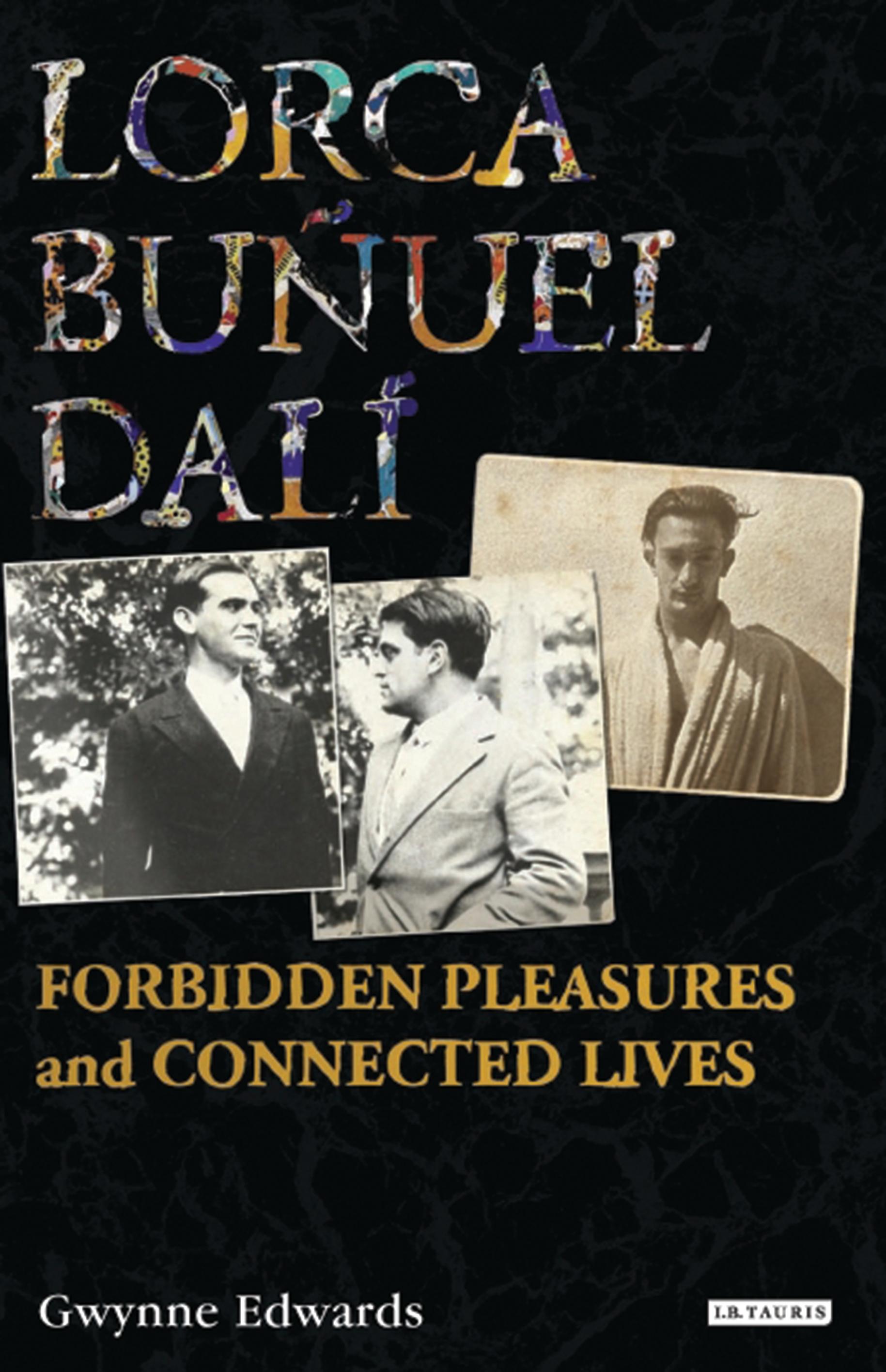
Lorca, Bunuel and Dali were, in their respective fields of poetry and theatre, cinema, and painting, three of the most imaginative creative artists of the twentieth century; their impact was felt far beyond the boundaries of their native Spain. But if individually they have been examined by many, their connected lives have rarely been considered. It is these, the ties that bind them, that constitute the subject of this illuminating book. They were born within six years of each other and, as Gwynne Edwards reveals, their childhood circumstances were very similar. Each was affected by a narrow-minded society and an intolerant religious background which equated sex with sin and led all three to experience sexual problems of different kinds: Lorca the guilt and anguish associated with his homosexuality; Bunuel feelings of sexual inhibition; and, Dali virtual impotence. Having met during the 1920s at the Residencia de Estudiantes in Madrid, they developed intense personal relationships and channelled their respective obsessions into the cultural forms then prevalent in Europe, in particular Surrealism.
Rooted in emotional turmoil, their work - from Lorca's dramatic characters in search of sexual fulfilment, to Bunuel's frustrated men and women, and Dali's potent images of shame and guilt - is highly autobiographical. Their left-wing outrage directed at bourgeois values and the Catholic Church was strongly felt, and in the case of Lorca in particular, was sharpened by the catastrophic Civil War of 1936-9, during the first months of which he was murdered by Franco's fascists. The war hastened Bunuel's departure to France and Mexico and Dali's to New York. Edwards describes how, for the rest of his life, Bunuel clung to his left-wing ideals and made outstanding films, while the increasingly eccentric and money-obsessed Dali embraced Fascism and the Catholic Church, and saw his art go into rapid decline.
Rooted in emotional turmoil, their work - from Lorca's dramatic characters in search of sexual fulfilment, to Bunuel's frustrated men and women, and Dali's potent images of shame and guilt - is highly autobiographical. Their left-wing outrage directed at bourgeois values and the Catholic Church was strongly felt, and in the case of Lorca in particular, was sharpened by the catastrophic Civil War of 1936-9, during the first months of which he was murdered by Franco's fascists. The war hastened Bunuel's departure to France and Mexico and Dali's to New York. Edwards describes how, for the rest of his life, Bunuel clung to his left-wing ideals and made outstanding films, while the increasingly eccentric and money-obsessed Dali embraced Fascism and the Catholic Church, and saw his art go into rapid decline.
Zahle einfach mit Karte, Klarna, Apple Pay oder Google Pay. Nicht zufrieden? Du hast immer ein 14-tägiges Widerrufsrecht. Lies mehr in unseren AGB. Hast du Fragen, schreib uns eine E-Mail an hello@memmo.org.
Memmo macht das Lernen einfacher – wo auch immer du bist. Bei uns findest du deine Kursbücher und smarte Lerntools an einem Ort: Zusammenfassungen, Quizzes, Podcasts und Lernkarten. Und Ted, dein Lernbuddy, beantwortet alles, was du wissen möchtest. Über 50.000 Studierende lernen bereits hier – gemacht, damit du schneller lernst und weniger Stress hast.