
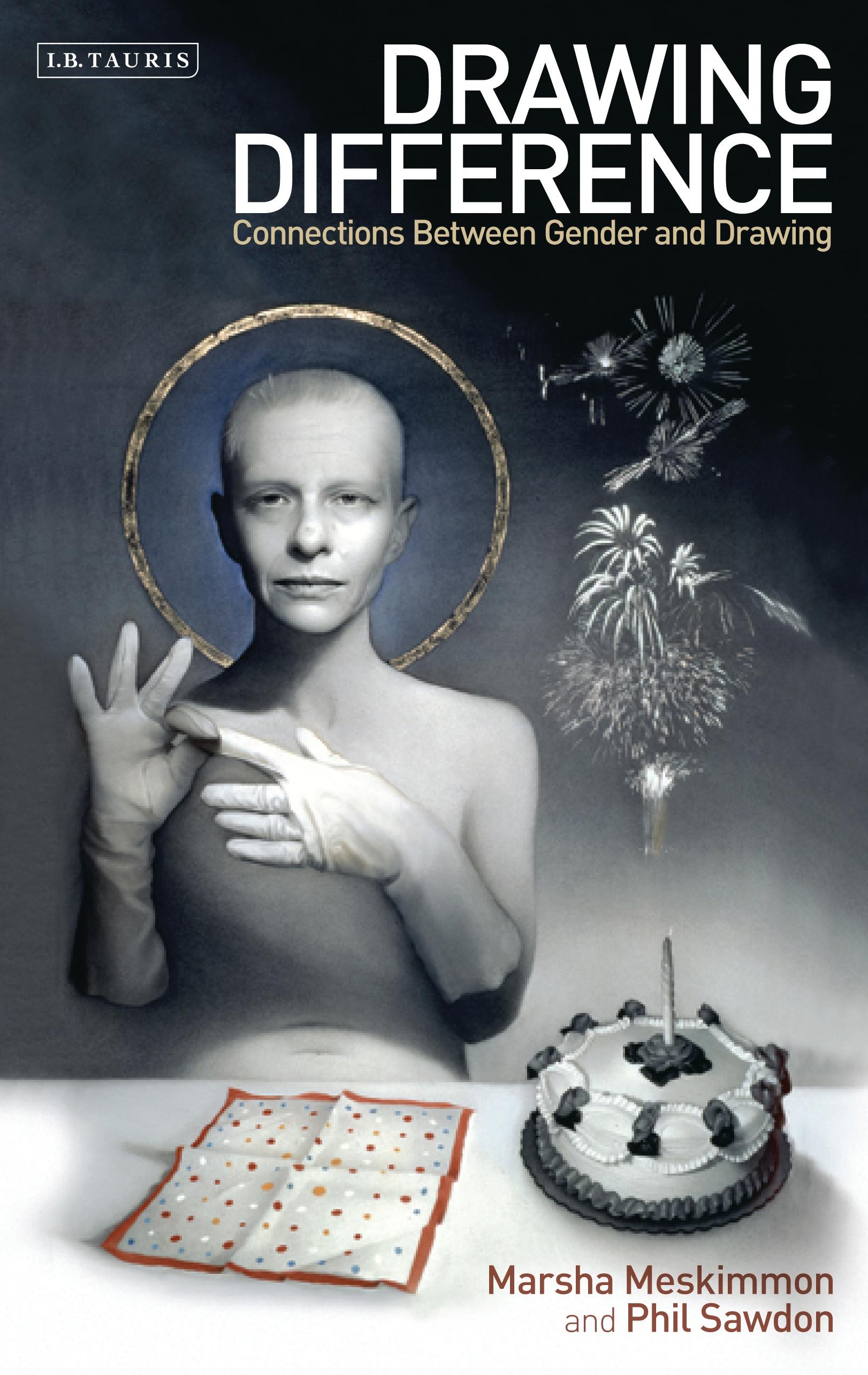
Drawing has been growing in recognition and stature within contemporary fine art since the mid-1970s. Simultaneously, feminist activism has been widespread, leading to the increased prominence of women artists, scholars, critics and curators and the wide acknowledgement of the crucial role played by gender and sexual difference in constituting the subject. Drawing Difference argues that these developments did not occur in parallel simply by coincidence. Rather, the intimate interplay between drawing and feminism is best characterised as allotropic a term originating in chemistry that describes a single pure element which nevertheless assumes varied physical structures, denoting the fundamental affinities which underlie apparently differing material forms. The book takes as its starting point three works from the 1970s by Annette Messager, Dorothea Rockburne and Carolee Schneeman, that are used to exemplify critical developments in feminist art history and key moments for drawing as a means of expression.
Throughout the chapters, these works are further explored in relation to the contemporary drawing practices of Marco Maggi, Sian Bowen, Susan Hauptmann, Cornelia Parker, Christoph Fink and Toba Kheedori. Their works are shown to be (re)iterative sites where mark-making differs with each appearance yet retains certain essential features. Dividing its analysis into the themes Approaching, Tropes and Coinciding, the book analyses how both drawing and feminist discourse emphasise dialogue, matter and openness. It demonstrates how sexual difference, subjectivity and drawing are connected at an elemental level and thus how drawing has played a vital role in the articulation of the material and conceptual dynamics of feminism."
Throughout the chapters, these works are further explored in relation to the contemporary drawing practices of Marco Maggi, Sian Bowen, Susan Hauptmann, Cornelia Parker, Christoph Fink and Toba Kheedori. Their works are shown to be (re)iterative sites where mark-making differs with each appearance yet retains certain essential features. Dividing its analysis into the themes Approaching, Tropes and Coinciding, the book analyses how both drawing and feminist discourse emphasise dialogue, matter and openness. It demonstrates how sexual difference, subjectivity and drawing are connected at an elemental level and thus how drawing has played a vital role in the articulation of the material and conceptual dynamics of feminism."
Zahle einfach mit Karte, Klarna, Apple Pay oder Google Pay. Nicht zufrieden? Du hast immer ein 14-tägiges Widerrufsrecht. Lies mehr in unseren AGB. Hast du Fragen, schreib uns eine E-Mail an hello@memmo.org.
Memmo macht das Lernen einfacher – wo auch immer du bist. Bei uns findest du deine Kursbücher und smarte Lerntools an einem Ort: Zusammenfassungen, Quizzes, Podcasts und Lernkarten. Und Ted, dein Lernbuddy, beantwortet alles, was du wissen möchtest. Über 50.000 Studierende lernen bereits hier – gemacht, damit du schneller lernst und weniger Stress hast.