
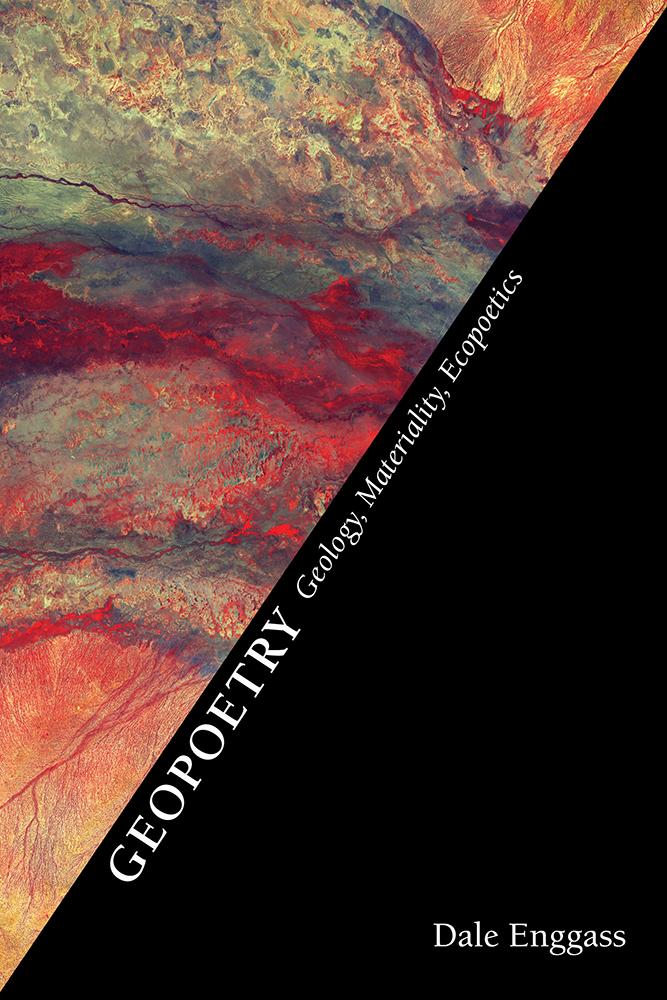
At its core, geopoetics proposes that a connection between language and geology has become a significant development in post–World War II poetics. In Geopoetry, Dale Enggass argues that certain literary works enact geologic processes, such as erosion and deposition, and thereby suggest that language itself is a geologic––and not a solely human-based––process. Elements of language extend past human control and open onto an inhuman dimension, which raises the question of how literary works approach the representation of nonhuman realms. Enggass examines the work of Clark Coolidge, Robert Smithson, Ed Dorn, Maggie O’Sullivan, Jeremy Prynne, Jen Bervin, Christian Bök, and Steve McCaffery, and he finds that while many of these authors are not traditionally connected to ecocritical writing, their innovations are central to ecocritical concerns. In treating language as a geological material, these authors interrogate the boundary between human and nonhuman realms and offer a model for a complex literary engagement with the Anthropocene.
Zahle einfach mit Karte, Klarna, Apple Pay oder Google Pay. Nicht zufrieden? Du hast immer ein 14-tägiges Widerrufsrecht. Lies mehr in unseren AGB. Hast du Fragen, schreib uns eine E-Mail an hello@memmo.org.
Memmo macht das Lernen einfacher – wo auch immer du bist. Bei uns findest du deine Kursbücher und smarte Lerntools an einem Ort: Zusammenfassungen, Quizzes, Podcasts und Lernkarten. Und Ted, dein Lernbuddy, beantwortet alles, was du wissen möchtest. Über 50.000 Studierende lernen bereits hier – gemacht, damit du schneller lernst und weniger Stress hast.