
Photographs by Charlee Brodsky
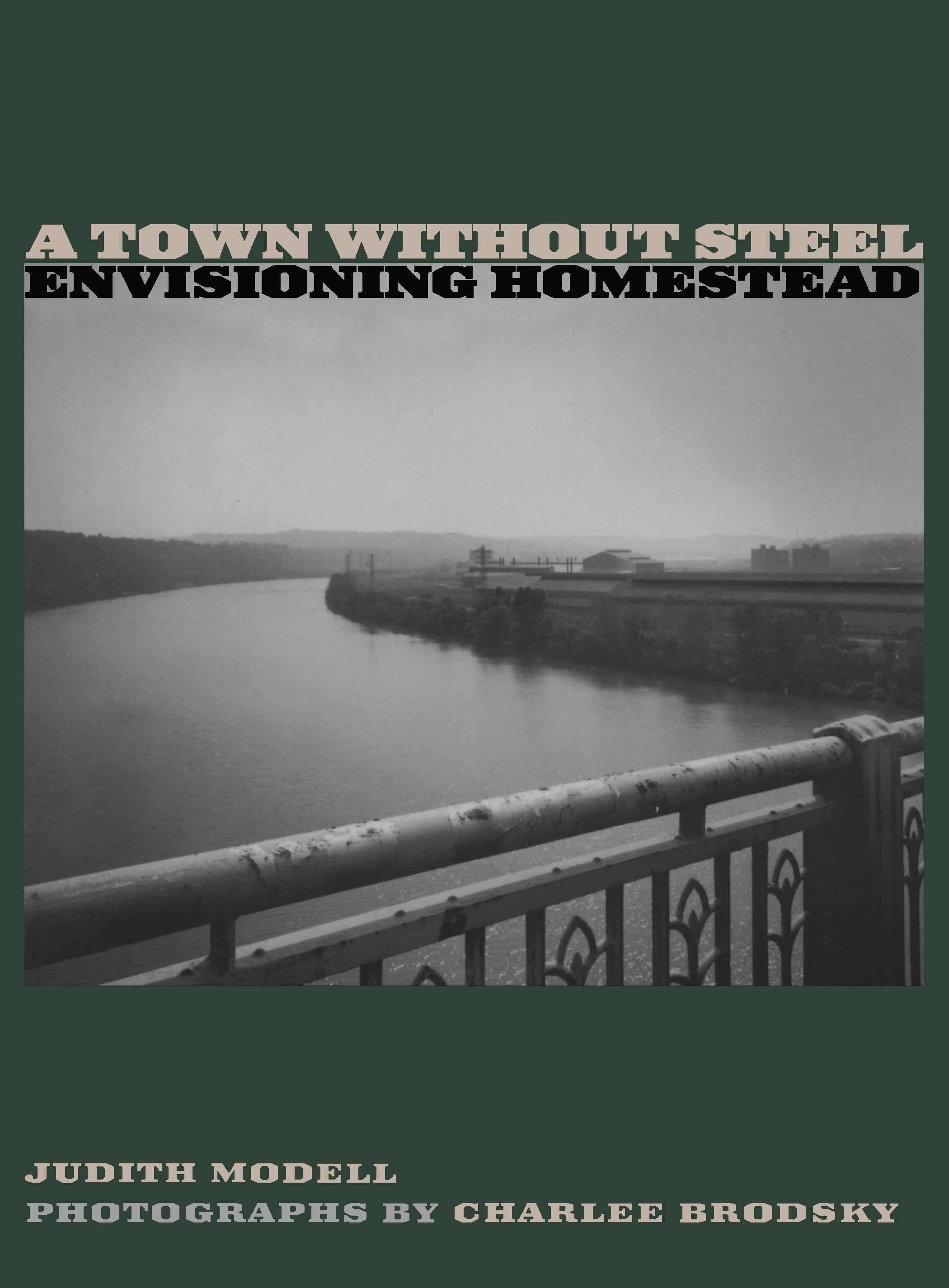
In 1986, with little warning, the USX Homestead Works closed. Thousands of workers who depended on steel to survive were left without work. A Town Without Steel looks at the people of Homestead as they reinvent their views of household and work and place in this world. The book details the modifications and revisions of domestic strategies in a public crisis. In some ways unique, and in some ways typical of American industrial towns, the plight of Homestead sheds light on social, cultural, and political developments of the late twentieth century. In this anthropological and photographic account of a town facing the crisis of deindustrialization, A Town Without Steel focuses on families. Reminiscent of Margaret Byington and Lewis Hine's approach in Homestead, Charlee Brodsky's photographs document the visual dimension of change in Homestead. The mill that dominated the landscape transformed to a vast, empty lot; a crowded commercial street turns into a ghost town; and an abundance of well-kept homes become an abandoned street of houses for sale. The individual narratives and family snapshots, Modell's interpretations, and Brodsky's photographs all evoke the tragedy and the resilience of a town whose primary source of self-identification no longer exists.
In 1986, with little warning, the USX Homestead Works closed. Thousands of workers who depended on steel to survive were left without work. A Town Without Steel looks at the people of Homestead as they reinvent their views of household and work and place in this world. The book details the modifications and revisions of domestic strategies in a public crisis. In some ways unique, and in some ways typical of American industrial towns, the plight of Homestead sheds light on social, cultural, and political developments of the late twentieth century. In this anthropological and photographic account of a town facing the crisis of deindustrialization, A Town Without Steel focuses on families. Reminiscent of Margaret Byington and Lewis Hine's approach in Homestead, Charlee Brodsky's photographs document the visual dimension of change in Homestead. The mill that dominated the landscape transformed to a vast, empty lot; a crowded commercial street turns into a ghost town; and an abundance of well-kept homes become an abandoned street of houses for sale. The individual narratives and family snapshots, Modell's interpretations, and Brodsky's photographs all evoke the tragedy and the resilience of a town whose primary source of self-identification no longer exists.
Kategorie: Sociologi
e-ISBN: 9780822980865
Zahle einfach mit Karte, Klarna, Apple Pay oder Google Pay. Nicht zufrieden? Du hast immer ein 14-tägiges Widerrufsrecht. Lies mehr in unseren AGB. Hast du Fragen, schreib uns eine E-Mail an hello@memmo.org.
Memmo macht das Lernen einfacher – wo auch immer du bist. Bei uns findest du deine Kursbücher und smarte Lerntools an einem Ort: Zusammenfassungen, Quizzes, Podcasts und Lernkarten. Und Ted, dein Lernbuddy, beantwortet alles, was du wissen möchtest. Über 50.000 Studierende lernen bereits hier – gemacht, damit du schneller lernst und weniger Stress hast.
Das könnte dir auch gefallen
Buch kaufen0