
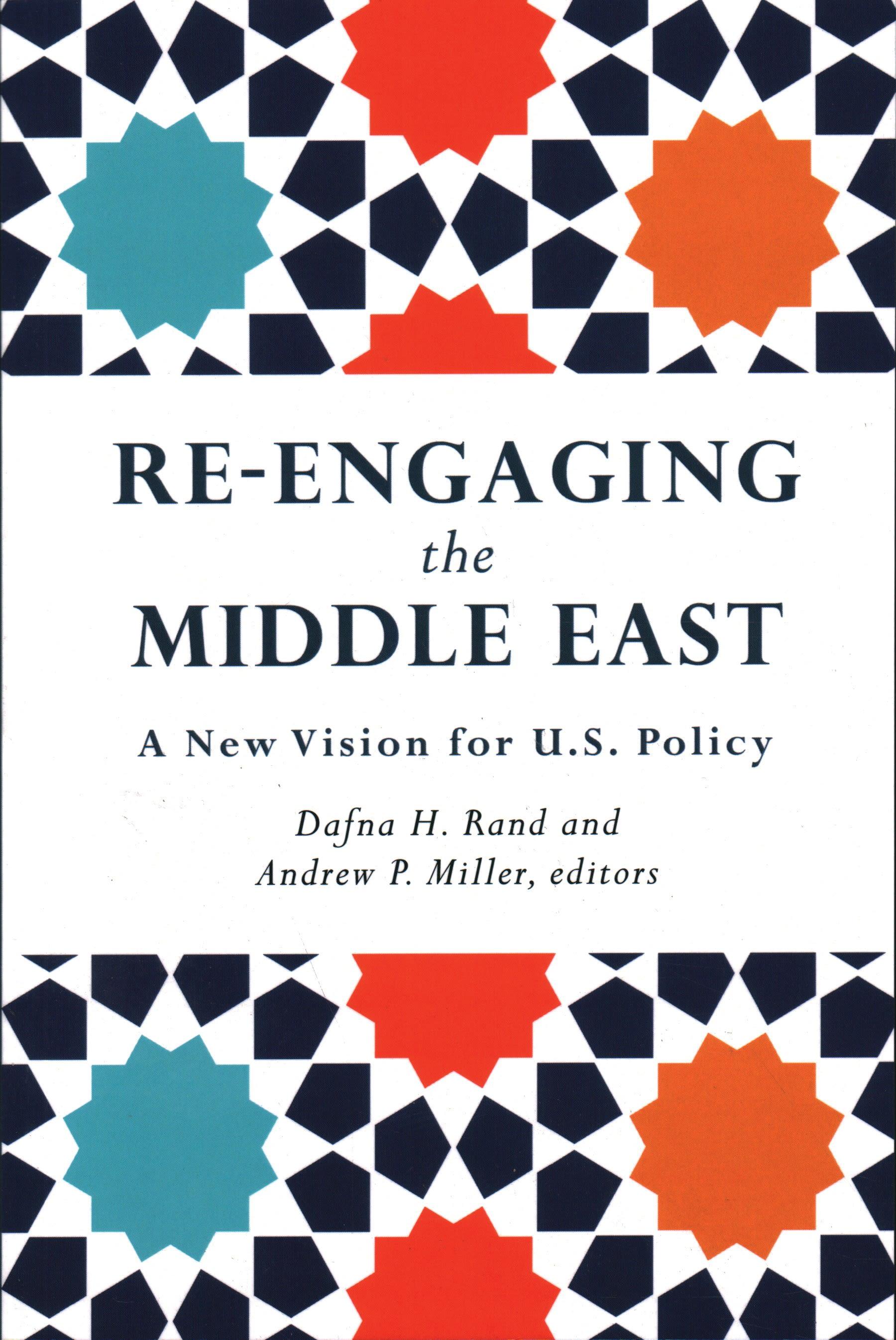
It's time for new policies based on changing U.S. interests
U.S. policy in the Middle East has had very few successes in recent years, so maybe it's time for a different approach. But is the new approach of the Trump administrationmilitary disengagement coupled with unquestioning support for key allies--Israel, Egypt, and Saudi Arabiathe way forward?
In this edited volume, noted experts on the region lay out a better long-term strategy for protecting U.S. interests in the Middle East. The authors articulate a vision that is both self-interested and carefully tailored to the unique dynamics of the increasingly divergent sub-regions in the Middle East, including North Africa, the Sunni Arab bloc of Egypt and Persian Gulf states, and the increasingly chaotic Levant.
The book argues that the most effective way to pursue and protect U.S. interests is unlikely to involve the same alliance-centric approach that has been the basis of Washington's policy since the 1990s. Instead, the United States should adopt a nimbler and less military-dominant strategy that relies on a diversified set of partners and a determination to establish priorities for American interests and the use of resources, both financial and military.
In essence, the book calls for a new post-Obama and post-Trump approach to the region that reflects the fact that U.S. interests are changing and likely will continue to change. The book offers a fresh perspective in advance of the 2020 presidential election.
U.S. policy in the Middle East has had very few successes in recent years, so maybe it's time for a different approach. But is the new approach of the Trump administrationmilitary disengagement coupled with unquestioning support for key allies--Israel, Egypt, and Saudi Arabiathe way forward?
In this edited volume, noted experts on the region lay out a better long-term strategy for protecting U.S. interests in the Middle East. The authors articulate a vision that is both self-interested and carefully tailored to the unique dynamics of the increasingly divergent sub-regions in the Middle East, including North Africa, the Sunni Arab bloc of Egypt and Persian Gulf states, and the increasingly chaotic Levant.
The book argues that the most effective way to pursue and protect U.S. interests is unlikely to involve the same alliance-centric approach that has been the basis of Washington's policy since the 1990s. Instead, the United States should adopt a nimbler and less military-dominant strategy that relies on a diversified set of partners and a determination to establish priorities for American interests and the use of resources, both financial and military.
In essence, the book calls for a new post-Obama and post-Trump approach to the region that reflects the fact that U.S. interests are changing and likely will continue to change. The book offers a fresh perspective in advance of the 2020 presidential election.
Seiten: 330
Kategorie: Statsvetenskap & Politik
e-ISBN: 9780815737629
Versandgewicht: 1.2 kg
Versand in: 1-2 Tage
Zahle einfach mit Karte, Klarna, Apple Pay oder Google Pay. Nicht zufrieden? Du hast immer ein 14-tägiges Widerrufsrecht. Lies mehr in unseren AGB. Hast du Fragen, schreib uns eine E-Mail an hello@memmo.org.
Memmo macht das Lernen einfacher – wo auch immer du bist. Bei uns findest du deine Kursbücher und smarte Lerntools an einem Ort: Zusammenfassungen, Quizzes, Podcasts und Lernkarten. Und Ted, dein Lernbuddy, beantwortet alles, was du wissen möchtest. Über 50.000 Studierende lernen bereits hier – gemacht, damit du schneller lernst und weniger Stress hast.