
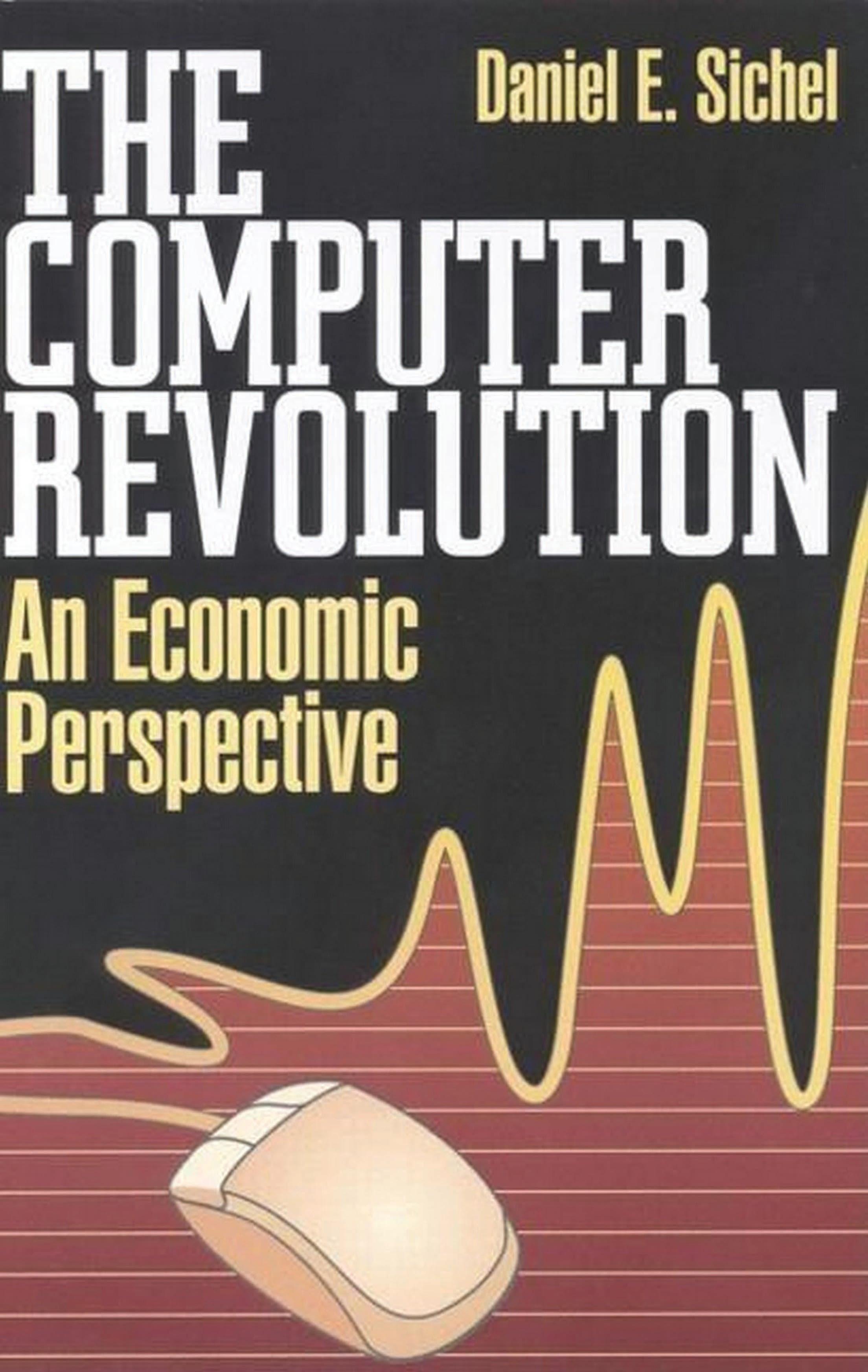
During the 1980s and into this decade, U.S. businesses poured billions of dollars into computers and other information technology. Yet the productivity performance of the U.S. economy in the 1980s remained lackluster--especially in the service sector--leading many observers to suspect that companies were not getting their money's worth from these high-tech investments. At the same time, academic research found little evidence of a productivity payoff. But have the tables now turned? With an apparent improvement in productivity in recent years, much academic and popular opinion now suggests that the payback is at hand or just around the corner.
As the nation embarks on a major effort to develop an Information Superhighway, it is critical for policymakers, opinion leaders, and others to understand the contribution and role of information technology in the economy during recent decades. This book provides a straightforward guide to the economic issues underlying the debates about these issues, using quantitative and historical analysis, supplemented with interviews of small and large service-sector companies.
To set the stage, Daniel Sichel reviews the debates over the role of computers and summarizes the essential facts about computer use, with a particular emphasis on software. Going beyond basic facts, Sichel describes an economic framework for assessing the aggregate economic impact of computers in recent decades and for looking ahead at this impact in the future. Quantitative estimates from this framework, along with supporting historical and interview evidence, place limits on the contribution of computers to the overall economy. When compared to the size of the slowdown in productivity growth in the early 1970s, the overall impact of computers appears relatively modest, in part because the share of computers in the nation's capital stock is surprisingly small. Looking ahead, Sichel also raises questions as to whether computers are likely to solve the nation's productivity woes in the future.
As the nation embarks on a major effort to develop an Information Superhighway, it is critical for policymakers, opinion leaders, and others to understand the contribution and role of information technology in the economy during recent decades. This book provides a straightforward guide to the economic issues underlying the debates about these issues, using quantitative and historical analysis, supplemented with interviews of small and large service-sector companies.
To set the stage, Daniel Sichel reviews the debates over the role of computers and summarizes the essential facts about computer use, with a particular emphasis on software. Going beyond basic facts, Sichel describes an economic framework for assessing the aggregate economic impact of computers in recent decades and for looking ahead at this impact in the future. Quantitative estimates from this framework, along with supporting historical and interview evidence, place limits on the contribution of computers to the overall economy. When compared to the size of the slowdown in productivity growth in the early 1970s, the overall impact of computers appears relatively modest, in part because the share of computers in the nation's capital stock is surprisingly small. Looking ahead, Sichel also raises questions as to whether computers are likely to solve the nation's productivity woes in the future.
Seiten: 152
Kategorie: Ekonomi & Utveckling
e-ISBN: 9780815723530
Versandgewicht: 1.2 kg
Versand in: 1-2 Tage
Zahle einfach mit Karte, Klarna, Apple Pay oder Google Pay. Nicht zufrieden? Du hast immer ein 14-tägiges Widerrufsrecht. Lies mehr in unseren AGB. Hast du Fragen, schreib uns eine E-Mail an hello@memmo.org.
Memmo macht das Lernen einfacher – wo auch immer du bist. Bei uns findest du deine Kursbücher und smarte Lerntools an einem Ort: Zusammenfassungen, Quizzes, Podcasts und Lernkarten. Und Ted, dein Lernbuddy, beantwortet alles, was du wissen möchtest. Über 50.000 Studierende lernen bereits hier – gemacht, damit du schneller lernst und weniger Stress hast.