
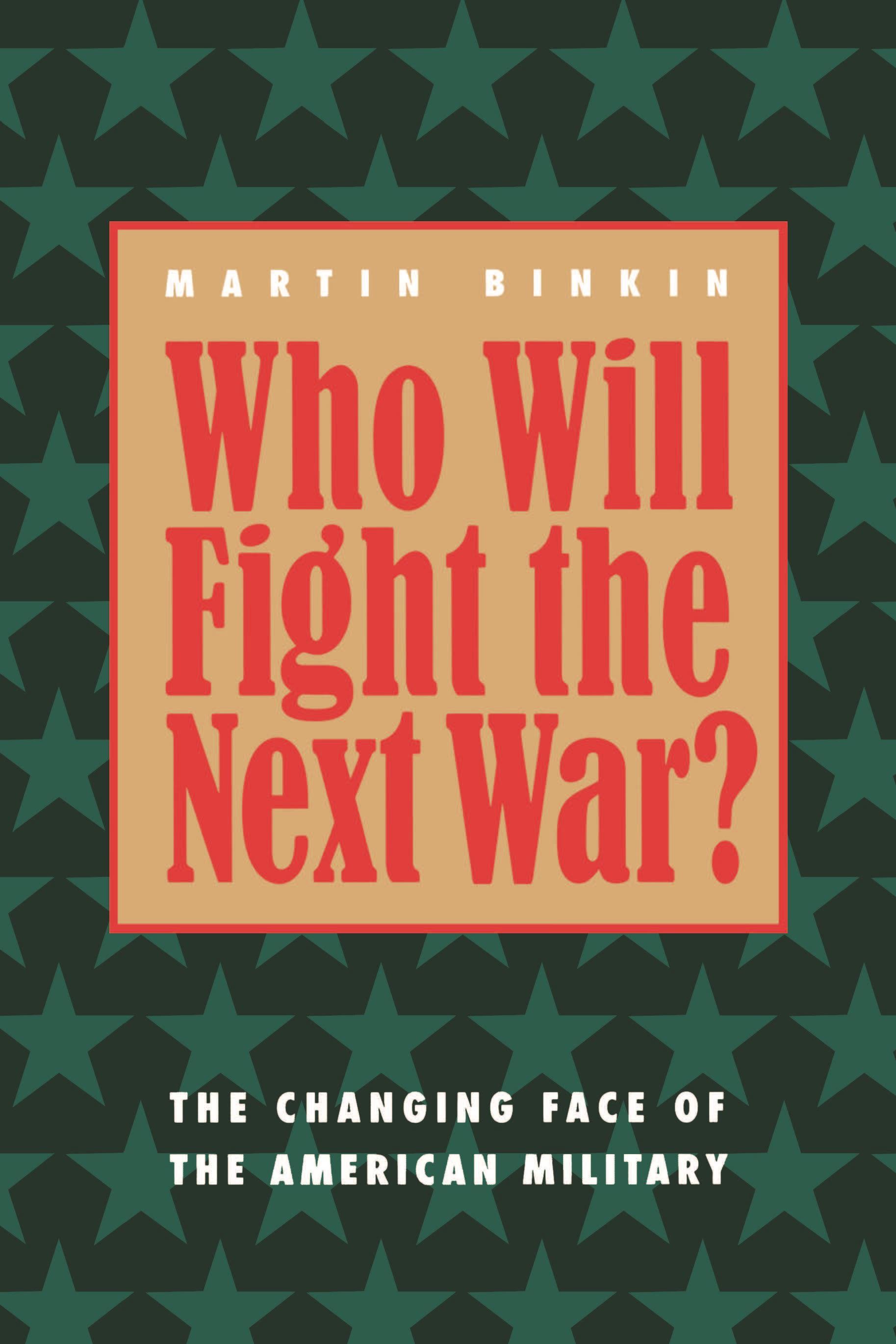
The Persian Gulf conflict was the first major combat test for U.S. military forces since the nation ended conscription two decades ago. As hundreds of thousands of American troops were dispatched to the Middle East, the nation realized, seemingly for the first time, that the composition of its armed forces was far removed from any that the nation had previously sent to war.
The deployment of unprecedented proportions of minorities and women and the prominent role of reserves and national guard troops aroused considerable interest, widespread debate, and some worry. The prospect that African Americans could bear a disproportionate share of military casualties generated a socially diverse debate that threatened to reopen old racial scars; the reality that American women were exposed to perils from which, by long and deep tradition, they had previously been shielded inspired calls for them to be admitted to combat specialties; and controversy surrounding the readiness of the Army's combat reserves led to an internecine struggle over the future shape of the U.S. Army.
In this book, Martin Binkin addresses each of these issues in order to provide a better understanding of the composition of America's fighting forces, to prompt an assessment of attitudes toward who should fight in future wars, and to delineate the choices for influencing the social distribution of peril. Binkin argues that the time for public involvement is now, while the memories of the Persian Gulf conflict are still reasonably fresh and while a fundamental rethinking of the post-cold war military is under way.
The deployment of unprecedented proportions of minorities and women and the prominent role of reserves and national guard troops aroused considerable interest, widespread debate, and some worry. The prospect that African Americans could bear a disproportionate share of military casualties generated a socially diverse debate that threatened to reopen old racial scars; the reality that American women were exposed to perils from which, by long and deep tradition, they had previously been shielded inspired calls for them to be admitted to combat specialties; and controversy surrounding the readiness of the Army's combat reserves led to an internecine struggle over the future shape of the U.S. Army.
In this book, Martin Binkin addresses each of these issues in order to provide a better understanding of the composition of America's fighting forces, to prompt an assessment of attitudes toward who should fight in future wars, and to delineate the choices for influencing the social distribution of peril. Binkin argues that the time for public involvement is now, while the memories of the Persian Gulf conflict are still reasonably fresh and while a fundamental rethinking of the post-cold war military is under way.
Seiten: 192
Kategorie: Statsvetenskap & Politik
e-ISBN: 9780815719496
Versandgewicht: 1.2 kg
Versand in: 1-2 Tage
Zahle einfach mit Karte, Klarna, Apple Pay oder Google Pay. Nicht zufrieden? Du hast immer ein 14-tägiges Widerrufsrecht. Lies mehr in unseren AGB. Hast du Fragen, schreib uns eine E-Mail an hello@memmo.org.
Memmo macht das Lernen einfacher – wo auch immer du bist. Bei uns findest du deine Kursbücher und smarte Lerntools an einem Ort: Zusammenfassungen, Quizzes, Podcasts und Lernkarten. Und Ted, dein Lernbuddy, beantwortet alles, was du wissen möchtest. Über 50.000 Studierende lernen bereits hier – gemacht, damit du schneller lernst und weniger Stress hast.