
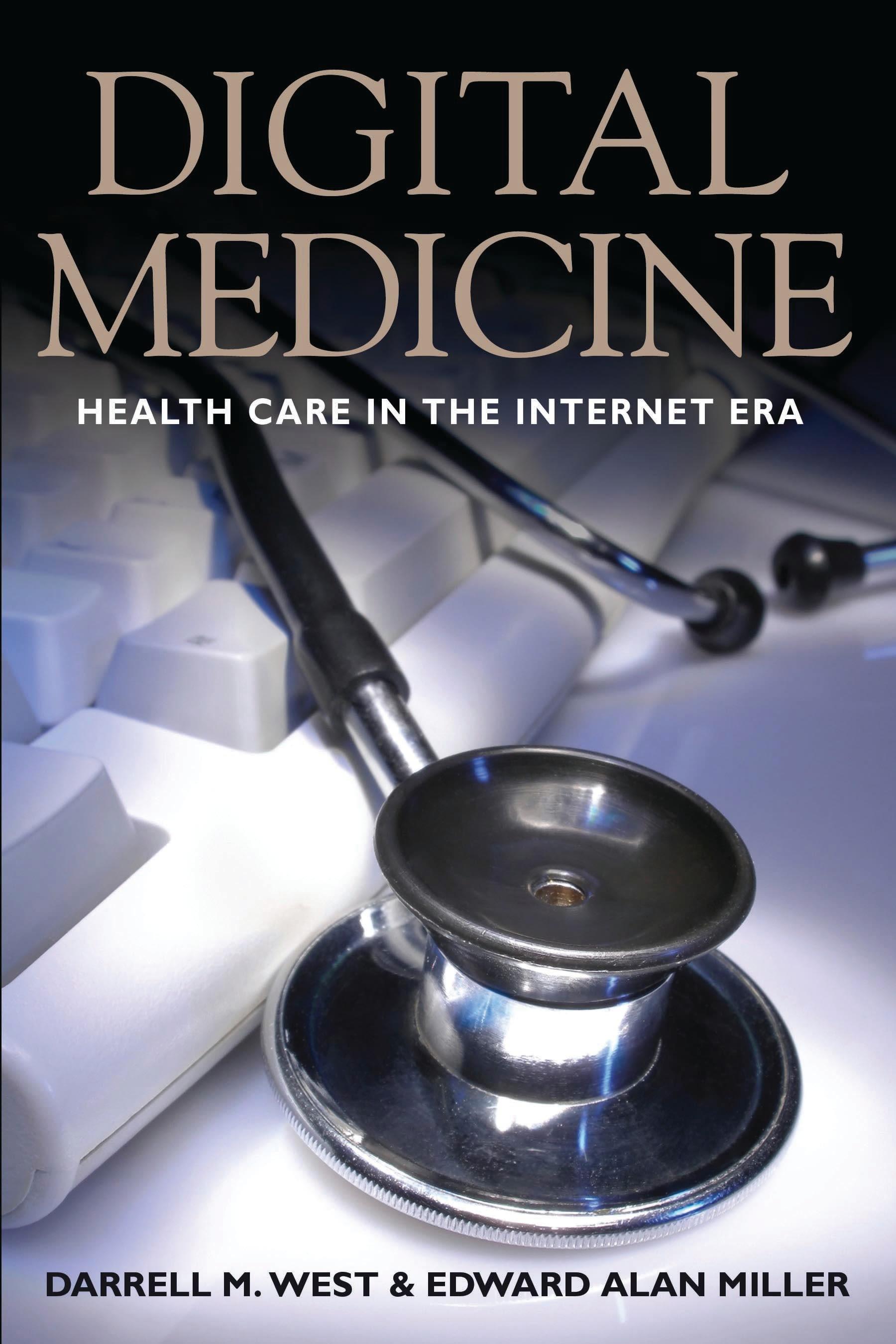
Information technology has dramatically changed our lives in areas ranging from commerce and entertainment to voting. Now, policy advocates and government officials hope to bring the benefits of enhanced information technology to health care. Already, consumers can access a tremendous amount of medical information online. Some physicians encourage patients to use email or web messaging to manage simple medical issues. Increasingly, health care products can be purchased electronically. Yet the promise of e-health remains largely unfulfilled.
Digital Medicine investigates the factors limiting digital technology's ability to remake health care. It explores the political, social, and ethical challenges presented by online health care, as well as the impact that racial, ethnic, and other disparities are having on the e-health revolution. It examines the accessibility of health-related websites for different populations and asks how we can close access gaps and ensure the reliability and trustworthiness of the information presented online.
Darrell West and Edward Miller use multiple sources, including original survey research and website analysis, to study the content, sponsorship status, and public usage of health care-related websites, as well as the relationship between e-health utilization and attitudes about health care in the United States. They also explore the use of health information technology in other countries. The result is an important contribution to our understanding of health information innovation in America and around the world.
Digital Medicine investigates the factors limiting digital technology's ability to remake health care. It explores the political, social, and ethical challenges presented by online health care, as well as the impact that racial, ethnic, and other disparities are having on the e-health revolution. It examines the accessibility of health-related websites for different populations and asks how we can close access gaps and ensure the reliability and trustworthiness of the information presented online.
Darrell West and Edward Miller use multiple sources, including original survey research and website analysis, to study the content, sponsorship status, and public usage of health care-related websites, as well as the relationship between e-health utilization and attitudes about health care in the United States. They also explore the use of health information technology in other countries. The result is an important contribution to our understanding of health information innovation in America and around the world.
Zahle einfach mit Karte, Klarna, Apple Pay oder Google Pay. Nicht zufrieden? Du hast immer ein 14-tägiges Widerrufsrecht. Lies mehr in unseren AGB. Hast du Fragen, schreib uns eine E-Mail an hello@memmo.org.
Memmo macht das Lernen einfacher – wo auch immer du bist. Bei uns findest du deine Kursbücher und smarte Lerntools an einem Ort: Zusammenfassungen, Quizzes, Podcasts und Lernkarten. Und Ted, dein Lernbuddy, beantwortet alles, was du wissen möchtest. Über 50.000 Studierende lernen bereits hier – gemacht, damit du schneller lernst und weniger Stress hast.