
Unraveling the surprising history of the concept of ecology
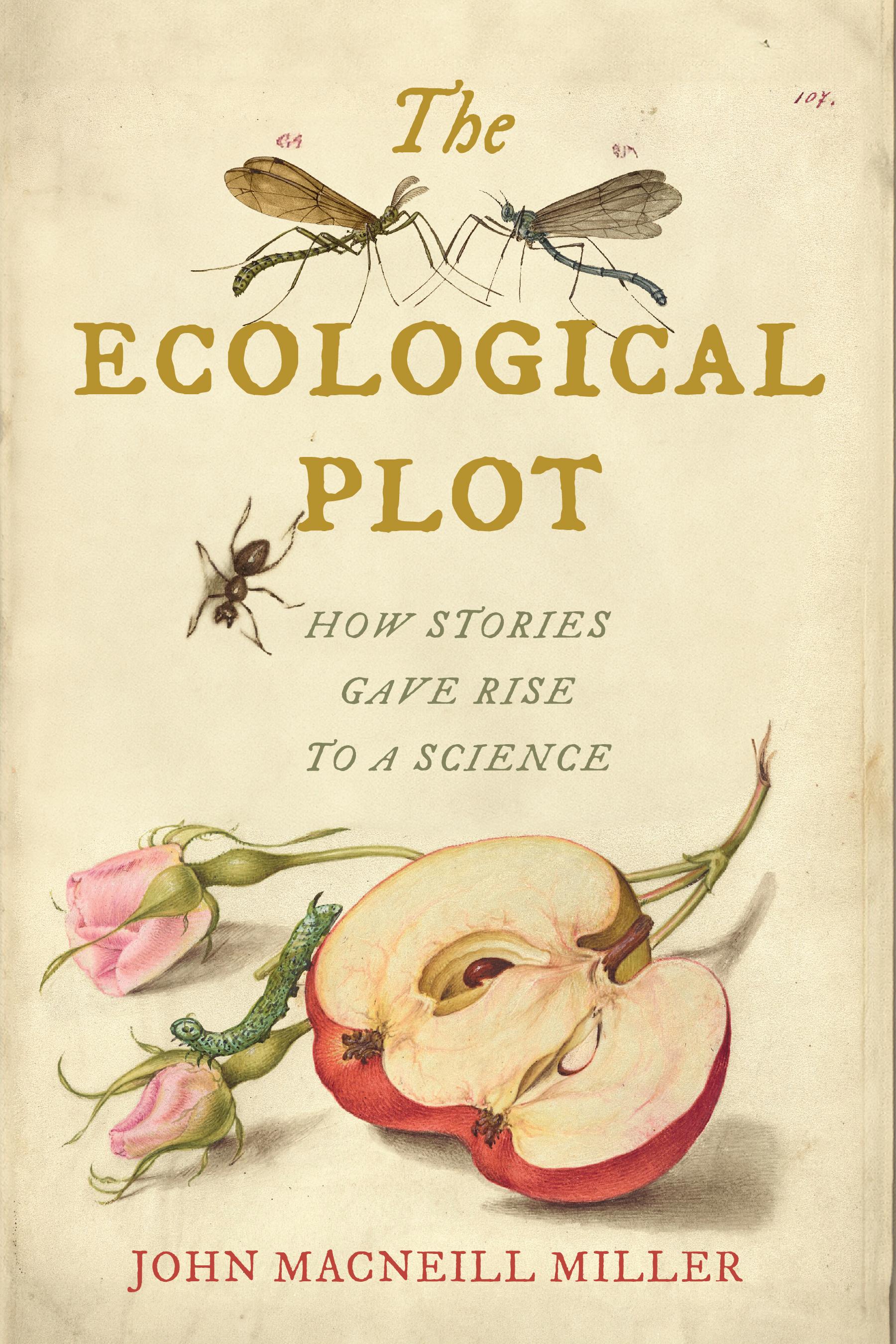
The Ecological Plot traces the roots of this most mainstream branch of science back to an unexpected source: narrative storytelling. Weaving together the histories of different disciplines, John MacNeill Miller shows how pioneering thinkers drew on a shared set of literary techniques to imagine how different species could work together as a single, interdependent community, redefining the way we conceptualize the natural world.
Beginning with a series of revolutionary exchanges between the political economist Thomas Robert Malthus, the writer Harriet Martineau, and the naturalist Charles Darwin, The Ecological Plot identifies the foundations of modern notions of ecology, economics, and realist fiction, maps how they evolved through the works of Victorian writers such as Elizabeth Gaskell, George Eliot, and Thomas Hardy, and shows how they resurfaced in the works of Aldo Leopold and Rachel Carson a century later.
Miller’s book reveals why our most sophisticated efforts to explain humanity’s relationship to nature have been segregated into different disciplines and makes an argument for the importance of bringing these separate ways of understanding the world back together as a crucial step toward solving the environmental, economic, and ethical problems of the present.
The Ecological Plot traces the roots of this most mainstream branch of science back to an unexpected source: narrative storytelling. Weaving together the histories of different disciplines, John MacNeill Miller shows how pioneering thinkers drew on a shared set of literary techniques to imagine how different species could work together as a single, interdependent community, redefining the way we conceptualize the natural world.
Beginning with a series of revolutionary exchanges between the political economist Thomas Robert Malthus, the writer Harriet Martineau, and the naturalist Charles Darwin, The Ecological Plot identifies the foundations of modern notions of ecology, economics, and realist fiction, maps how they evolved through the works of Victorian writers such as Elizabeth Gaskell, George Eliot, and Thomas Hardy, and shows how they resurfaced in the works of Aldo Leopold and Rachel Carson a century later.
Miller’s book reveals why our most sophisticated efforts to explain humanity’s relationship to nature have been segregated into different disciplines and makes an argument for the importance of bringing these separate ways of understanding the world back together as a crucial step toward solving the environmental, economic, and ethical problems of the present.
Zahle einfach mit Karte, Klarna, Apple Pay oder Google Pay. Nicht zufrieden? Du hast immer ein 14-tägiges Widerrufsrecht. Lies mehr in unseren AGB. Hast du Fragen, schreib uns eine E-Mail an hello@memmo.org.
Memmo macht das Lernen einfacher – wo auch immer du bist. Bei uns findest du deine Kursbücher und smarte Lerntools an einem Ort: Zusammenfassungen, Quizzes, Podcasts und Lernkarten. Und Ted, dein Lernbuddy, beantwortet alles, was du wissen möchtest. Über 50.000 Studierende lernen bereits hier – gemacht, damit du schneller lernst und weniger Stress hast.
Das könnte dir auch gefallen
Buch kaufen0