
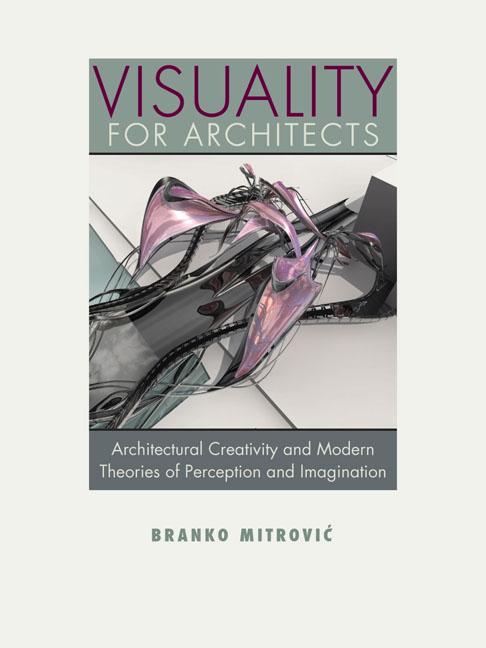
What is more important in architectural works—their form, shape, and color, or the meanings and symbolism that can be associated with them? Can aesthetic judgments of architecture be independent of the stories one can tell about buildings? Do non-architects perceive buildings in the same way as do architects?
For the greater part of the twentieth century it was common to respond to these and similar questions by relying on psychological theories asserting there is no innocent eye, that we think only in language, and that human visuality results from preexisting, conceptual knowledge. Dramatic breakthroughs in philosophy and psychology over the past two decades, however, have shown us that human visuality functions for the most part independently of conceptual thinking and language.
This book examines the ways in which new theories of human visuality create a different understanding of architectural design, practice, and education. This new understanding coincides with and supports formalist approaches to architecture that have become influential in recent years as a result of the digital revolution in architectural design.
Zahle einfach mit Karte, Klarna, Apple Pay oder Google Pay. Nicht zufrieden? Du hast immer ein 14-tägiges Widerrufsrecht. Lies mehr in unseren AGB. Hast du Fragen, schreib uns eine E-Mail an hello@memmo.org.
Memmo macht das Lernen einfacher – wo auch immer du bist. Bei uns findest du deine Kursbücher und smarte Lerntools an einem Ort: Zusammenfassungen, Quizzes, Podcasts und Lernkarten. Und Ted, dein Lernbuddy, beantwortet alles, was du wissen möchtest. Über 50.000 Studierende lernen bereits hier – gemacht, damit du schneller lernst und weniger Stress hast.