
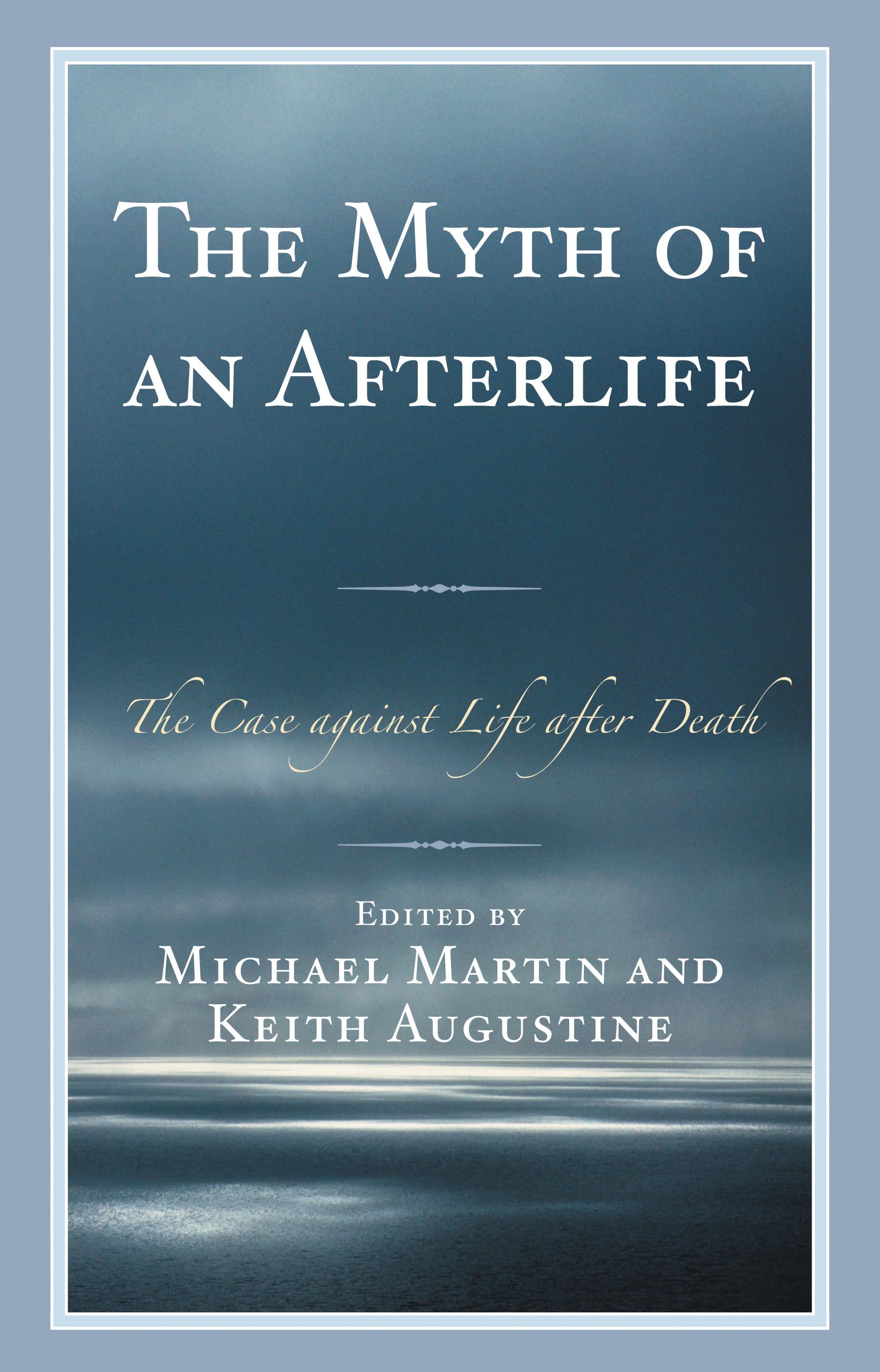
Because every single one of us will die, most of us would like to know what—if anything—awaits us afterward, not to mention the fate of lost loved ones. Given the nearly universal vested interest in deciding this question in favor of an afterlife, it is no surprise that the vast majority of books on the topic affirm the reality of life after death without a backward glance. But the evidence of our senses and the ever-gaining strength of scientific evidence strongly suggest otherwise.
In The Myth of an Afterlife: The Case against Life after Death, Michael Martin and Keith Augustine collect a series of contributions that redress this imbalance in the literature by providing a strong, comprehensive, and up-to-date casebook of the chief arguments against an afterlife. Divided into four separate sections, this collection opens with a broad overview of the issues, as contributors consider the strongest evidence of whether or not we survive death—in particular the biological basis of all mental states and their grounding in brain activity that ceases to function at death. Next, contributors consider a host of conceptual and empirical difficulties that confront the various ways of “surviving” death—from bodiless minds to bodily resurrection to any form of posthumous survival. Then essayists turn to internal inconsistencies between traditional theological conceptions of an afterlife—heaven, hell, karmic rebirth—and widely held ethical principles central to the belief systems supporting those notions. In the final section, authors offer critical evaluations of the main types of evidence for an afterlife.
Fully interdisciplinary, The Myth of an Afterlife: The Case against Life after Death brings together a variety of fields of research to make that case, including cognitiveneuroscience, philosophy of mind, personal identity, philosophy of religion, moralphilosophy, psychical research, and anomalistic psychology. As the definitive casebookof arguments against life after death, this collection is required reading for anyinstructor, researcher, and student of philosophy, religious studies, or theology. It issure to raise provocative issues new to readers, regardless of background, from thosewho believe fervently in the reality of an afterlife to those who do not or are undecidedon the matter.
In The Myth of an Afterlife: The Case against Life after Death, Michael Martin and Keith Augustine collect a series of contributions that redress this imbalance in the literature by providing a strong, comprehensive, and up-to-date casebook of the chief arguments against an afterlife. Divided into four separate sections, this collection opens with a broad overview of the issues, as contributors consider the strongest evidence of whether or not we survive death—in particular the biological basis of all mental states and their grounding in brain activity that ceases to function at death. Next, contributors consider a host of conceptual and empirical difficulties that confront the various ways of “surviving” death—from bodiless minds to bodily resurrection to any form of posthumous survival. Then essayists turn to internal inconsistencies between traditional theological conceptions of an afterlife—heaven, hell, karmic rebirth—and widely held ethical principles central to the belief systems supporting those notions. In the final section, authors offer critical evaluations of the main types of evidence for an afterlife.
Fully interdisciplinary, The Myth of an Afterlife: The Case against Life after Death brings together a variety of fields of research to make that case, including cognitiveneuroscience, philosophy of mind, personal identity, philosophy of religion, moralphilosophy, psychical research, and anomalistic psychology. As the definitive casebookof arguments against life after death, this collection is required reading for anyinstructor, researcher, and student of philosophy, religious studies, or theology. It issure to raise provocative issues new to readers, regardless of background, from thosewho believe fervently in the reality of an afterlife to those who do not or are undecidedon the matter.
Zahle einfach mit Karte, Klarna, Apple Pay oder Google Pay. Nicht zufrieden? Du hast immer ein 14-tägiges Widerrufsrecht. Lies mehr in unseren AGB. Hast du Fragen, schreib uns eine E-Mail an hello@memmo.org.
Memmo macht das Lernen einfacher – wo auch immer du bist. Bei uns findest du deine Kursbücher und smarte Lerntools an einem Ort: Zusammenfassungen, Quizzes, Podcasts und Lernkarten. Und Ted, dein Lernbuddy, beantwortet alles, was du wissen möchtest. Über 50.000 Studierende lernen bereits hier – gemacht, damit du schneller lernst und weniger Stress hast.